














































Fermentation Kit: Make Your Own Hot Sauce!
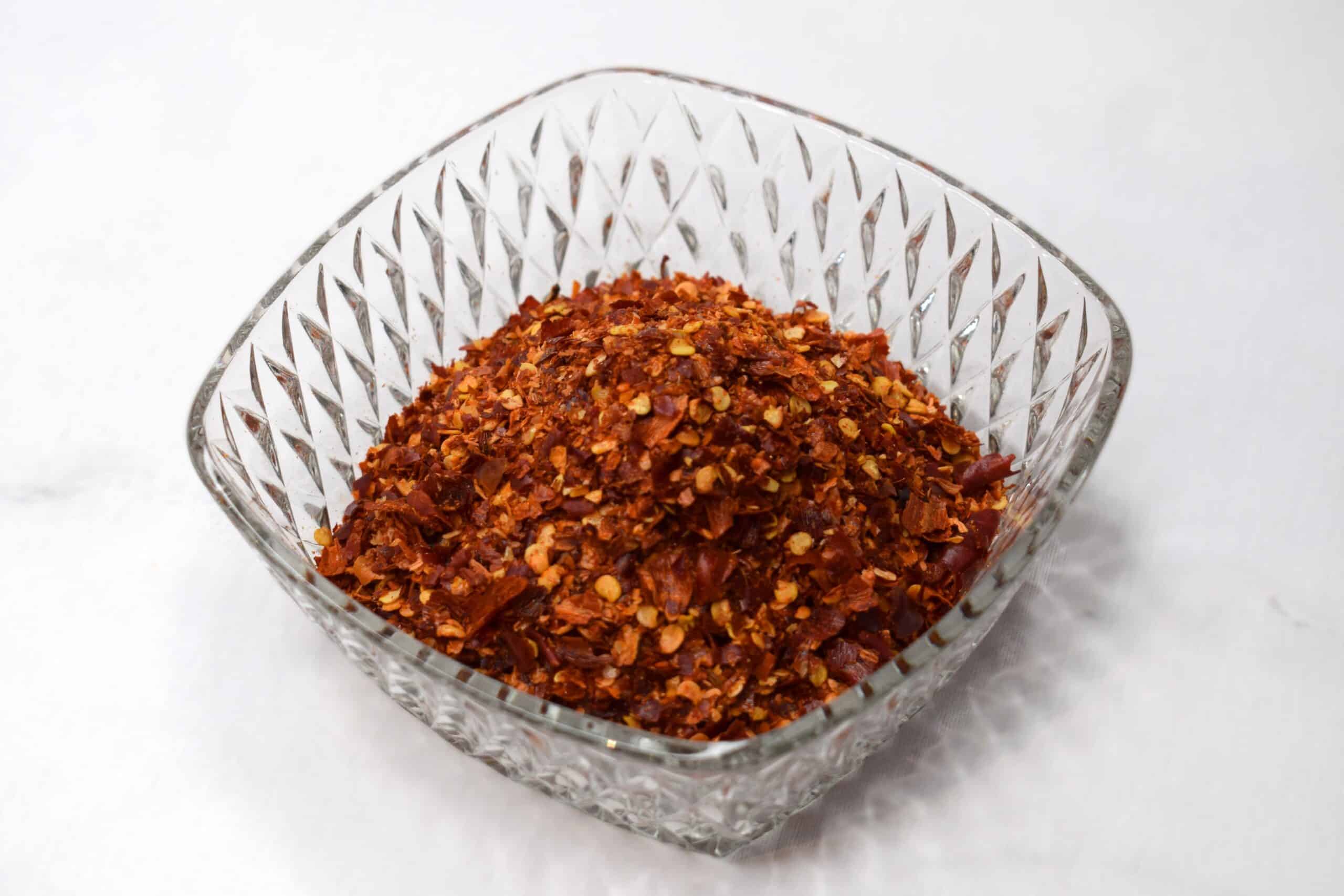
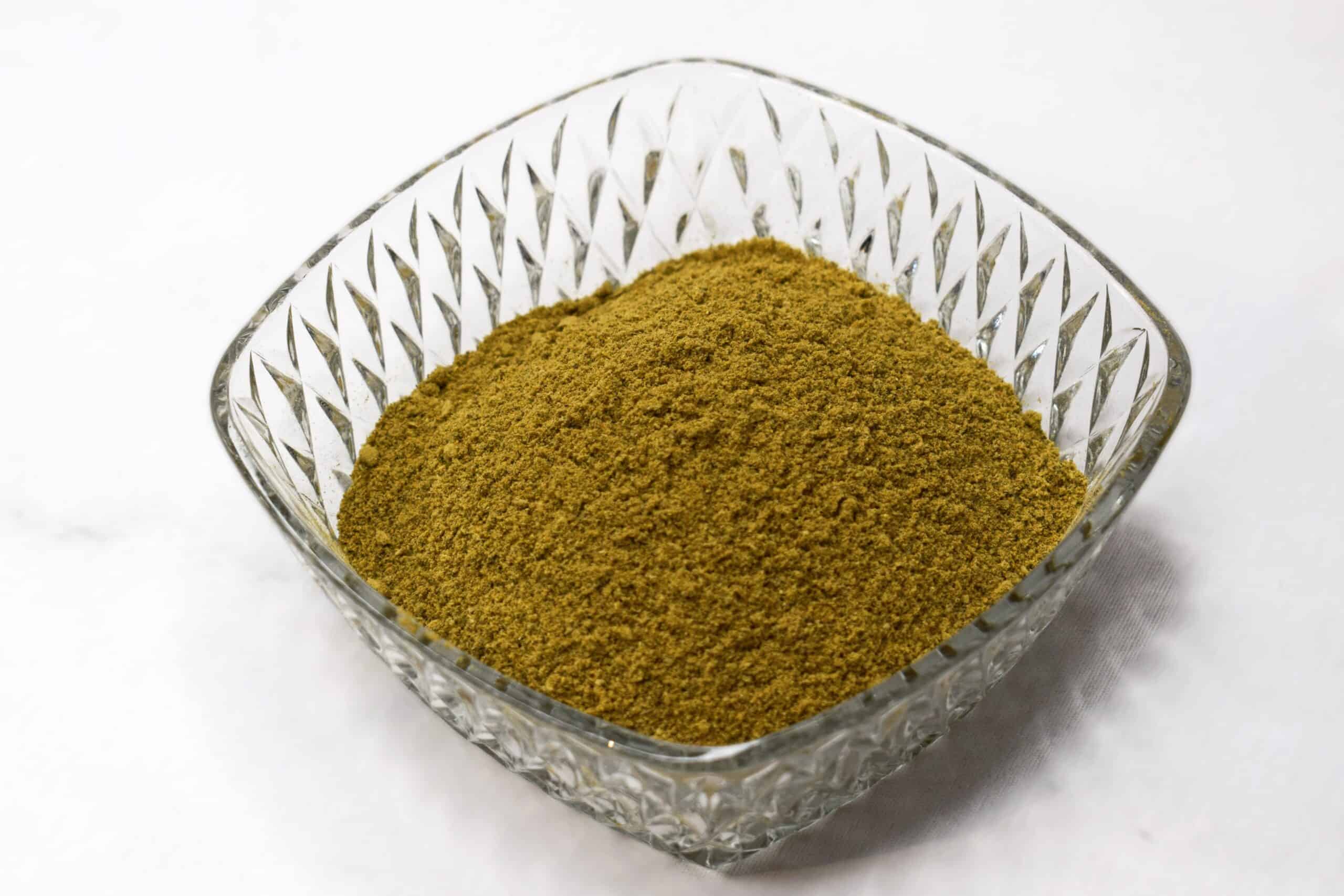
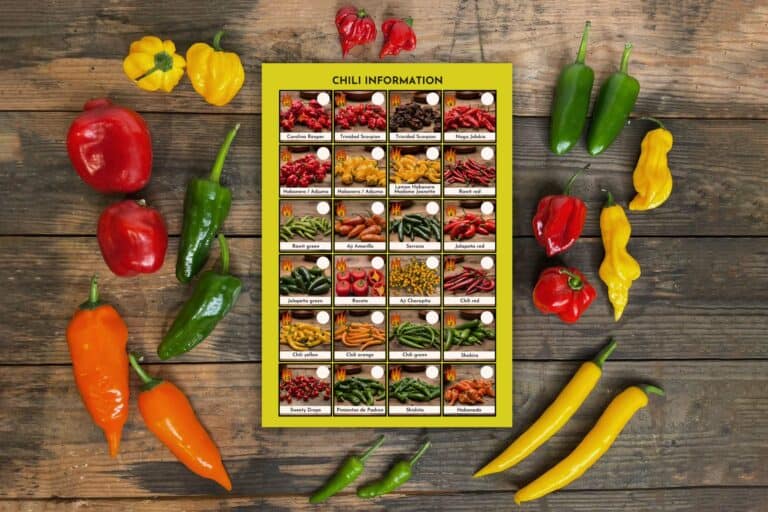
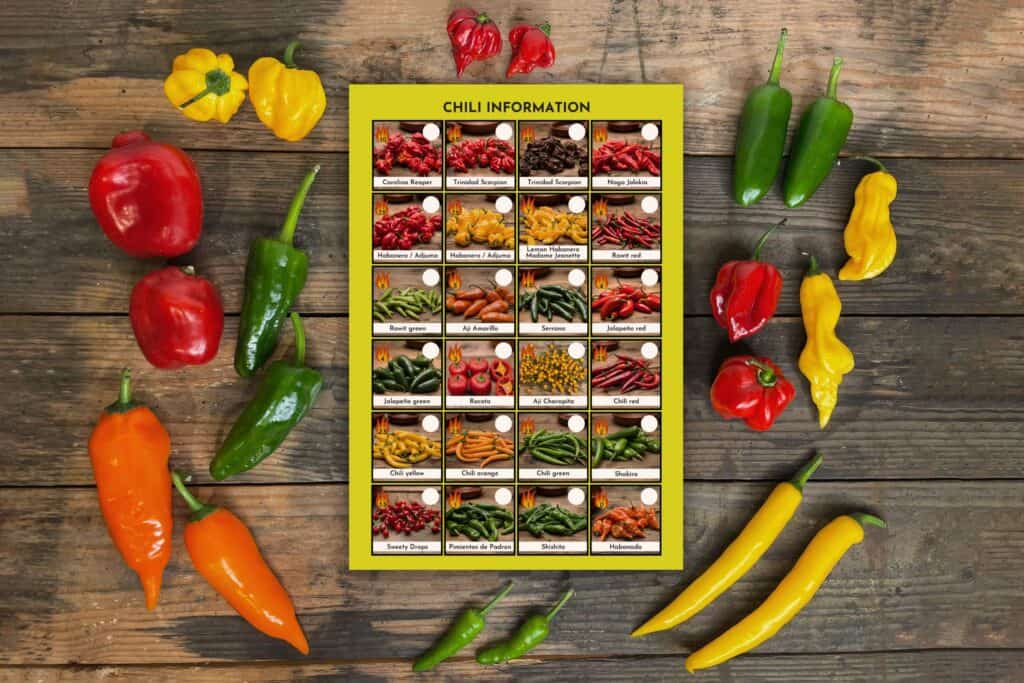
We've put together a fermentation kit so you can make your very own fermented hot sauce. Hard? Not at all! Check out our blog here for basic tips and watch our video for extra explanations.

Share:
Share:
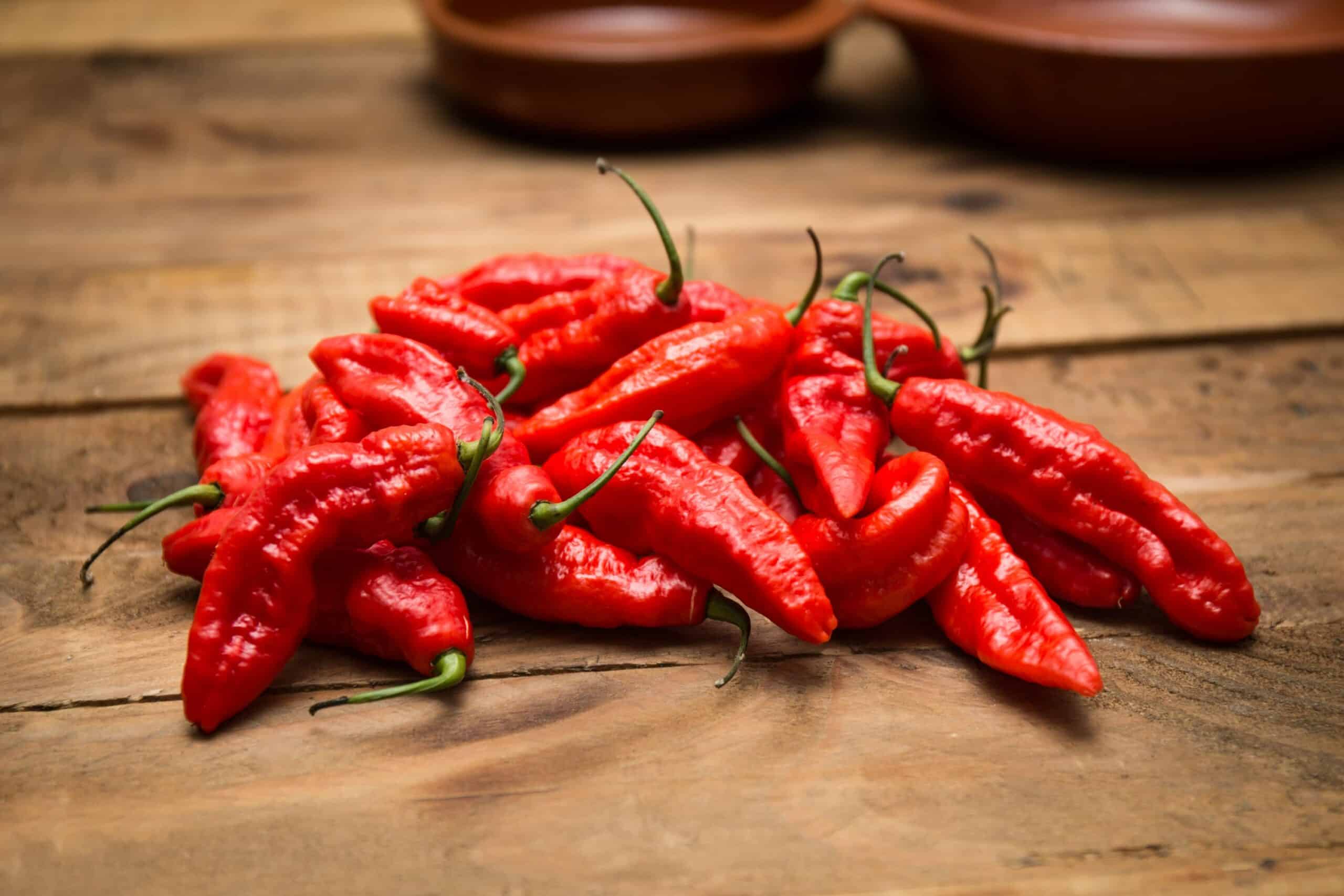
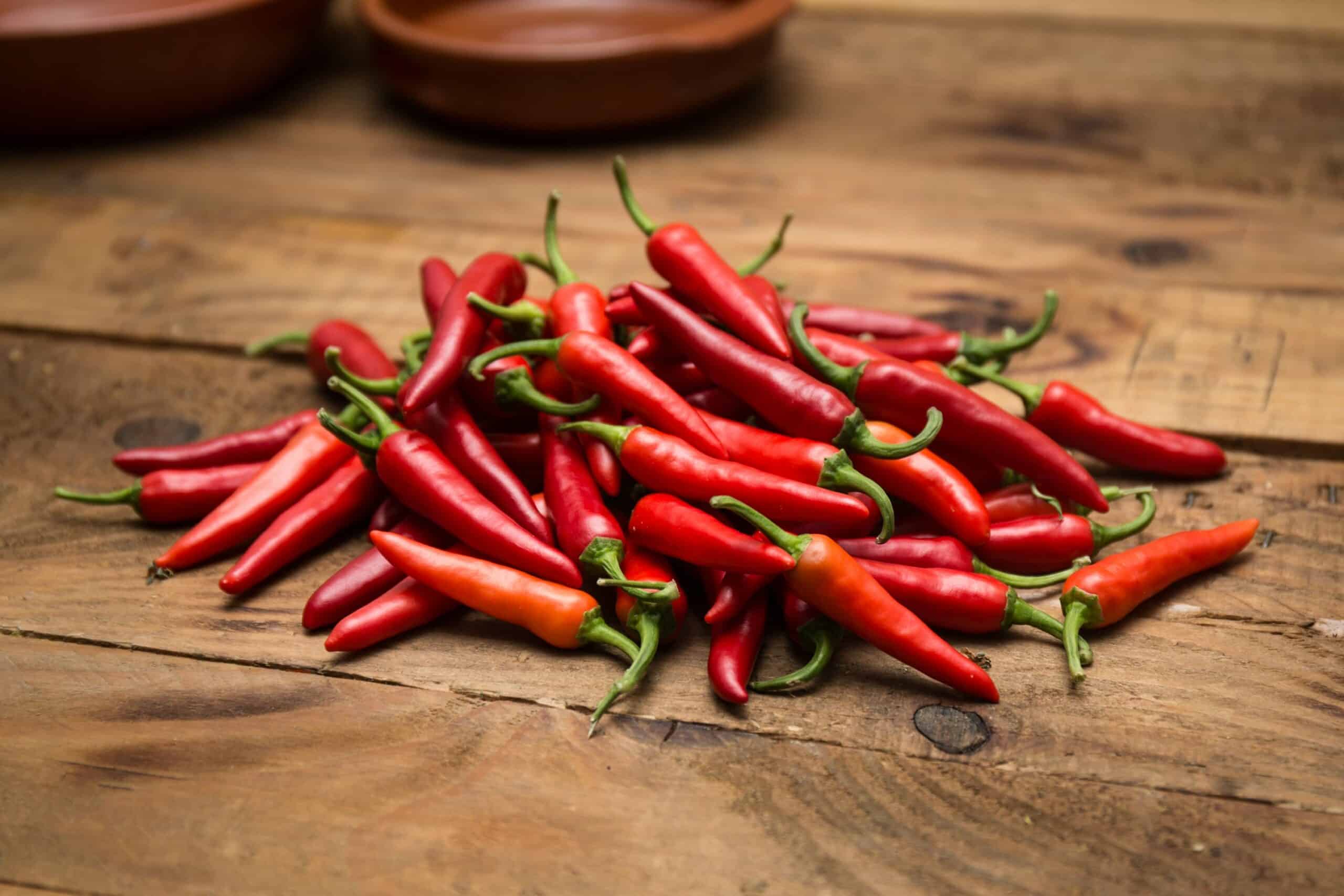
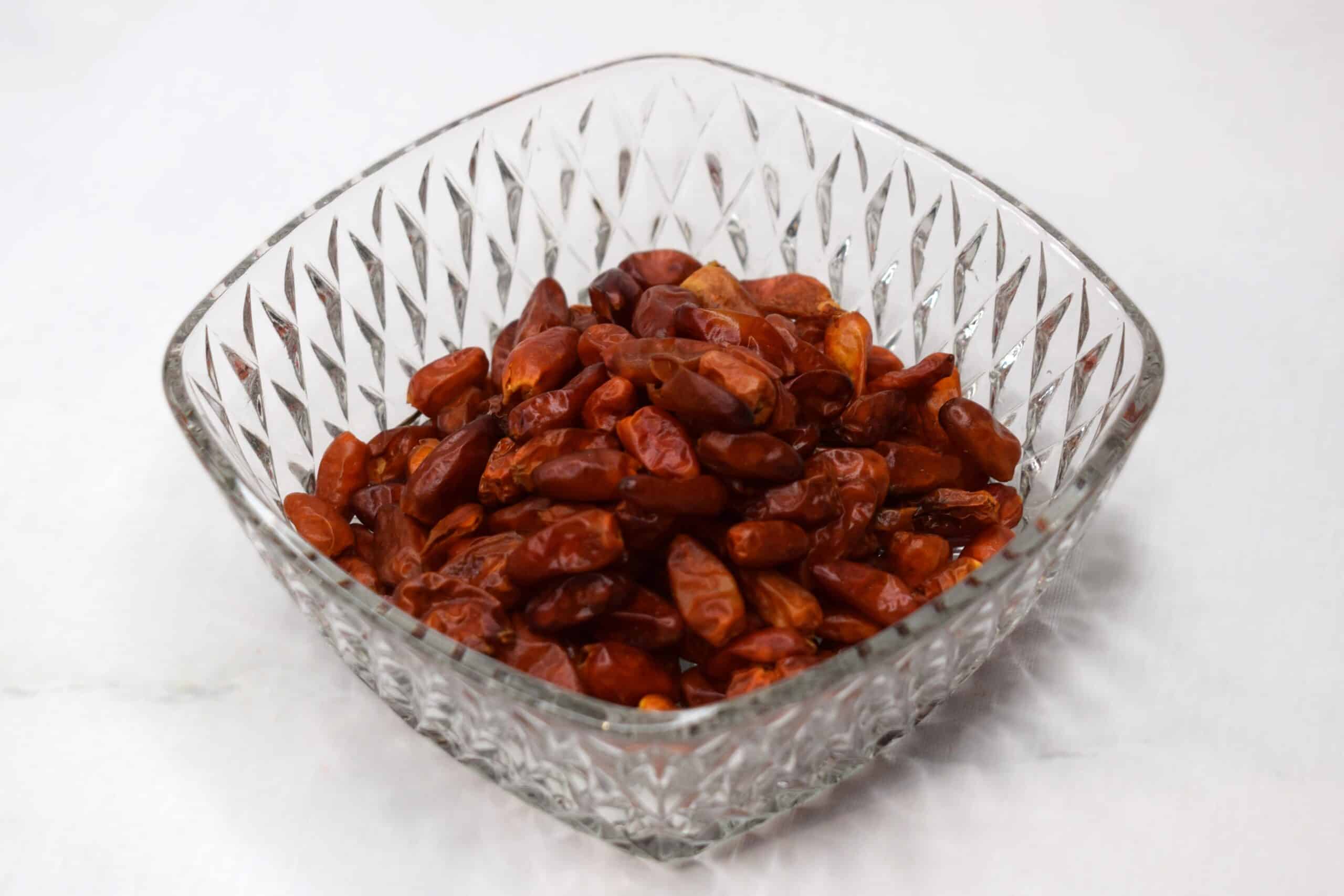
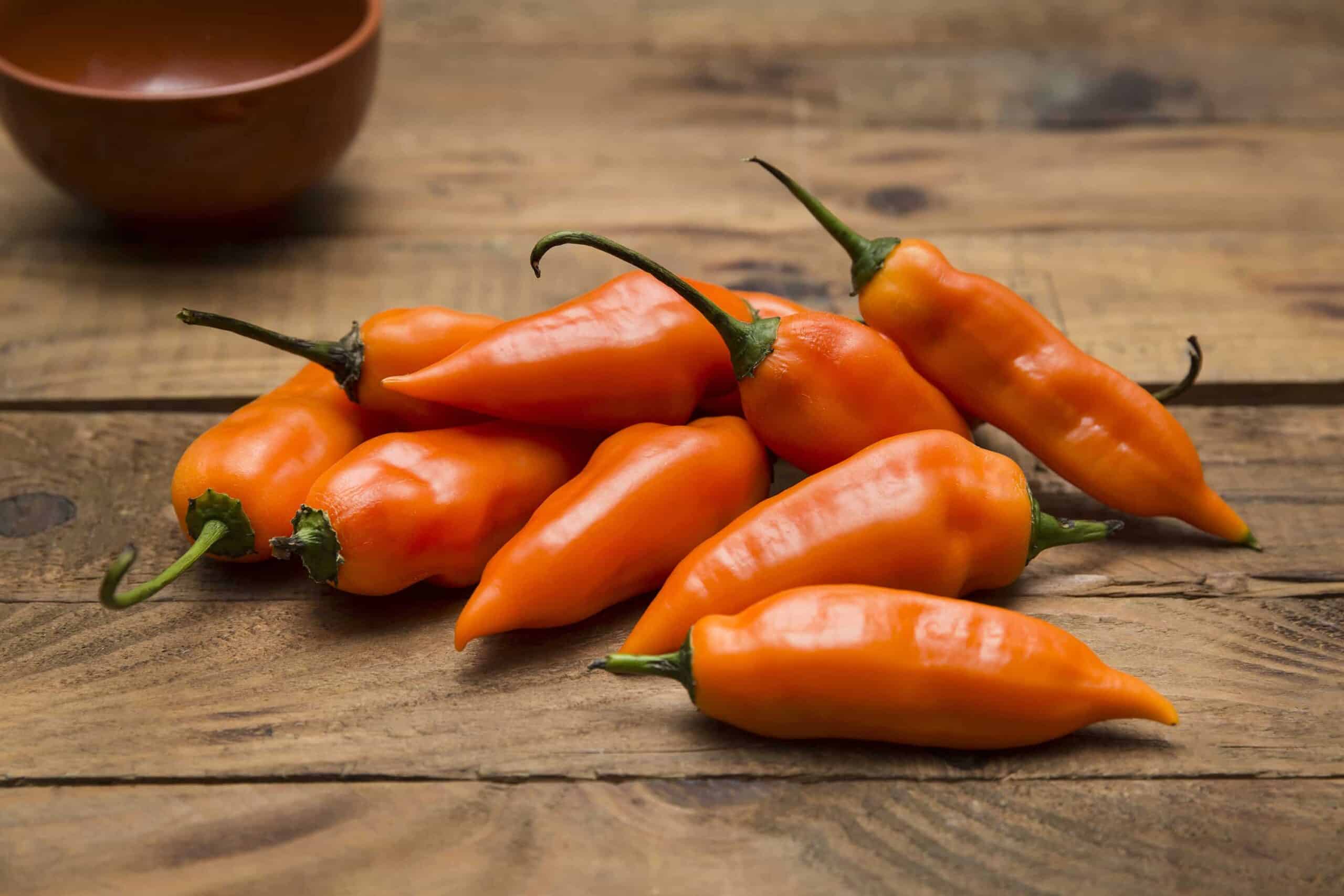
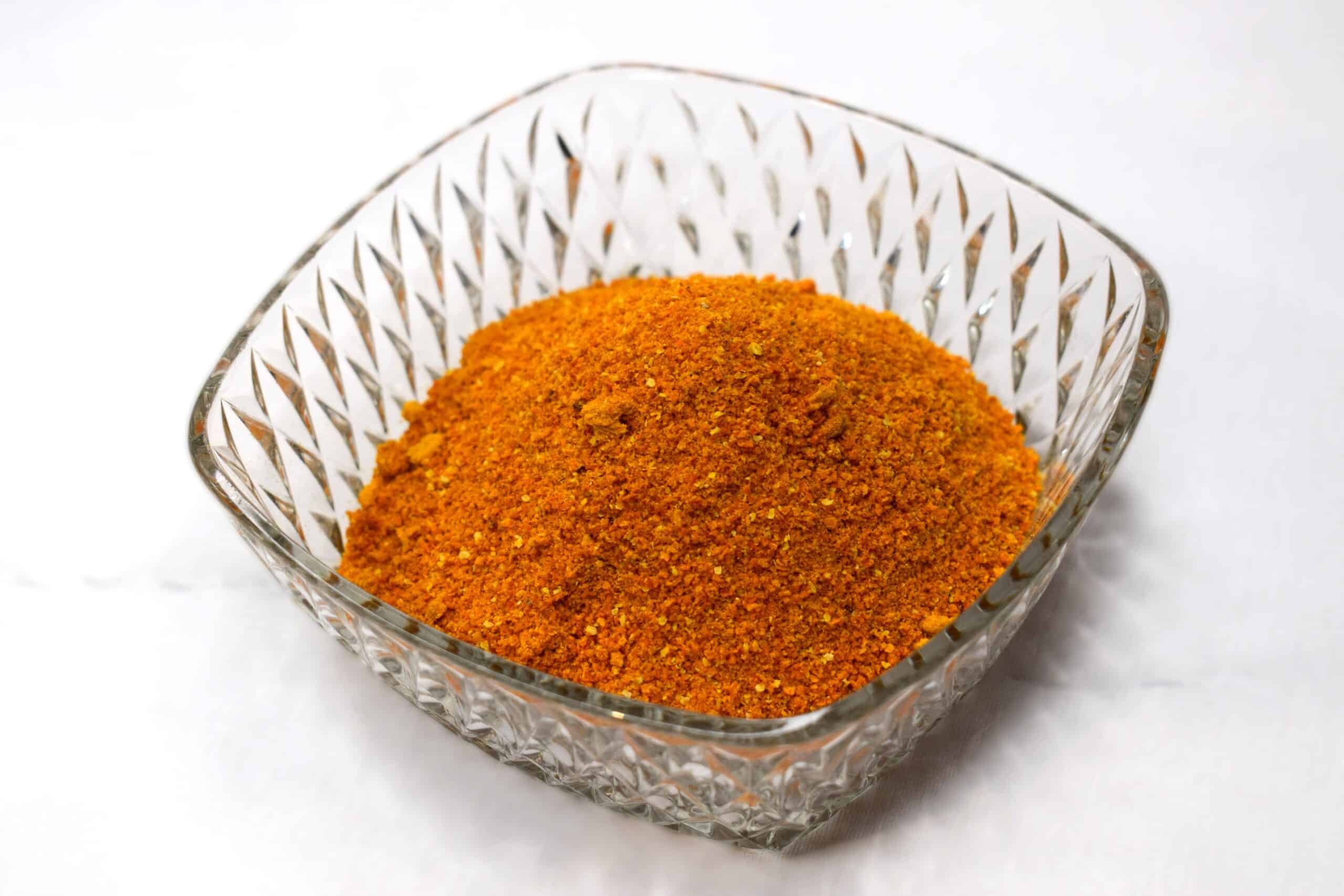
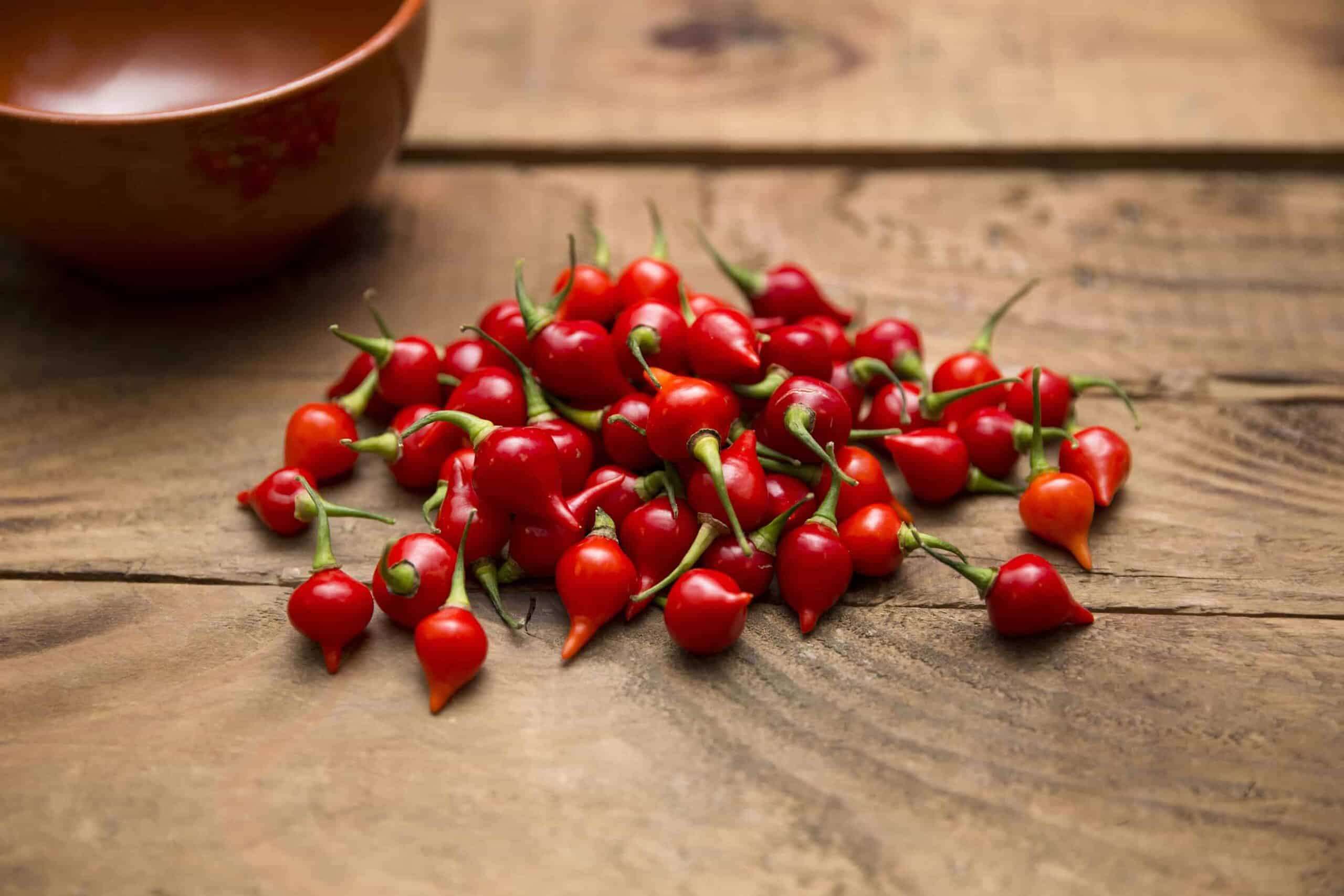
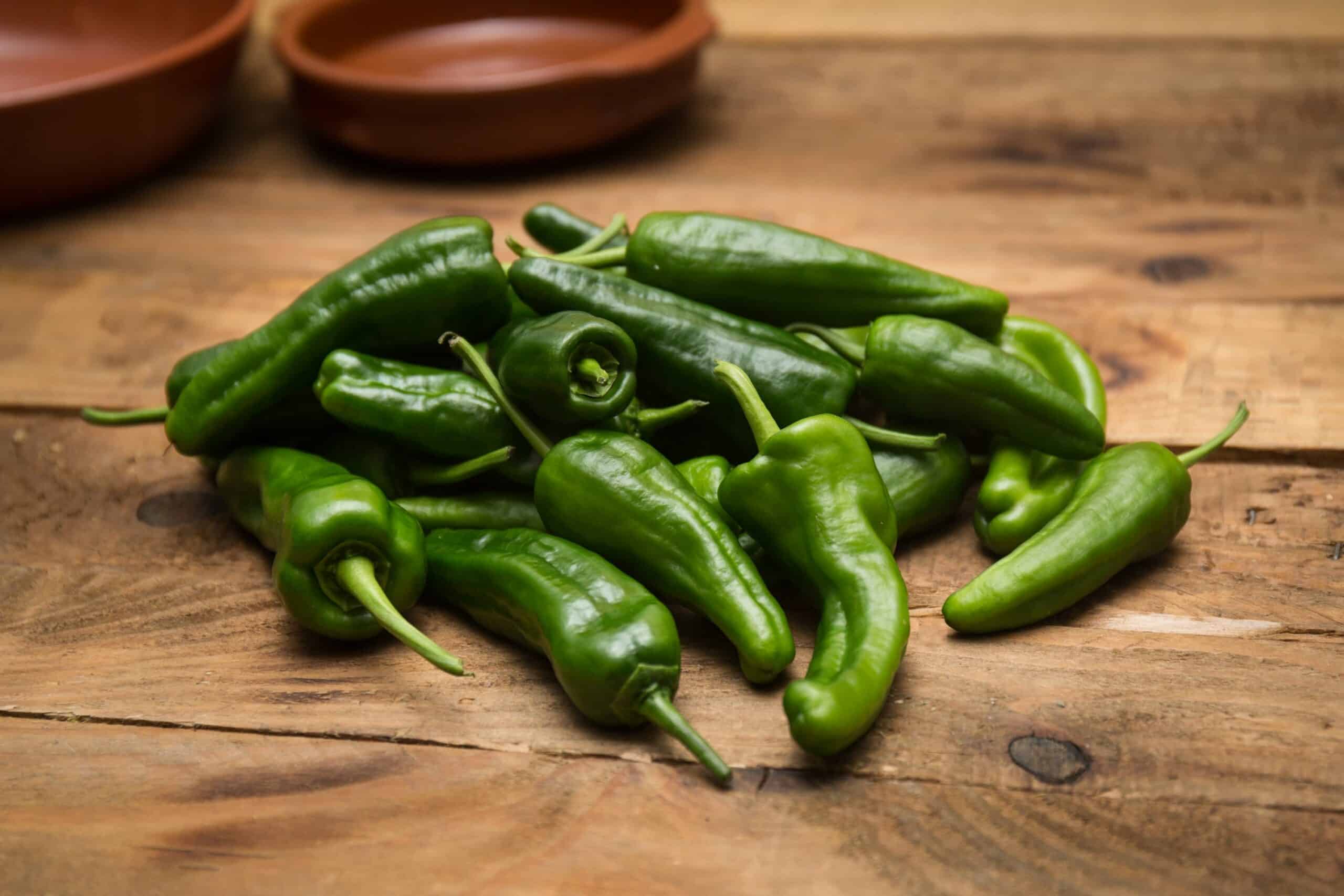
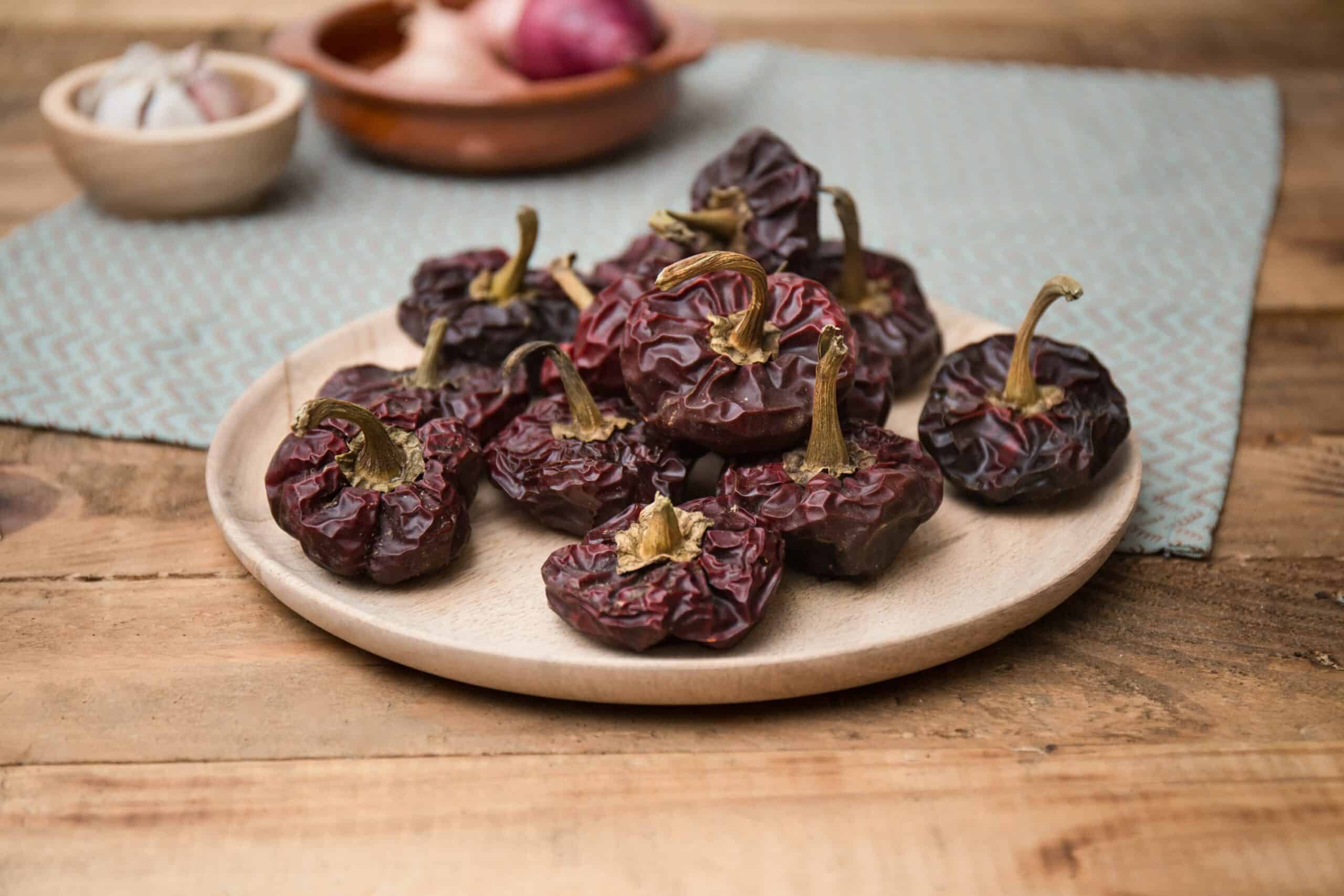
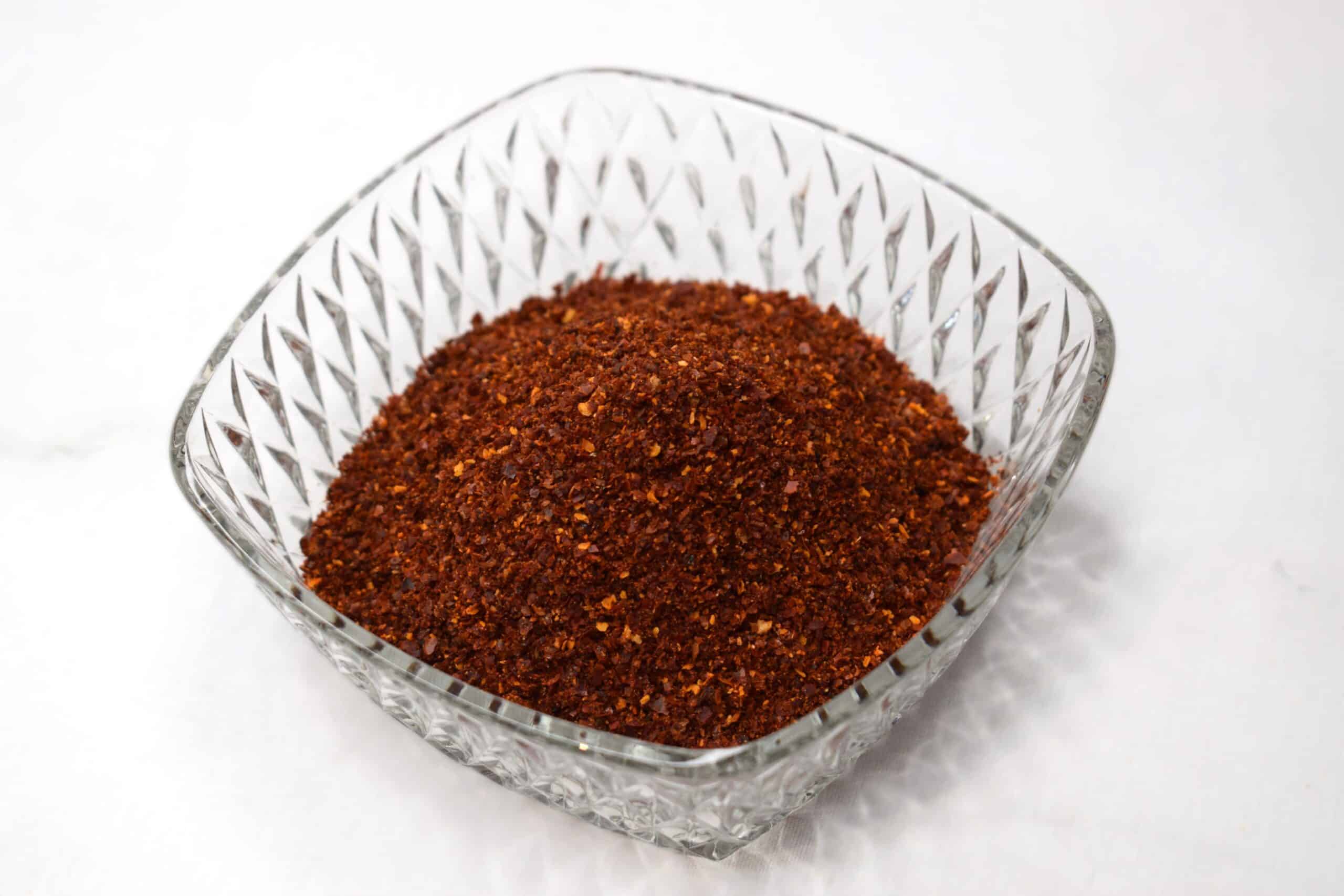
The Scoville scale measures the heat of chili peppers and other products containing capsaicin. Capsaicin is a chemical compound naturally found in chili peppers and is responsible for the spiciness or 'hot' sensation you feel when you eat a pepper. Capsaicin is most concentrated in the placenta (the white membranes) of the pepper. That's why the tip of a pepper is often much less hot than the rest of the pepper, as it contains almost no placenta.
The Scoville scale was developed in 1912 by American chemist Wilbur Scoville. Capsaicin is measured in Scoville Heat Units (SHU), which indicate how much sugar water is needed to neutralize the pepper's heat. The scale ranges from zero (no detectable capsaicin) to several million (extremely hot).
The Scoville scale helps people choose peppers that match their taste and tolerance for spiciness. People who regularly eat spicy food can develop a higher tolerance for capsaicin, meaning they experience the burning sensation less quickly. However, some people can remain very sensitive to the substance, even with milder peppers.
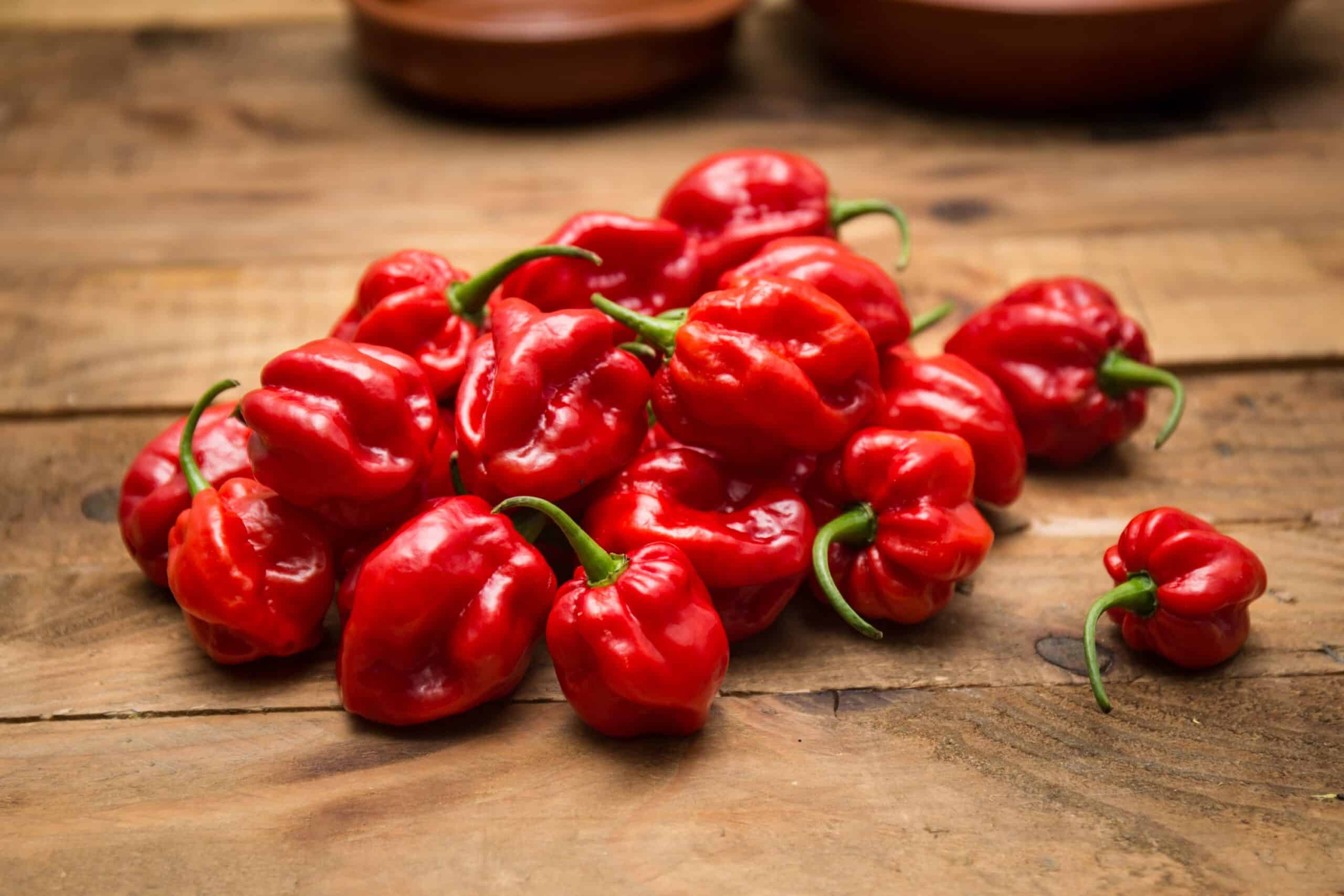
Peppers are natural products, and their heat really depends on nature's conditions – they need plenty of light and warmth to get that kick! So, in January, February, and March, when our peppers come from Spain, Morocco, and Israel, they might be a bit milder if they haven't had much sun. The same can happen during summer here in the Netherlands if we get less sunshine than usual. This is why the spiciness of peppers can vary, and sadly, it's out of our hands. The Scoville values you see below are just a guide, not a guarantee, as they're based on online sources. We don't test our peppers ourselves because, as we said, their heat can be different every single time!
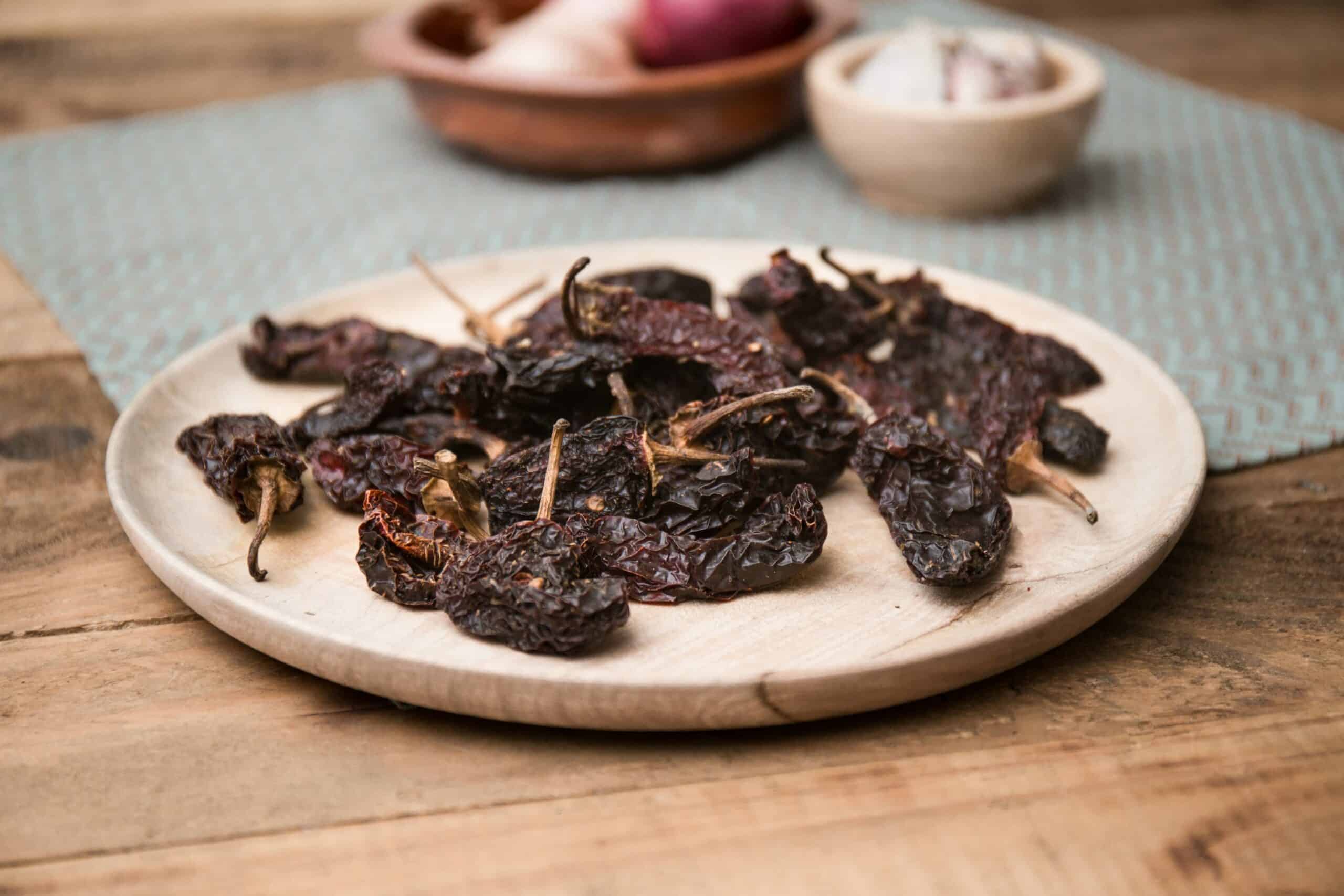
Click on the image to go to the product, for more info or to order it.
We've put together a fermentation kit so you can make your very own fermented hot sauce. Hard? Not at all! Check out our blog here for basic tips and watch our video for extra explanations.

We're big fans of Nick Toet and his YouTube channel, Eten met Nick! Every week, he shares new recipes, often using peppers to spice up his dishes. Check out the videos here where he uses Westlandpeppers peppers.
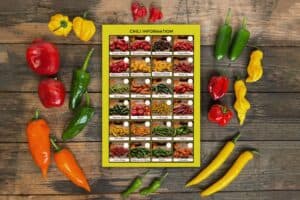
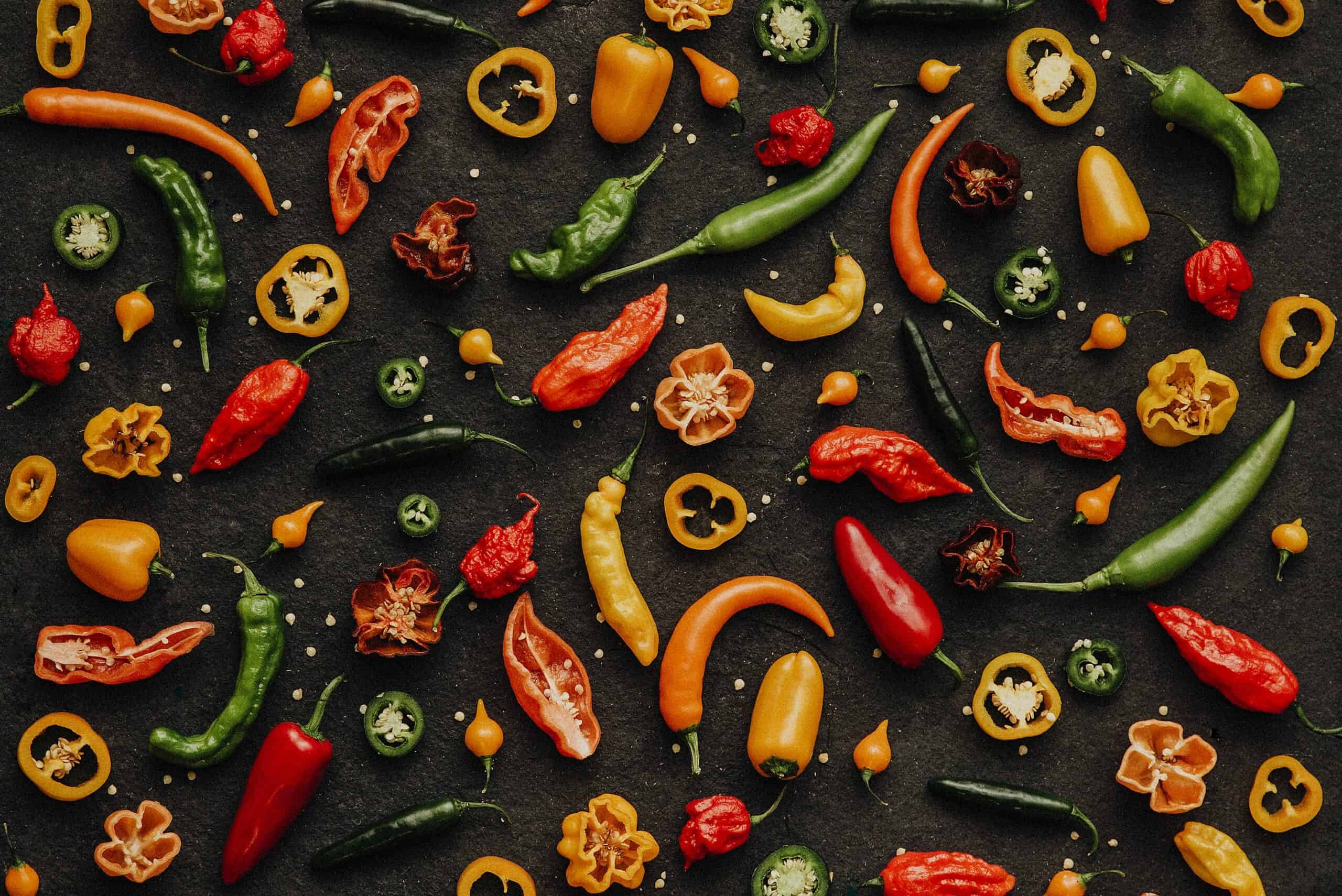
Scoville Scale Explained: How hot are your favorite peppers? Not sure which pepper to pick or how spicy a certain one is? Read our blog here for a complete Scoville scale of all our peppers.
| Monday | 8:00 AM - 5:00 PM |
|---|---|
| Tuesday | 8:00 AM - 5:00 PM |
| Wednesday | 8:00 AM - 5:00 PM |
| Thursday | 8:00 AM - 5:00 PM |
| Friday | 8:00 AM - 5:00 PM |
| Saturday | from 8:00 to 12:00 |
| Sunday | Closed |
Burg. Crezeelaan 44A
2678 KZ De Lier
© Westlandpeppers | Webshop by Buro Staal
Due to the holiday, our online store will be closed on Friday. Orders placed after 9:30 a.m. on Thursday, July 23, will not be processed and shipped until Monday, July 27. Pickup on Friday and Saturday will also not be available. Please keep this in mind and place your order in time. Thank you for your understanding, and have a great summer!
Our webshop will be closed this coming Friday. Orders placed after 9:30 AM on Thursday, July 31st, will be processed and shipped again on Monday. Thanks for your understanding!