- Direct from the grower
- Freshly shipped
- Quick delivery & pick-up point
- Spicy support

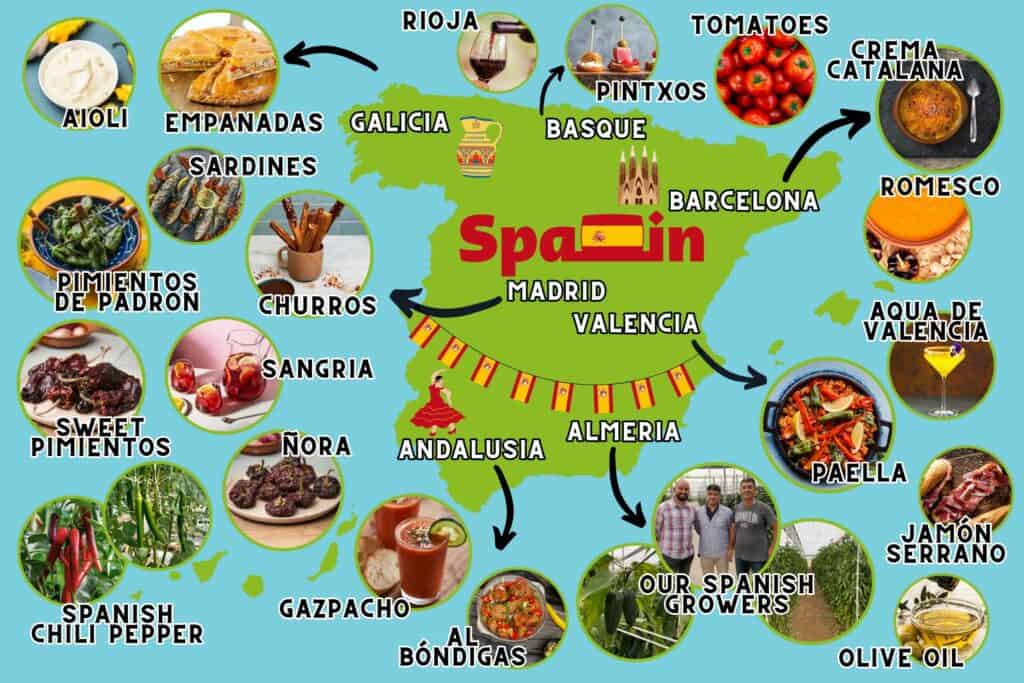
Spain is a country with diverse landscapes and a vibrant culture, and you can really see that in its cuisine. Spanish cuisine is a celebration of bold, rich flavors made with fresh ingredients.
It's often described as a market-driven cuisine. Whatever's available at the market gets used. That means many of the products are local and seasonal. From the farmlands and greenhouses in Andalusia to the freshly caught fish and seafood along the coast, each region boasts its own unique flavors and specialties. Olive oil, garlic, tomatoes, and peppers are key ingredients that form the base of many Spanish dishes.
Whether you're enjoying tapas, paella, or a sweet dessert, the flavors of Spain will transport you to a world of culinary delights.
Spanish cuisine itself is actually made up of various regional cuisines. You'll find completely different dishes on the menu in Andalusia compared to Catalonia or the Basque Country. Especially in inland Spain, they tend to eat heartier dishes, like a rich bean or potato stew with meat and sausage. Along the coast, meals are lighter, with lots of fish, rice, and vegetables. These regional differences make it a super varied cuisine. Below, we'll dive deeper into Andalusian and Basque cuisine.
Andalucian Cuisine
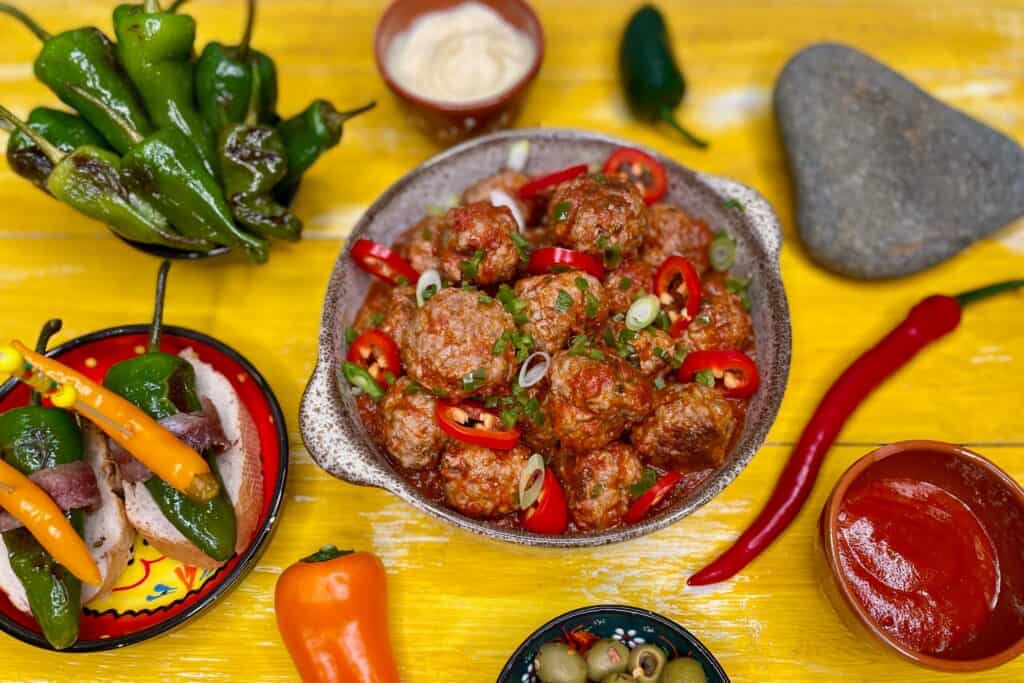
Andalusia is Spain's southernmost region. It's famous for its abundance of fresh produce grown on its farmlands. The warm Mediterranean climate provides a bounty of olives, citrus fruits, almonds, and various seasonal vegetables. These ingredients form the base of many Andalusian dishes like ajo blanco (almond and garlic soup) and ensalada malagueña (Malaga-style salad). You'll also find a touch of Moorish influence in the cuisine, as the Moors ruled the region for centuries. They introduced exotic spices like cumin, saffron, and cinnamon. These spices give a unique and aromatic character to dishes such as arroz con pollo (rice with chicken) and albóndigas (meatballs in sauce). Other well-known Andalusian dishes include gazpacho (a refreshing cold soup made with tomatoes, cucumbers, bell peppers, and garlic), gambas al ajillo (garlic prawns), and pescaíto frito (fried fish).
Basque Cuisine
The Basque Country is located in the northern region of Spain, and thanks to its mountainous and coastal location, both land and sea products are widely used. The sea provides plenty of fresh fish and seafood, including hake, cod, anchovies, and shellfish. You'll see these ingredients pop up in a famous Basque dish, Marmitako (a hearty fish stew). But meat also plays a big role, with juicy cuts of beef, pork, and lamb. The renowned chuletón (txuletón), a thick and perfectly grilled steak, is a testament to the Basque love for excellent meat. Pincho (Pintxos), the Basque version of tapas, is a well-known culinary tradition in the region. The name comes from the Spanish word 'pinchar,' which means 'to pierce.' These small snacks are served on a slice of bread (or baguette) and pierced with a skewer or toothpick. Other famous Basque dishes include piperade (a tomato and bell pepper stew served with egg and ham), bakalao al pil-pil (cod with hot pepper sauce), and axoa (a veal stew with herbs, peppers, and onions).
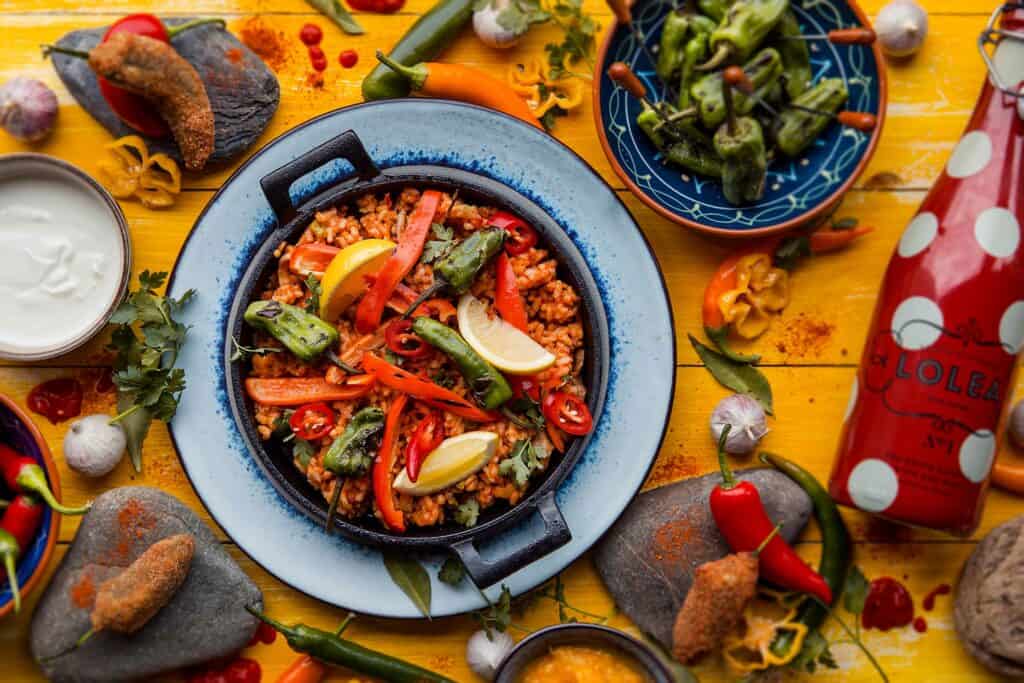
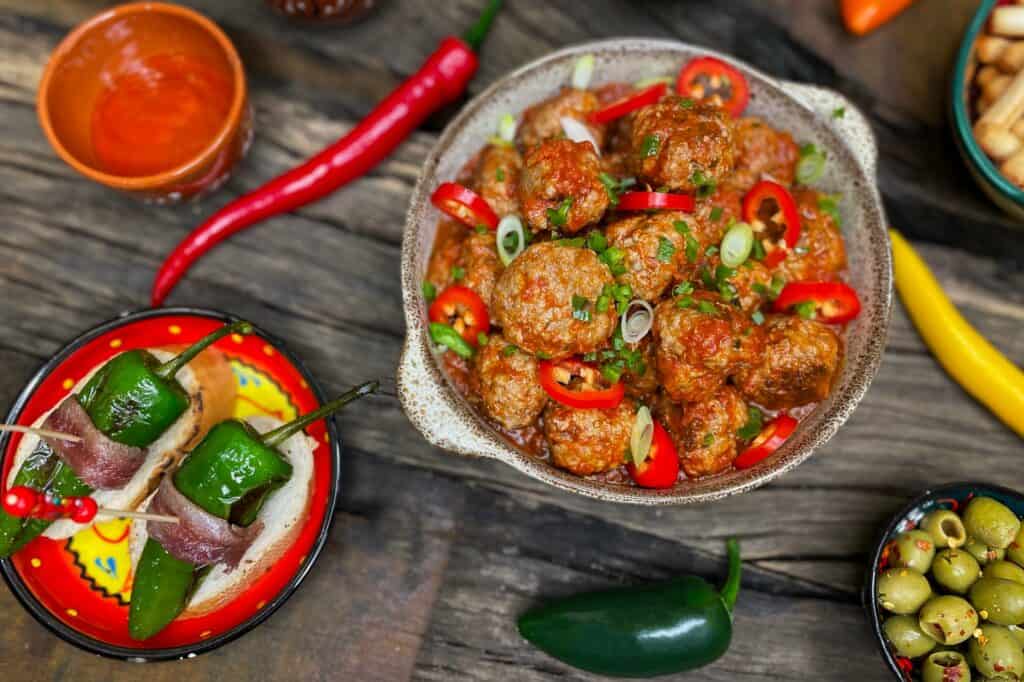
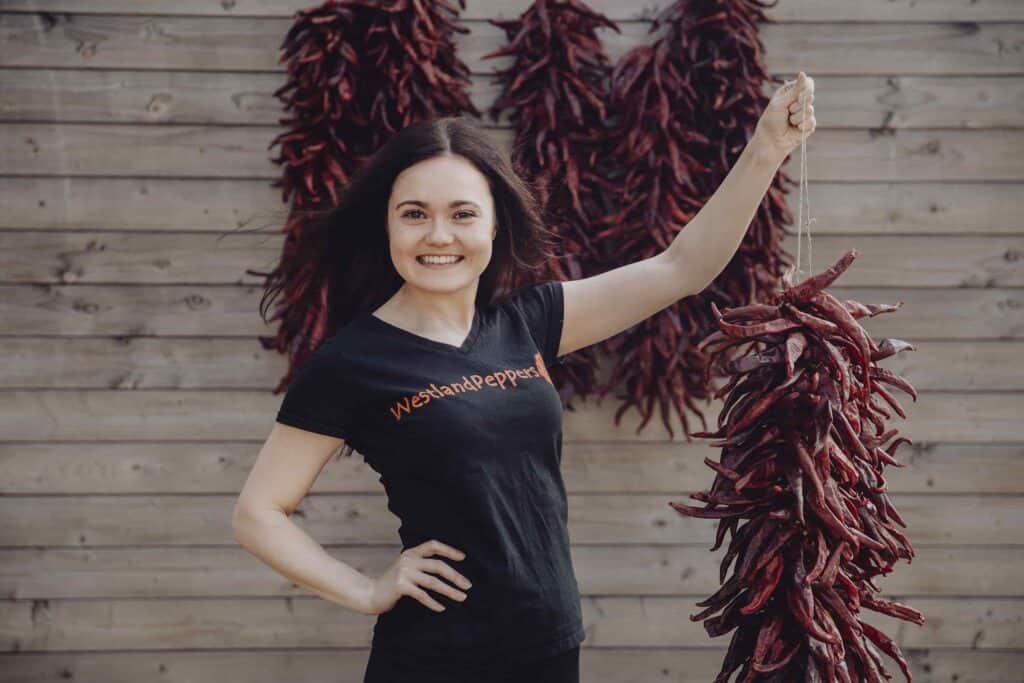
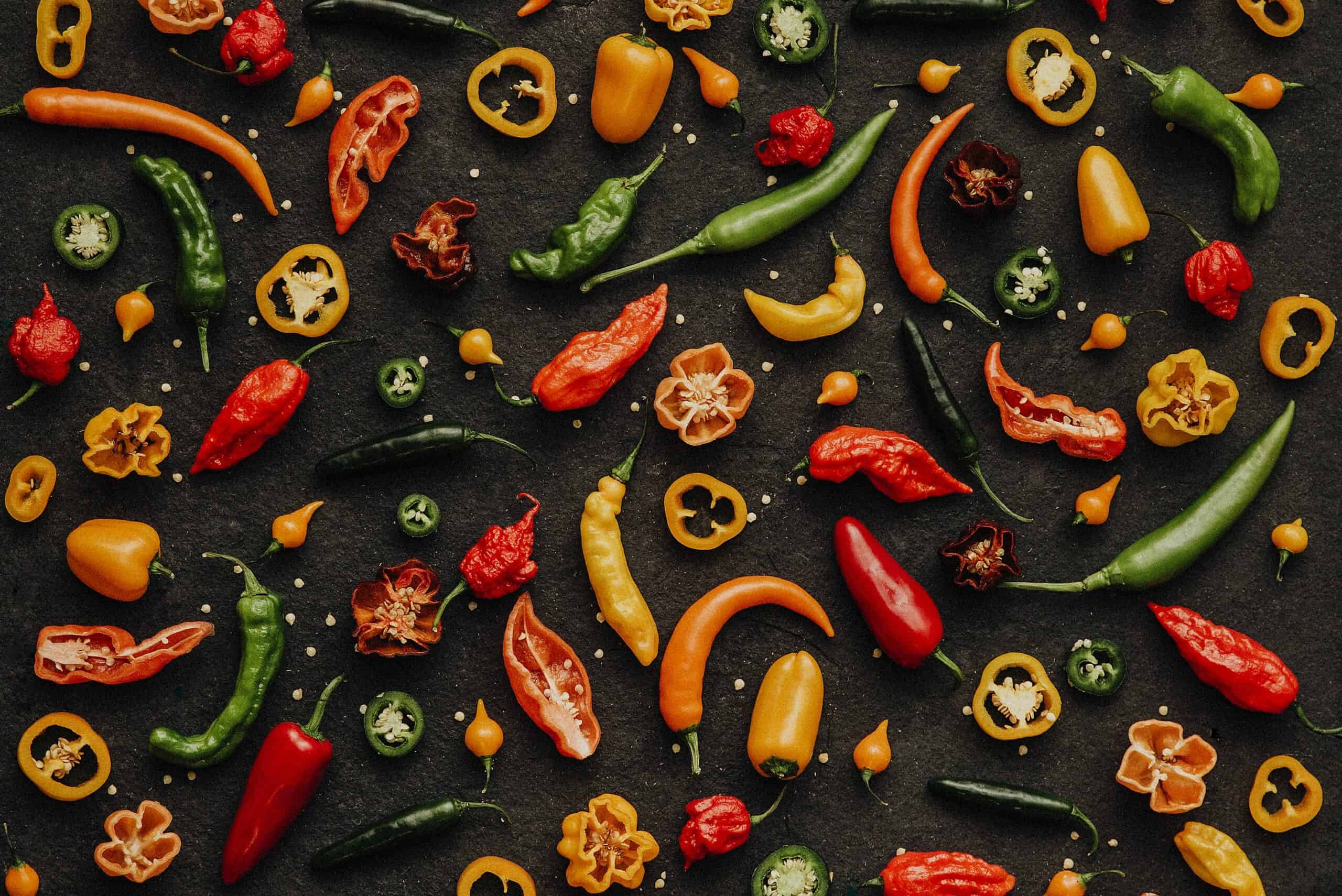
Chili peppers, called “pimientos” in Spanish, are super essential in Spanish cuisine and often a key ingredient in many traditional dishes. They really add to the complexity and depth of flavor in Spanish food. Whether it's adding a touch of heat to tapas, spicing up stews, or bringing a smoky flavor to sauces, chili peppers play a vital role in the vibrant Spanish kitchen!
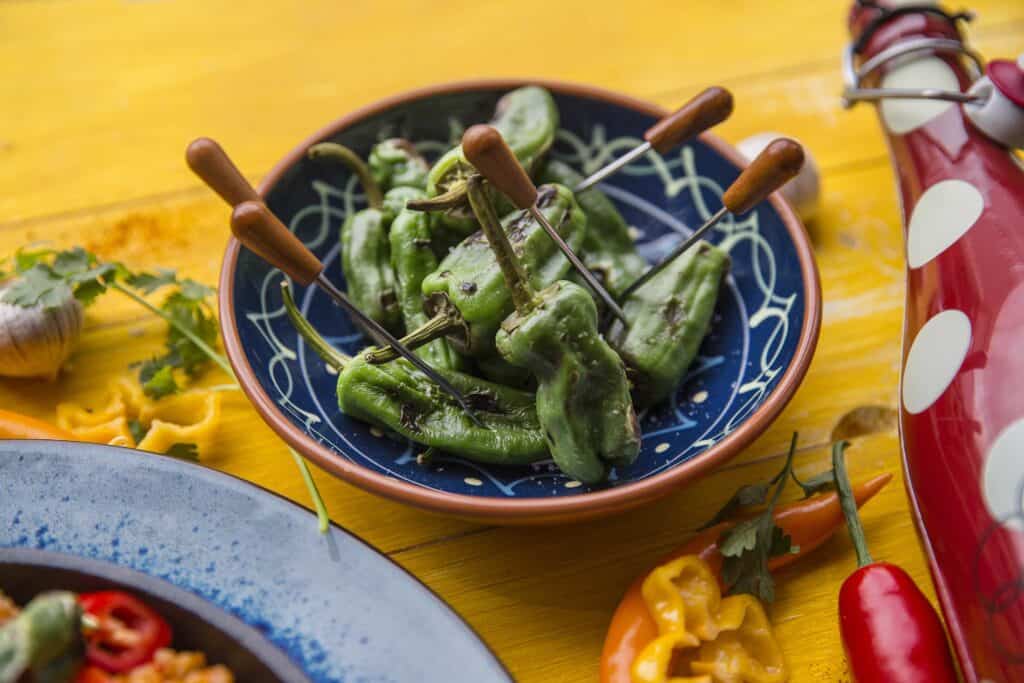
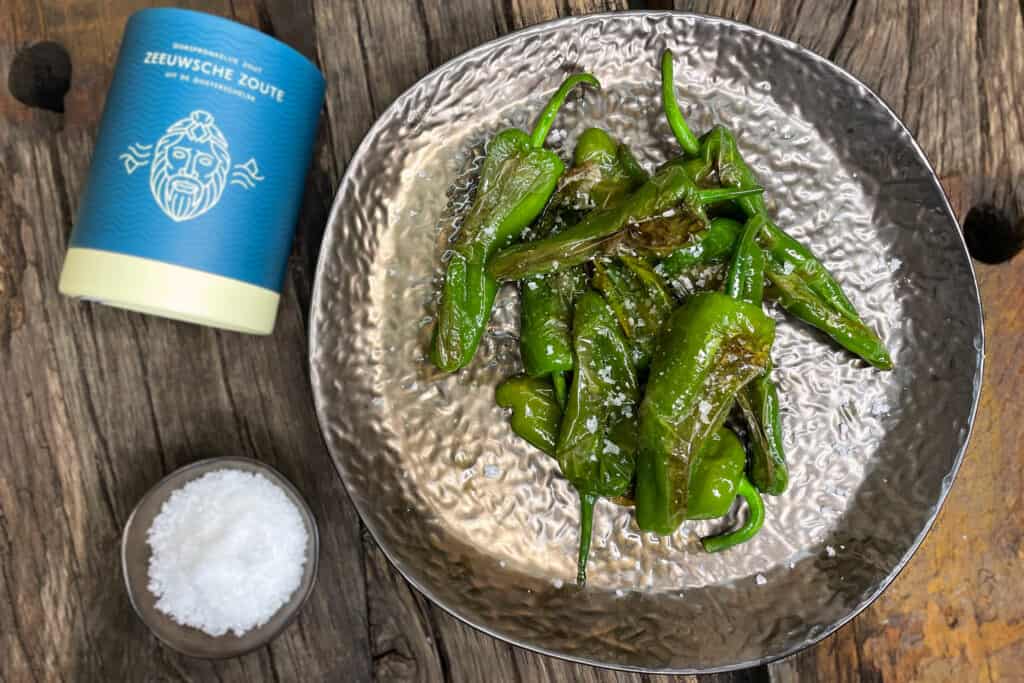
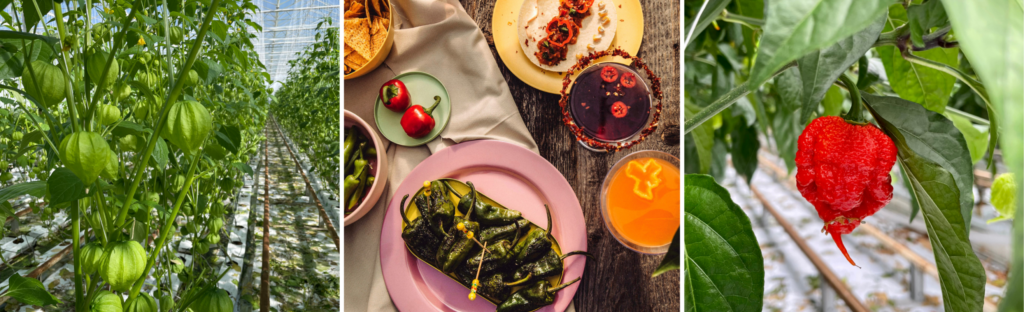
One of the most famous Spanish peppers is the Pimientos de Padron. These small green tapas peppers are usually fried or grilled in olive oil and sprinkled with sea salt. These mild peppers have a delicious, slightly bitter, and sometimes spicy flavor. They're a super popular tapas dish!
The 'normal' red pepper, which we in the Netherlands also call Spanish pepper, despite its name, doesn't actually come from Spain, but from Central and South America. The 'Spanish' prefix came about in the 16th century when these peppers were brought to Europe from America by Spanish traders. So, this pepper goes by many different names: Spanish pepper, red pepper, Lombok, Cayenne – they're all for the same pepper! And it's used worldwide to spice up dishes, even in Spain.
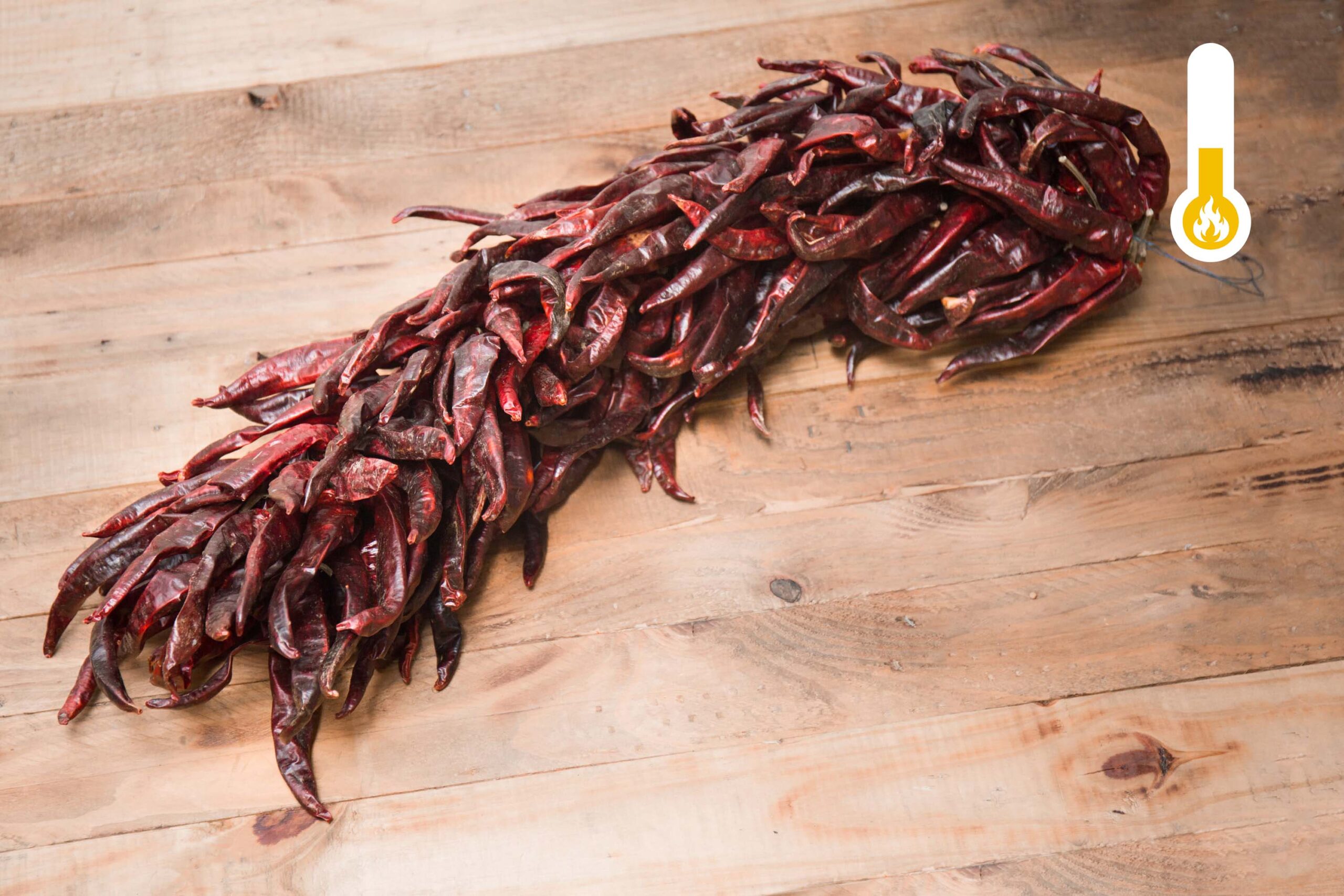
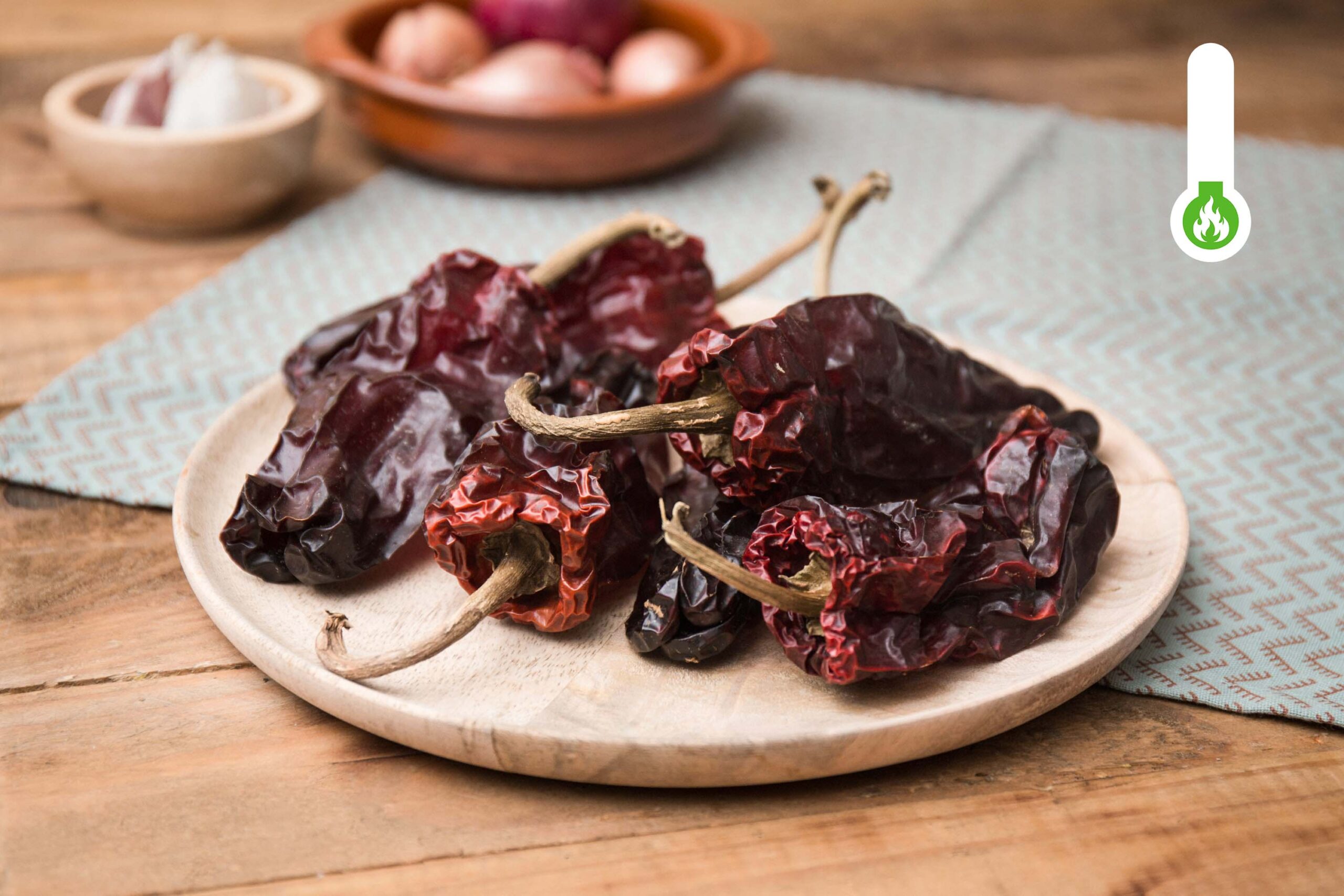
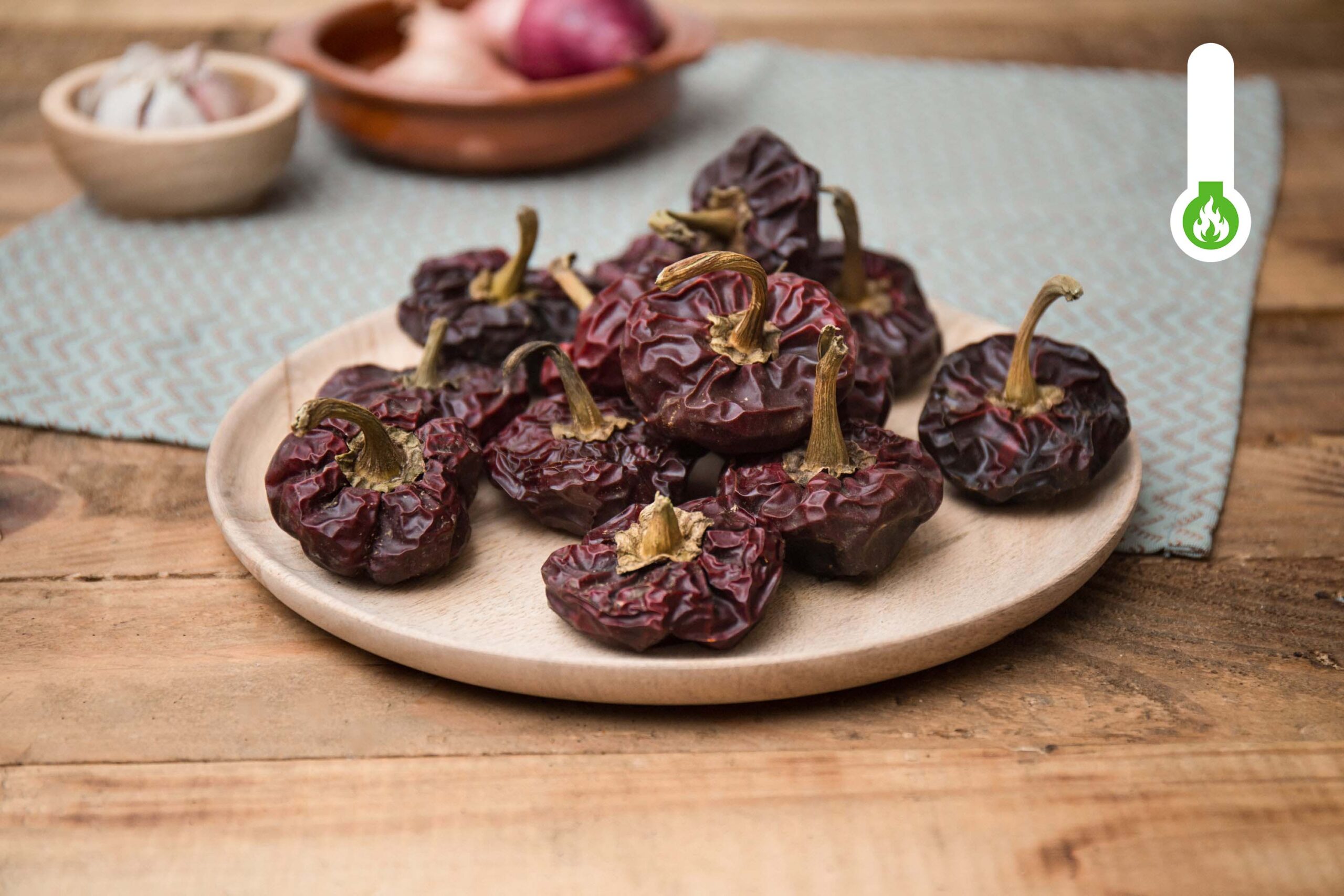
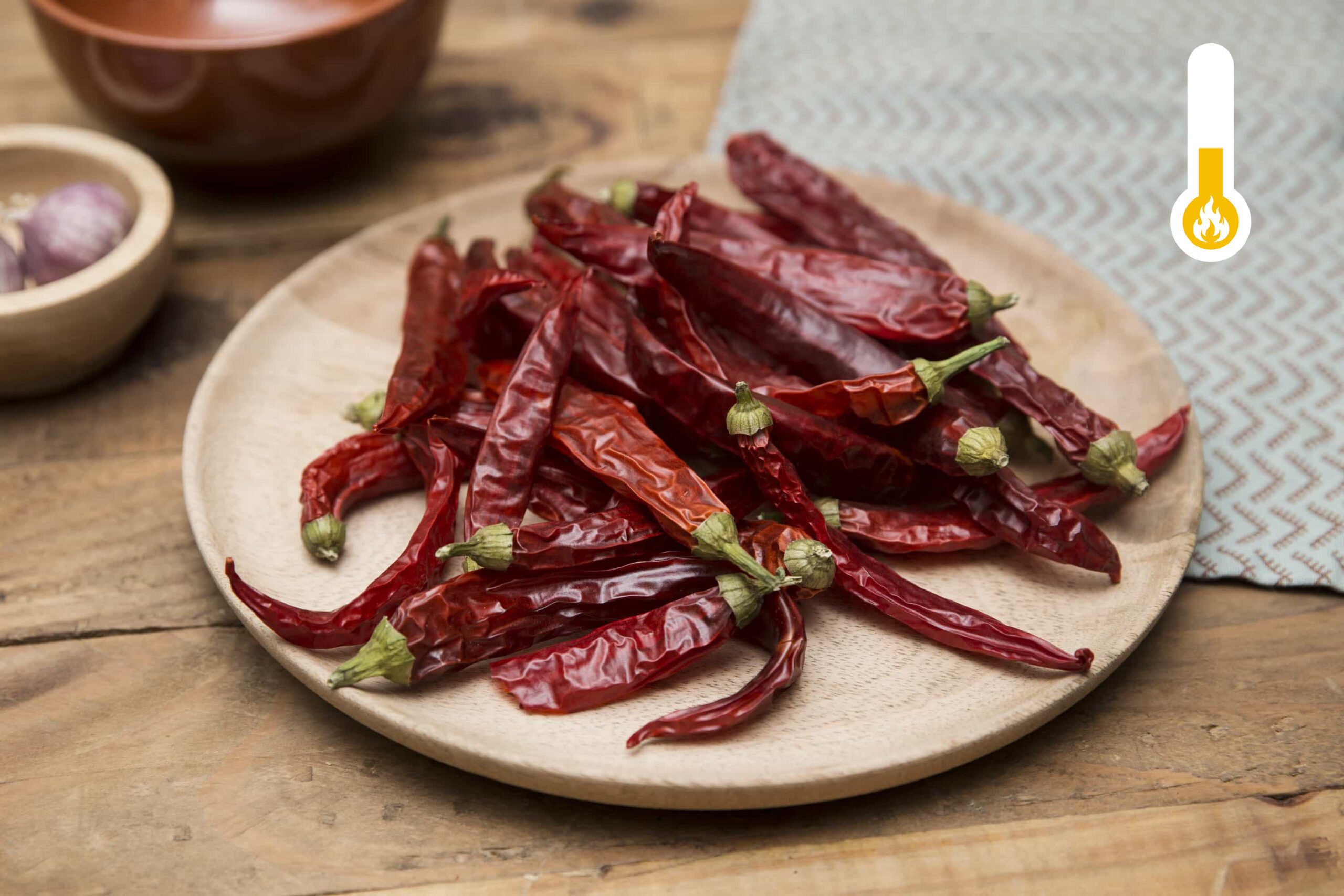
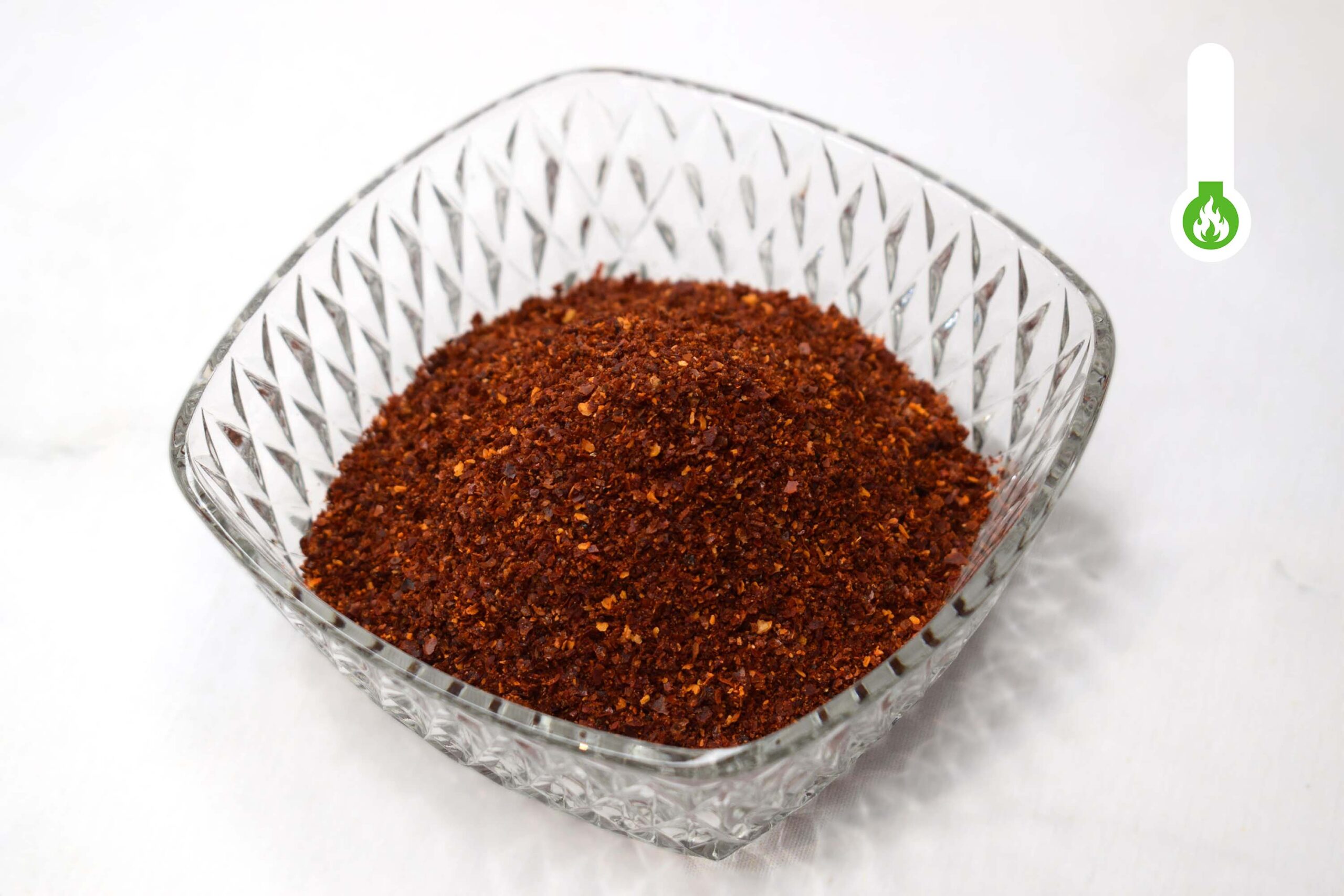
The Spanish kitchen also loves its dried chili peppers, like the Ñora chili pepper. These small, round peppers are sun-dried to develop a more intense sweetness. This dark red pepper adds flavor to many Spanish dishes and is a key ingredient in Romesco sauce and many other sauces. You can use this dried Ñora to make your own smoked sweet paprika powder (pimientón). This paprika powder is nothing like what you find in the supermarket, as the Ñora pepper gives it a deep, smoky flavor. It's also an essential ingredient in Spanish chorizo sausage and various tapas dishes.
Another popular dried chili pepper is the “guindilla“, which is also used to make pepper strings. These mildly spicy peppers are often pickled and served with dishes like pintxos, or they're used to flavor sauces. They add a slightly spicy and smoky touch to any dish.
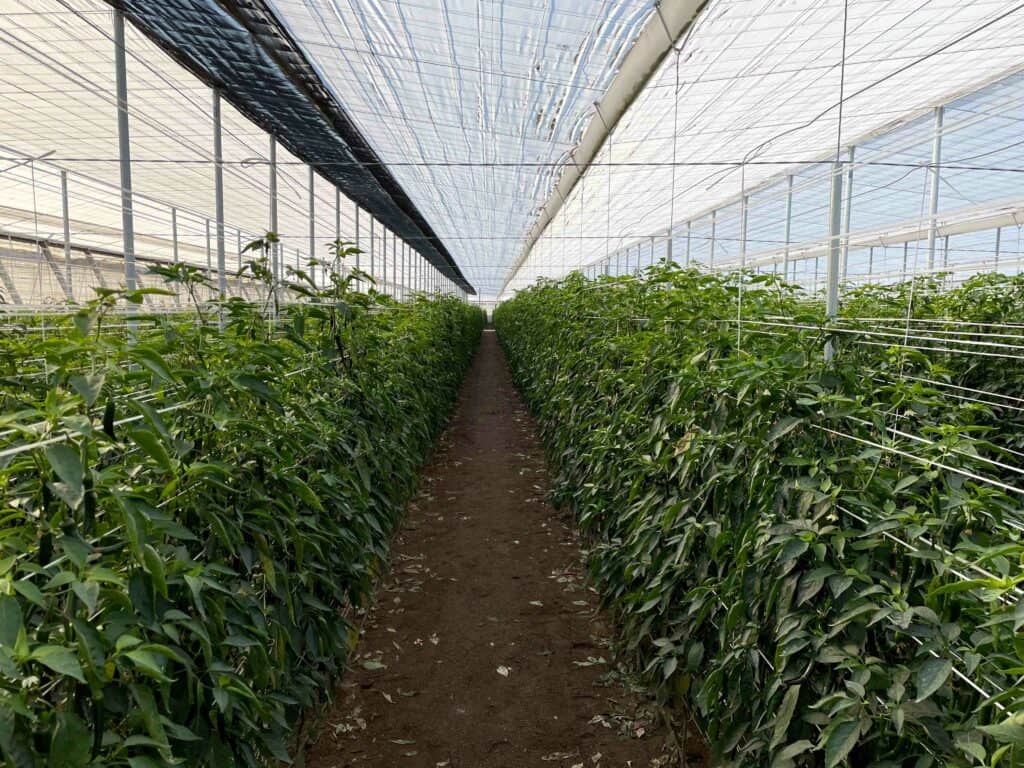
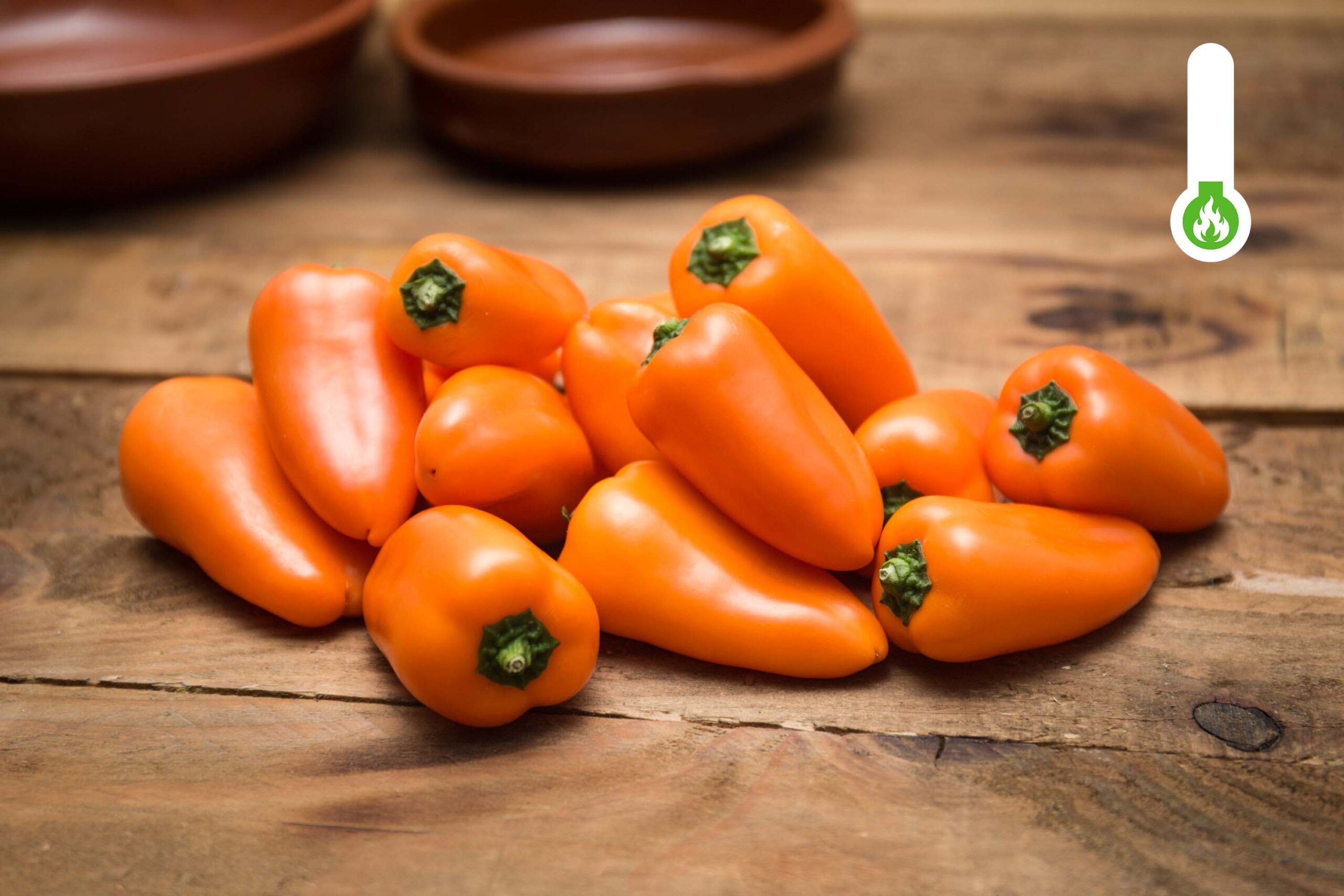
Spain is also a country with lots of farmland. They grow all sorts of things there, including our peppers during the winter months (October-April). Westlandpeppers has been working for years with the same growers in Spain who cultivate specifically for us. They grow the same pepper varieties there that we have here during the summer season, like Habanero, Pimientos de Padron, Aji Amarillos, and even snack peppers. This way, we can offer products year-round. They're also Global GAP, GRASP & PlanetProof certified, easily meeting the strict requirements of supermarkets and PlanetProof. They cultivate in the Almeria region, which is also known as the 'sea of plastic' or 'mar de plástico'. It's not a real sea, but a huge area of about 30,000 hectares covered with plastic greenhouses. This area now has the largest concentration of greenhouses in the world, and 60% of Spain's total horticultural production happens in Almeria. A large portion of Europe's demand for fresh fruits and vegetables, like tomatoes, bell peppers, cucumbers, zucchinis, lettuce, and melons, is produced in Almeria every year.
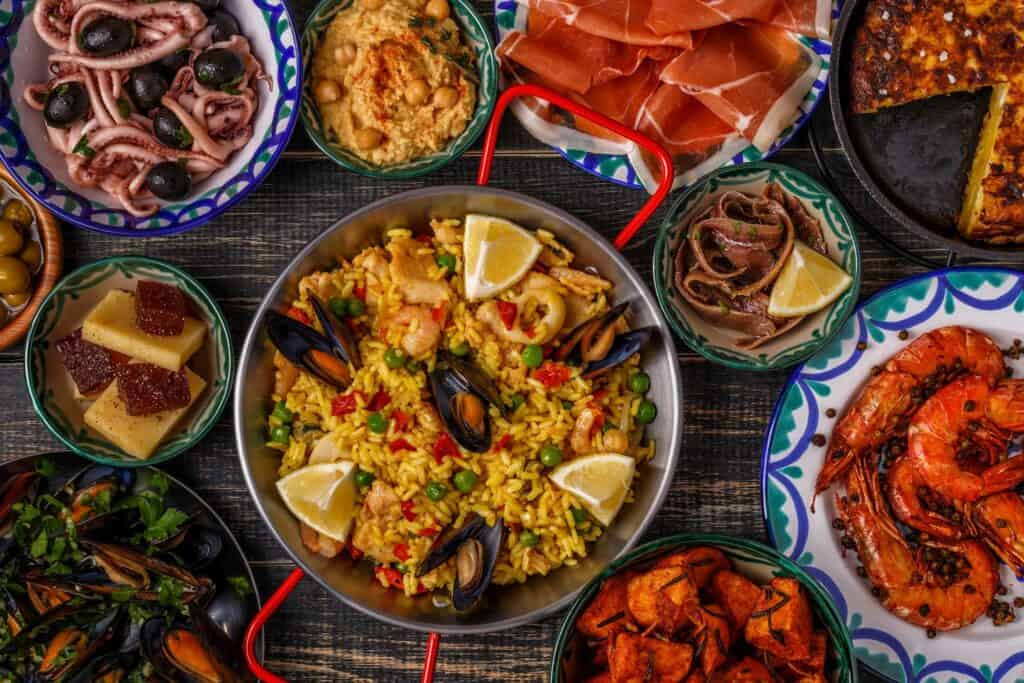
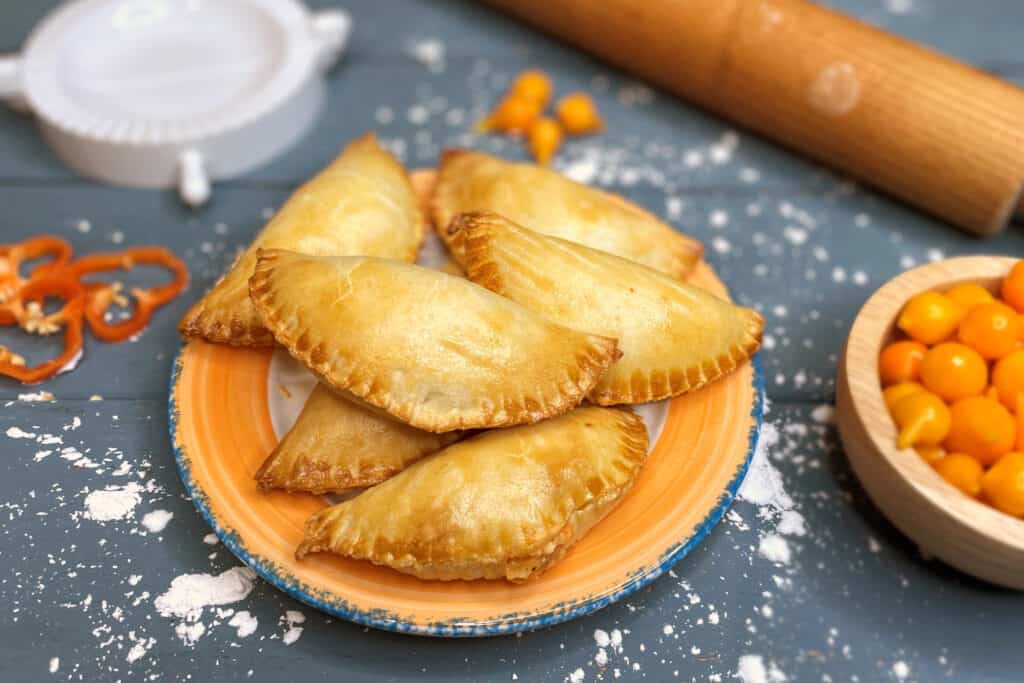
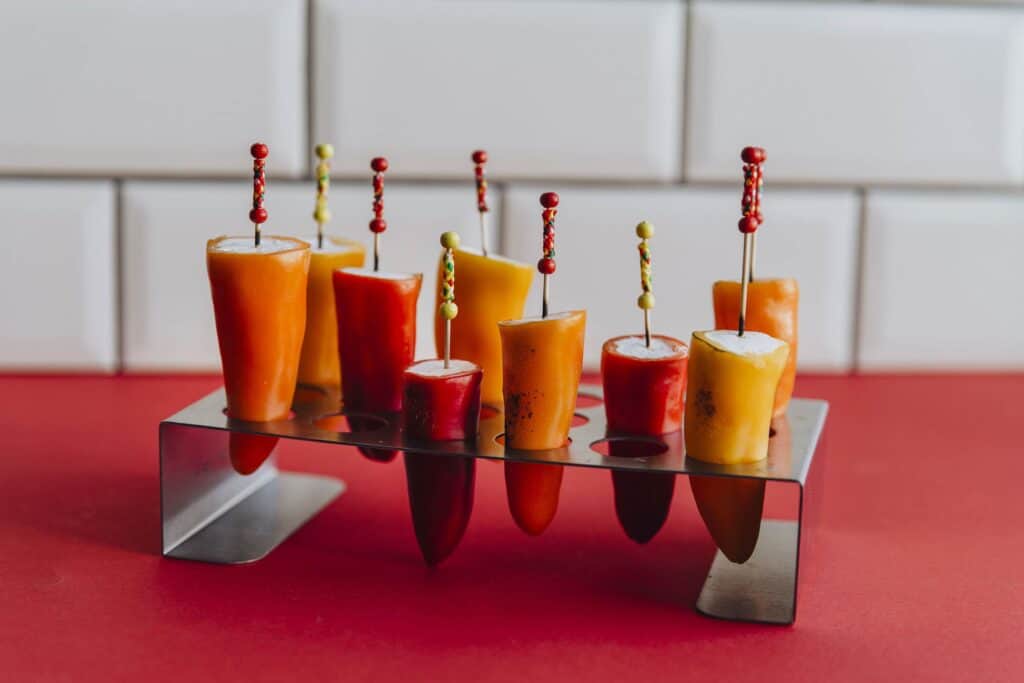
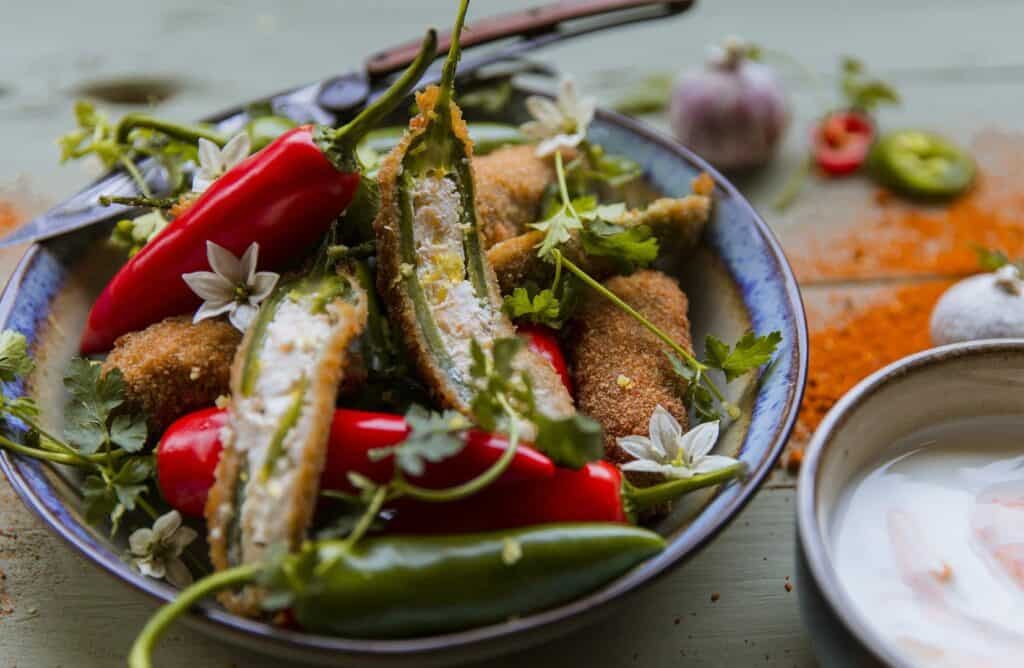
When you think of Spanish food, you often think of Tapas. These small plates with various bites are a huge part of Spanish food culture. They're perfect for sharing and enjoying a meal together. These little bite-sized dishes range from classic favorites like patatas bravas (spicy potatoes) and grilled Pimientos de Padron peppers to more elaborate creations like tortilla española (potato omelet), Jalapeño poppers (fried and stuffed jalapeño peppers), and empanadas (filled pastry).
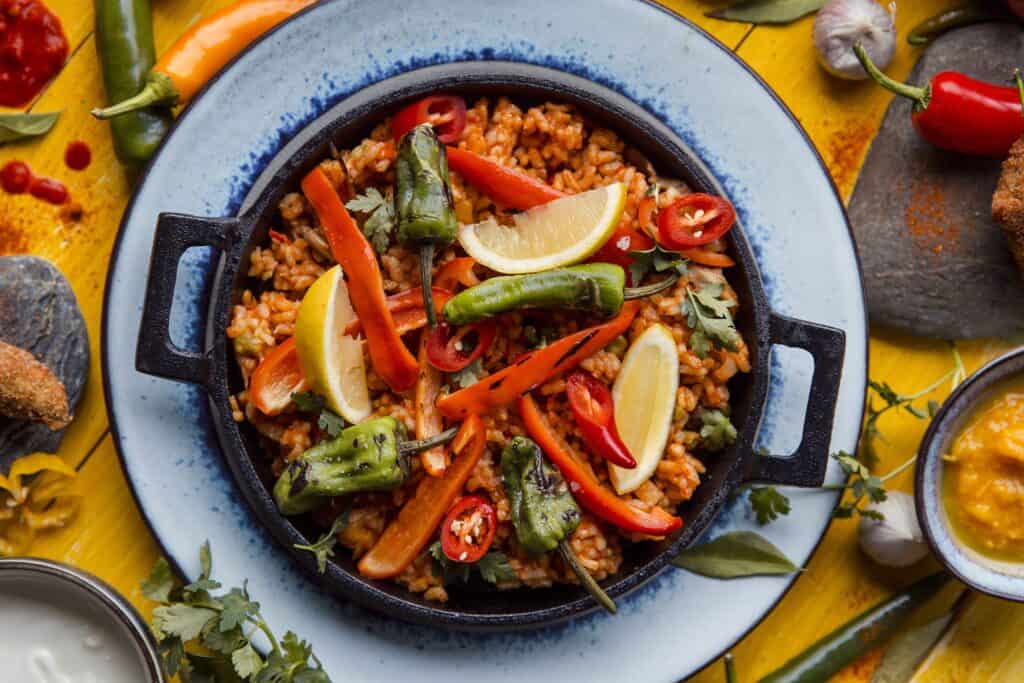
You can't talk about Spanish cuisine without mentioning paella! This rice-based dish originally comes from the Valencia region but is enjoyed all over the country. Traditional paella features rice, saffron, vegetables, and various additions like chicken, rabbit, or seafood. The rice is cooked slowly, allowing the flavors to blend and soak into the rice, giving paella a wonderful aroma and a deep, rich taste.
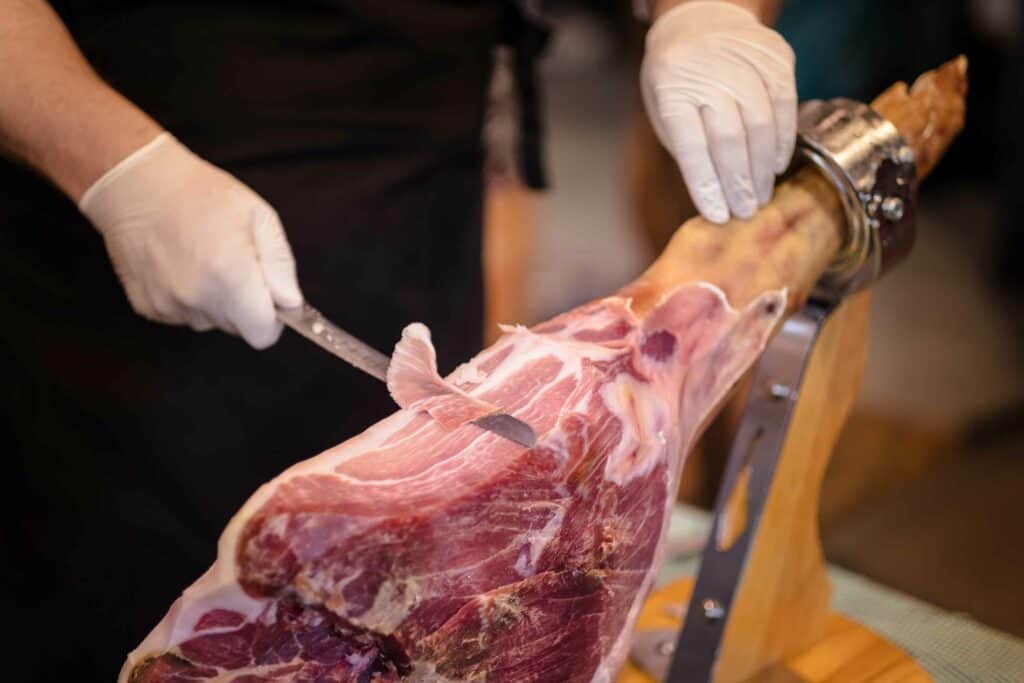
Spain is also famous for its cured meats, especially jamón ibérico. This delicacy comes from black Iberian pigs fed on acorns and is carefully cured for months, or even years, after slaughter. The result is a tender, marbled texture and a nutty, savory flavor. Its authentic taste comes from the type of pig, but also largely from the preparation and open-air curing process. The leg of jamón ibérico is thinly sliced with a razor-sharp knife in a ham stand.
Real jamón ibérico can be quite pricey, but luckily there are more affordable alternatives like jamón serrano. This comes from white pig breeds. The ham is thicker and less marbled than ibérico ham, and the leg is shorter. Because of the shorter and less rich diet, the fat is white, harder, and less supple. Serrano ham smells sweet, has a distinct umami flavor, and is saltier than ibérico ham.
Spanish dried sausages are also famous worldwide, like chorizo and salchichón. Chorizo comes in two varieties: picante (spicy) and dulce (sweet). This spicy or sweet flavor comes from adding dried and smoked red paprika powder and chili powder (for picante).
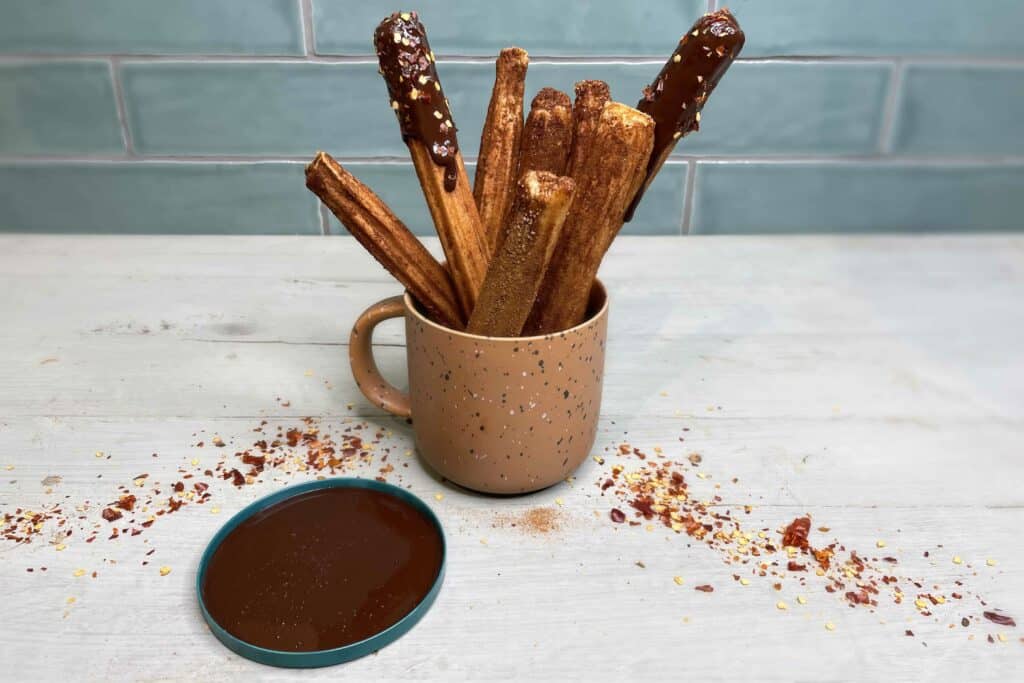
When it comes to desserts, Spanish cuisine offers a bunch of sweet options. Churros, which are fried dough pastries sprinkled with cinnamon sugar (or chili flakes for a spicy twist!), are a beloved snack you can enjoy any time of day. Crema Catalana, a creamy custard dessert with a caramelized sugar topping, and Tarta de Santiago, an almond cake from Galicia, are other popular desserts that will tantalize your taste buds.
One of Spain's most iconic drinks is Sangría, a super refreshing and fruity beverage. Sangria refers to 'sangre,' which means blood, so it's a blood-red drink! While white Sangria exists, it's usually made with Spanish red wine, like Rioja or Tempranillo. This is mixed with sparkling water, fruit pieces like oranges, apples, and lemons, and then flavored with triple sec, Cointreau, brandy, or cognac and sugar. It's the perfect choice for a hot summer day. Its vibrant color and light, fruity flavors make it a favorite among locals and tourists alike. A lighter alternative to Sangria is Tinto de Verano, where wine is mixed with lemon-lime soda, sparkling water, or soft drinks.
Wine
Spain boasts the largest area of vineyards in the world. It has an impressive selection of wines, including Rioja, Ribera del Duero, Sherry, Tempranillo, and Priorat. From fruity and refreshing white wines to powerful and full-bodied reds, Spanish wines perfectly complement the country's robust cuisine. It's no surprise then that dishes are often served with a glass of good Spanish wine, and it holds a central place in Spanish culture.





José Pizarro
Sandra Alvarez
English
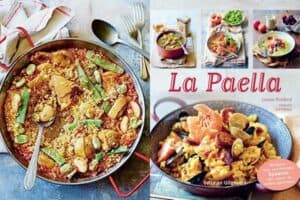
Louise Pickford
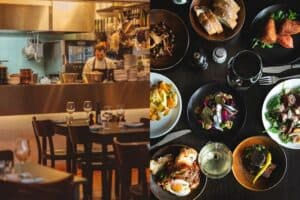
Rotterdam
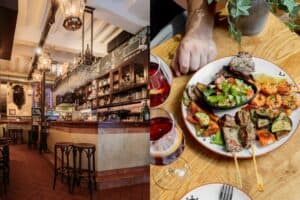
Maastricht
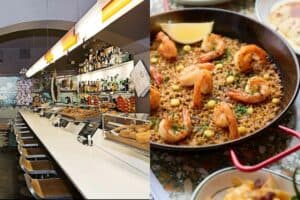
Barcelona
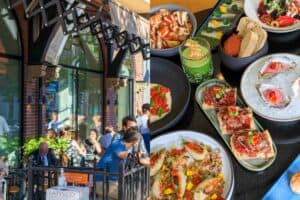
The Hague
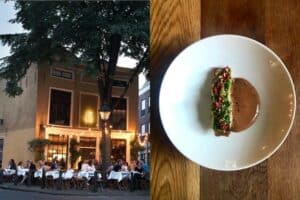
The Hague
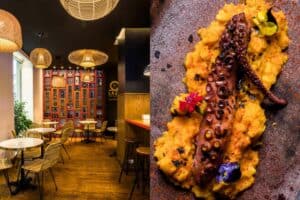
Valencia

Amsterdam & Valencia

Utrecht

Madrid

S5 Ep 5: Madrid
Netflix

S1 Ep 10: Paella
NPO

Ep 7: Spain
Netflix

S5 Ep 4: Albert Adrià
Netflix

Season 3 & 4: Spain
NPO

Ep 2: Spain
Netflix
| Monday | 8:00 AM - 5:00 PM |
|---|---|
| Tuesday | 8:00 AM - 5:00 PM |
| Wednesday | 8:00 AM - 5:00 PM |
| Thursday | 8:00 AM - 5:00 PM |
| Friday | 8:00 AM - 5:00 PM |
| Saturday | from 8:00 to 12:00 |
| Sunday | Closed |
Burg. Crezeelaan 44A
2678 KZ De Lier
© Westlandpeppers | Webshop by Buro Staal
Due to the holiday, our online store will be closed on Friday. Orders placed after 9:30 a.m. on Thursday, July 23, will not be processed and shipped until Monday, July 27. Pickup on Friday and Saturday will also not be available. Please keep this in mind and place your order in time. Thank you for your understanding, and have a great summer!
Our webshop will be closed this coming Friday. Orders placed after 9:30 AM on Thursday, July 31st, will be processed and shipped again on Monday. Thanks for your understanding!