- Direct from the grower
- Freshly shipped
- Quick delivery & pick-up point
- Spicy support


Indonesia is a captivating country made up of over 17,000 islands. Its cuisine is a vibrant reflection of this diversity, with each region or island boasting its own unique culinary identity. Using fragrant herbs and fresh ingredients, they create dishes with a perfect balance of sweet, sour, spicy, and salty flavors.
Indonesian cuisine uses a wide variety of herbs and spices. Some of the most common ones include: galangal, djintan (cumin), djahé (ginger), koenjit (turmeric), ketoembar (coriander), and sereh (lemongrass). With these, they create refined flavors, from Bali's grilled satay to Sumatra's rendang and Java's nasi goreng. Every bite tells a story of heritage and flavorful traditions deeply rooted in the heart of Indonesia.
In the Netherlands, the terms 'Indonesian' and 'Indo' are often used interchangeably. However, they're actually two different things. For example, Indonesian cuisine comes from Indonesia itself, while Indo cuisine is a mix of Dutch/European and Indonesian culinary influences, developed during the colonial period. The dishes can sometimes be similar, but their background and some specific ingredients or preparation methods might differ.
Indonesian cuisine is super diverse, with different culinary traditions thanks to its many islands and ethnic groups. It uses local ingredients like jackfruit, coconut, herbs, and various types of meat and fish. It's famous for dishes like nasi goreng, rendang, satay, and soto.
On the other hand, Indo cuisine refers to the culinary traditions that emerged during the colonial period when the Dutch were in what was formerly the Dutch East Indies. Many Indo immigrants (Eurasian-Indonesians) came to the Netherlands after Indonesia gained independence. They combined Indonesian cuisine with Dutch cuisine, created new dishes, and started 'toko's' (small shops/eateries) and restaurants here.
Indo dishes share many similarities with Indonesian cuisine, using spices, herbs, and cooking techniques from Indonesia. But it has also definitely developed its own characteristic flavors and preparation methods, often adapted to European taste preferences during the colonial period. Indo cuisine wasn't just influenced by Dutch cuisine, but also by British, Portuguese, French, and Chinese cuisines, which were also influential in Indonesia during the colonial era.
Dishes were adapted to Western tastes by either leaving out the sambal or opting for a less spicy version. And instead of exotic ingredients, Dutch ones like potatoes, carrots, celery, and cauliflower are often used.


Indonesian Rijsttafel
One of the hallmarks of Indonesian cuisine is the rijsttafel. It's an Indonesian phenomenon, created by the Dutch. It's an elaborate meal consisting of various dishes served all at once on one table. This often includes a mix of meat, chicken, fish, vegetables, egg, and various side dishes like sambals, atjar (pickled vegetables), and kroepoek. Popular dishes in Indonesian cuisine include nasi goreng (fried rice), rendang (slow-braised beef in coconut milk and spices), ayam smoor (braised chicken in sweet soy sauce), tumis buncis (sautéed green beans), sambal goreng telor (eggs in spicy sauce), and babi ketjap (pork in soy sauce).
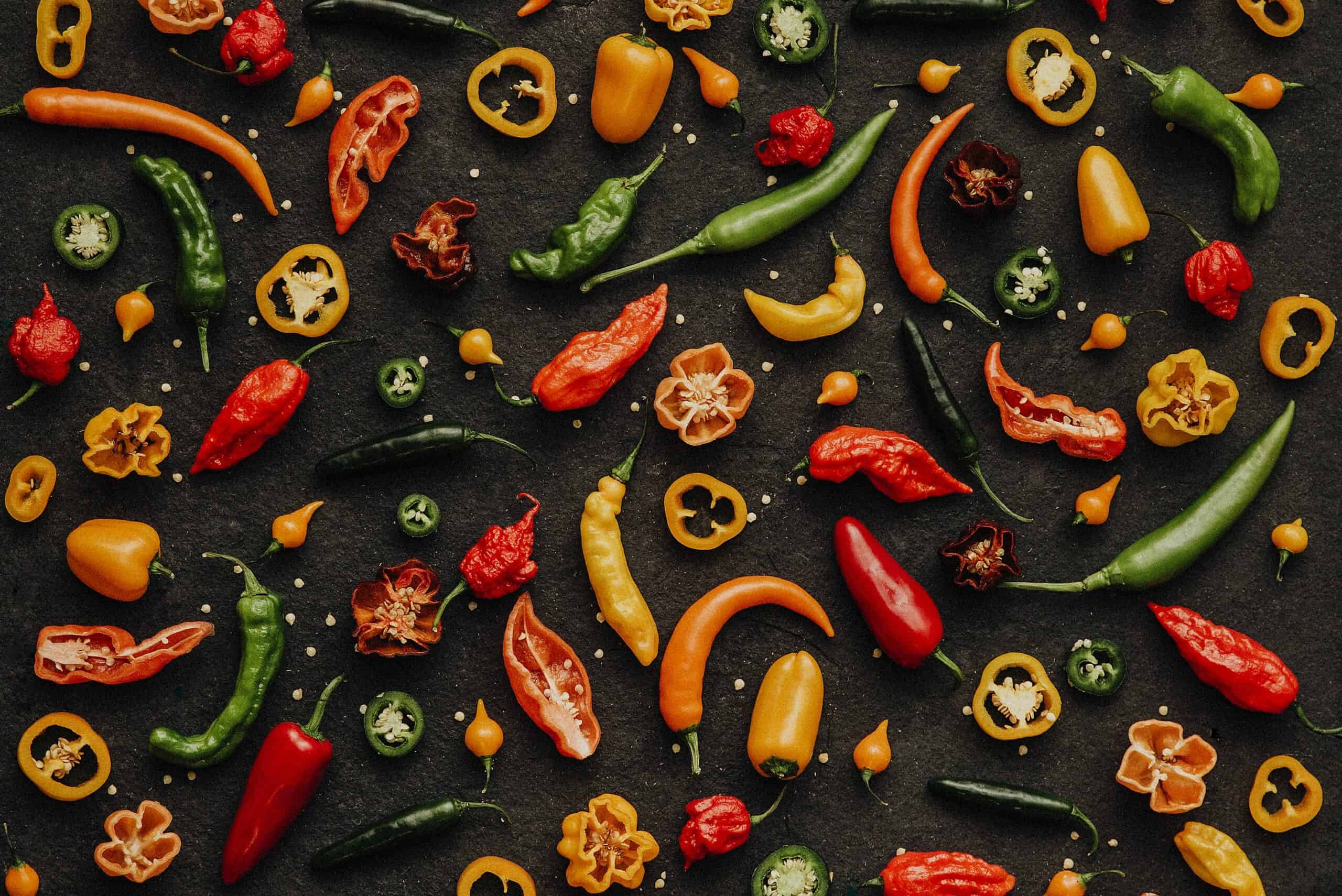
Chili peppers are essential in Indonesian cuisine and form the backbone of many dishes. They don't just add heat, but also depth and complexity to the flavor. They enhance and liven up the tastes in Indonesian cooking. Various peppers are used, from mild to extremely hot varieties, depending on the desired flavor and spiciness level of the dish.
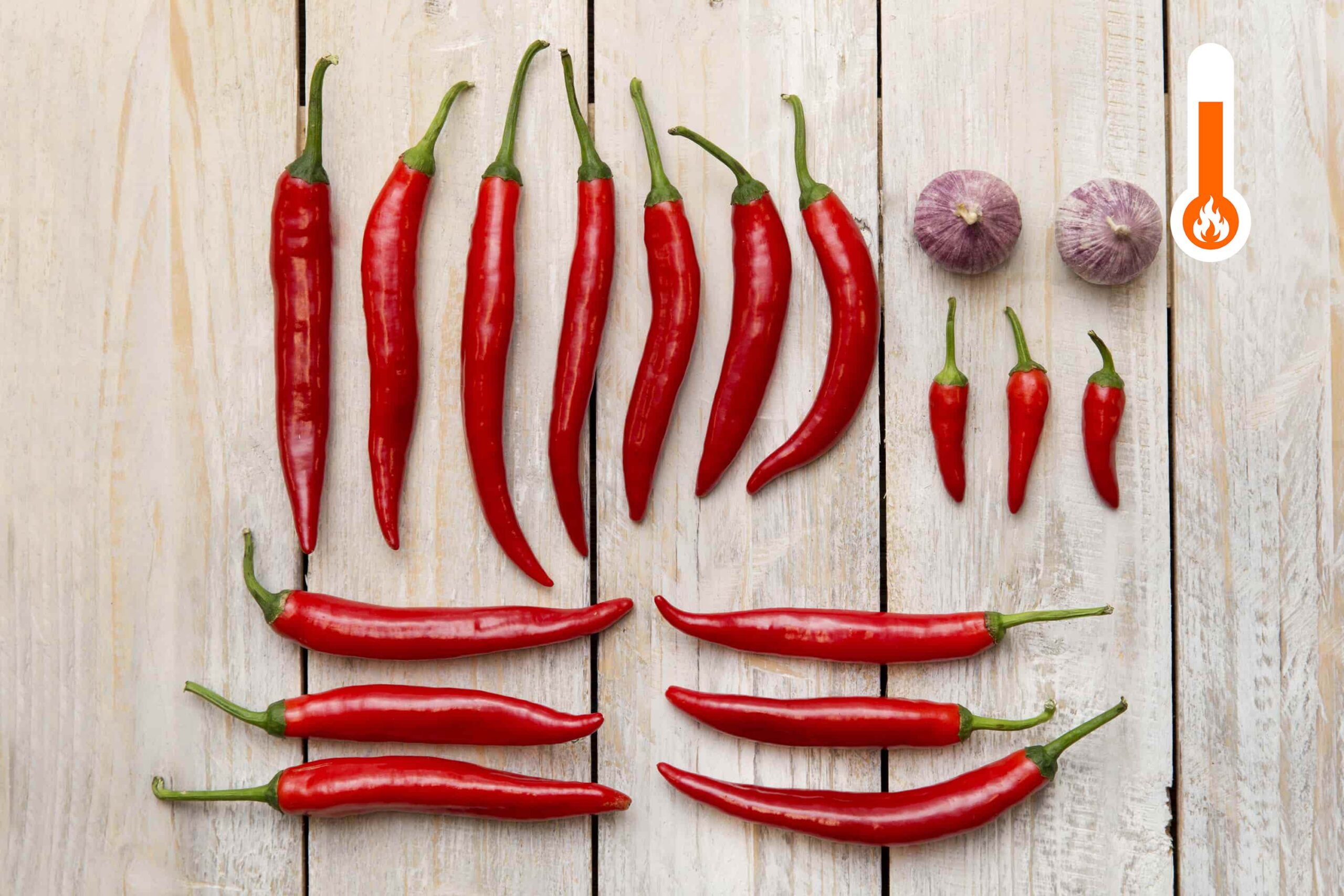
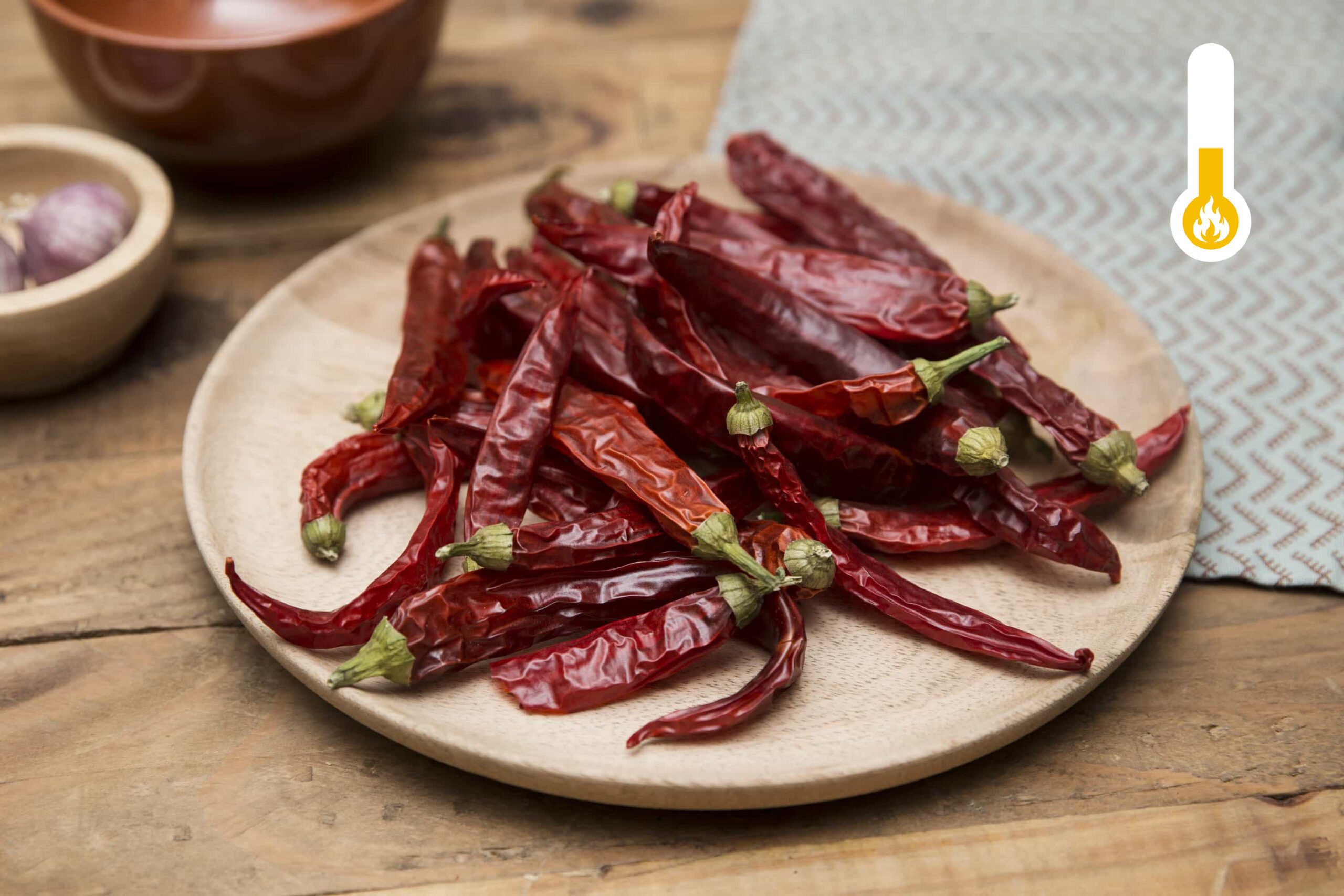
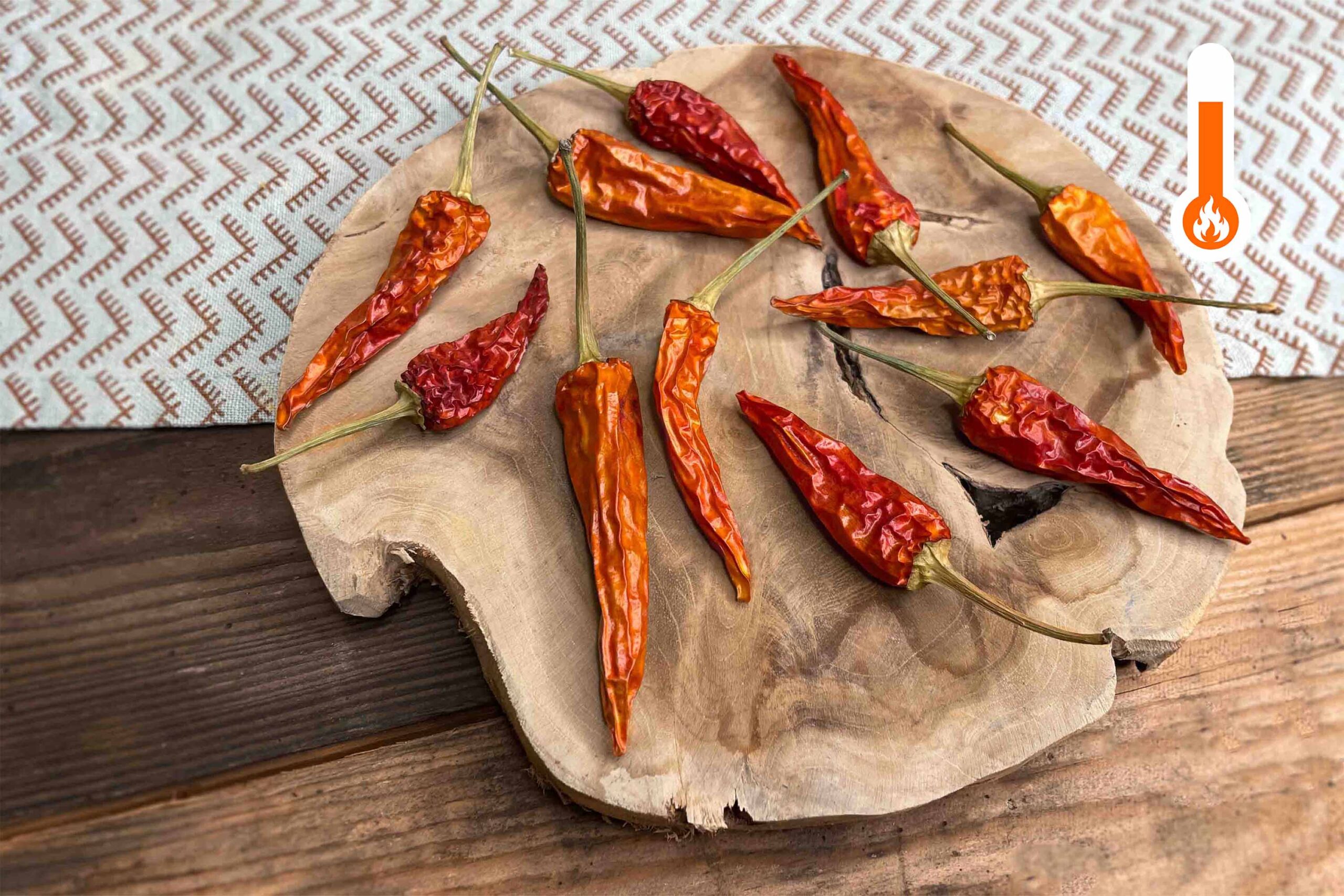
The most famous chili used in many Indonesian dishes is the cabai or lombok, which we also call Spanish pepper or Cayenne here in the Netherlands. It's not just used fresh, but also dried or in pastes and sauces. These chilies are often combined with other herbs and spices like garlic, ginger, shallots, and trassi (fermented shrimp paste) to create those characteristic flavor profiles so typical of Indonesian cuisine.
Rawit chili, also known as bird's eye chili, comes from Southeast Asia and is widely used in cuisines across countries like Indonesia, Thailand, the Philippines, and Malaysia. It's famous for its sharp taste and is often used to give dishes an intense kick of spice. In Indonesia, rawit chili is frequently used in sambal, sauces, curries, and other traditional dishes because of its strong flavor and heat.


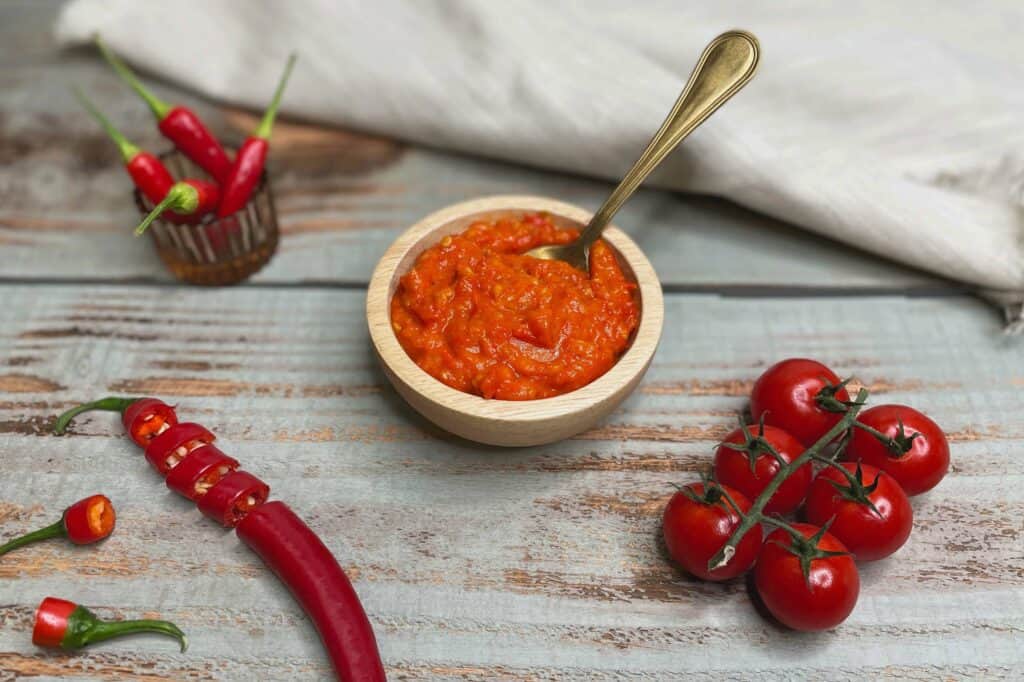
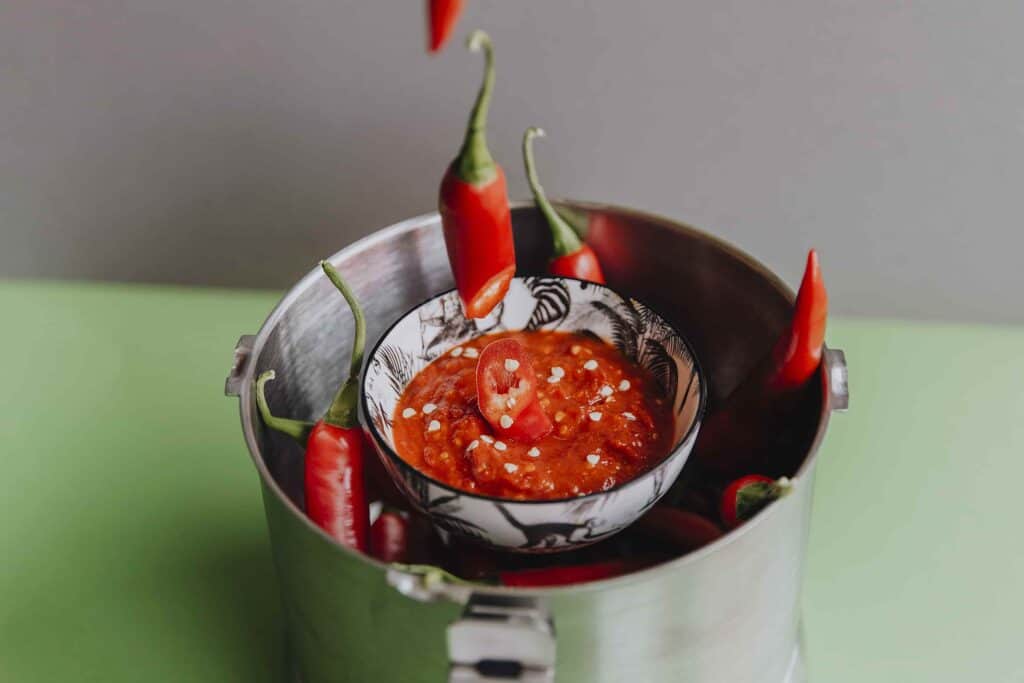
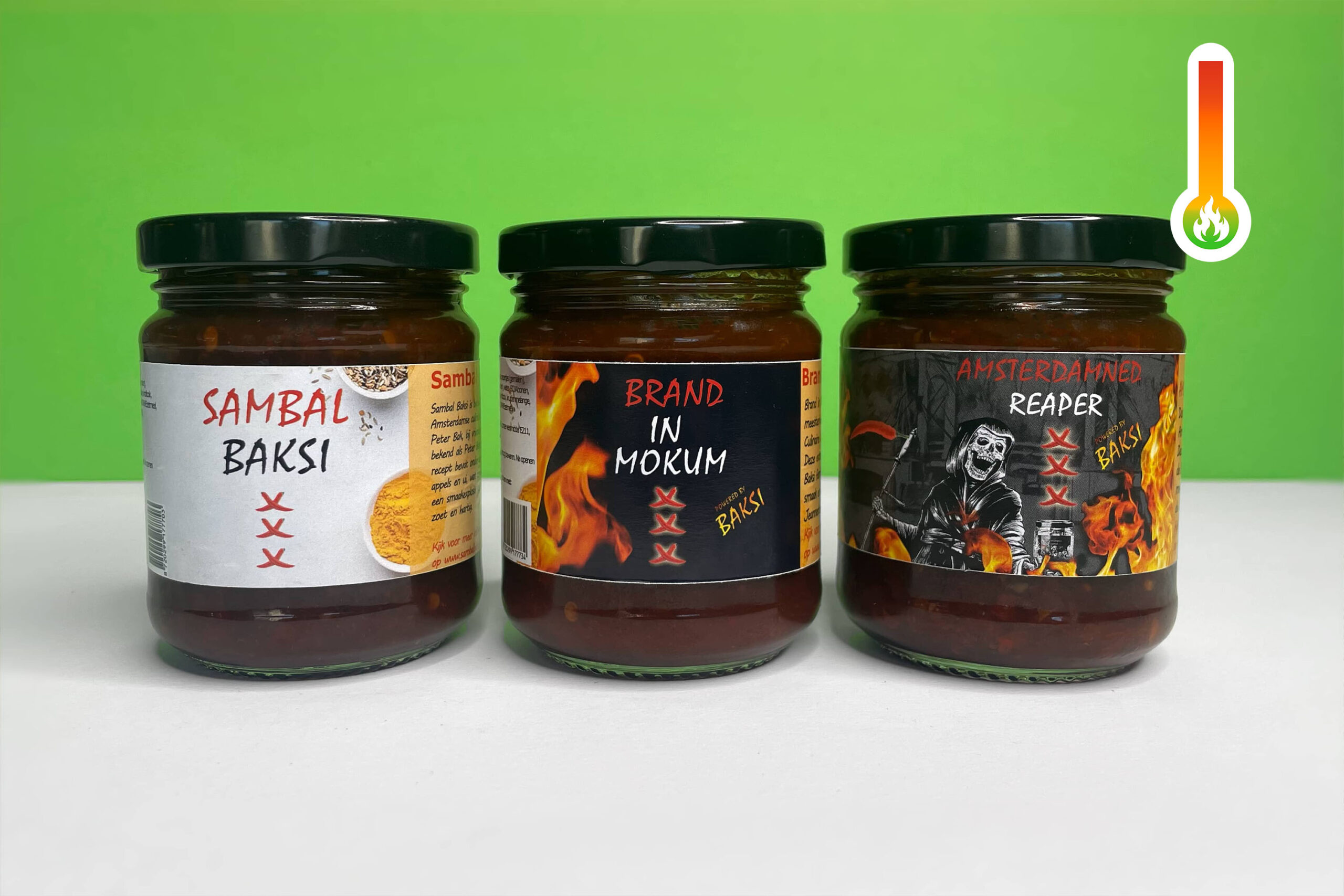
These peppers are also used to make another essential element in Indonesian cuisine: sambal. It's a spicy condiment that enriches dishes with an explosion of flavors. It's a seasoned sauce or paste made from chili peppers, often combined with other ingredients like garlic, shallots, trassi (fermented shrimp paste), lime juice, vinegar, and sometimes tomatoes or tamarind.
There are countless variations and family recipes for sambal, each with its own unique flavor profile, heat level, and regional influences. It's used as a flavor enhancer, dip, or side dish to spice up meals, from simple rice dishes to meat, fish, and vegetable creations. Some well-known Indonesian sambals include:
– Sambal Oelek: A basic sambal made from red chilies, often with added salt and vinegar. It has a simple, pure taste and is super versatile.
– Sambal Badjak: A fried sambal, prepared by grinding chilies, garlic, and shallots, then cooked into a thick paste. It gets a deeper flavor from frying the ingredients.
– Sambal Matah: A Balinese sambal made from raw ingredients like finely sliced red chilies, shallots, lime leaves, and lime juice. It's fresh and spicy, often served alongside grilled meat or fish.
– Sambal Tomaat: A sambal that balances spicy and umami, made from chilies, tomatoes, trassi, garlic, and sometimes palm sugar. The addition of tomatoes gives it a unique flavor.
Indonesia's food culture varies quite a bit from island to island. This is due to the country's vastness, diverse landscapes, and the different ethnic groups living on each island. Here's a look at some of the most important/largest islands:
Java
Java, the most populated island, boasts a cuisine famous for its perfect balance of sweet and savory flavors. Well-known Javanese dishes include Gudeg (a stew of young jackfruit with coconut milk and spices) and Soto (a flavorful soup packed with meat, herbs, and rice vermicelli). Herbs and spices like bay leaf, coriander, ginger, garlic, and tamarind are widely used and contribute to the unique taste of Javanese dishes. Tempeh (fermented soybeans) and tofu are often used as protein sources and are characteristic of many Javanese meals.


Sumatra
Sumatran cuisine has a bold and fiery flavor, often featuring spicy chilies, coconut milk, sereh (lemongrass), djintan (cumin), and other aromatic herbs. Rendang is originally a Sumatran dish, but it's enjoyed all over Indonesia. It's a dish of tender beef, coconut milk, and a mix of spices that create an unforgettable flavor explosion. Gulai (spicy curries) and Sambalado (a dish of meat or fish in a spicy chili sauce) are also common in Sumatran cuisine.
Bali and Nusa Tenggara
Balinese cuisine is a delicious mix of rich spices and fresh ingredients. Dishes like Babi Guling (suckling pig), Saté lilit (a type of satay made with meat on lemongrass), and Lawar (a traditional Balinese salad) really show off the island's culinary identity. Over in the Nusa Tenggara islands, the focus is on seafood, bringing those amazing ocean flavors into the dishes.
Sulawesi
Sulawesi's cuisine is diverse and influenced by indigenous cultures. Pallu Butung (grilled fish) and Coto Makassar (spicy beef soup) are some standout dishes. You'll find unique forest vegetables like Pucuk Labu (pumpkin shoots), Daun Katuk (leafy greens), and exotic meats here quite often.
Papua
Papuan cuisine features dishes with local produce, game, and fish. For example, sea cucumbers and shellfish are commonly eaten. A staple ingredient in Papuan cooking is Sago. It's extracted from the starch of the sago palm and is often used to make flat, thick pancakes or balls served as a side dish with various meals. You'll also find a lot of Papeda here. This is a thick porridge made from sago and is often served with a fish or meat sauce. A popular dish is Ikan Kuah Kuning (yellow fish soup).
Maluku Islands
Maluku cuisine is known for its vibrant and aromatic flavors, with spices like nutmeg, cloves, bay leaf, and lemongrass being widely used. Fish and shellfish also play a big role, as the islands are rich in seafood. Just like in Papua, Papeda is a common dish here too. Other popular dishes include ikan bakar (grilled fish), rica-rica (a spicy chicken or pork dish), and kohu-kohu (a salad of raw vegetables and sometimes fish in a spicy sauce).
Kalimantan (Borneo)
Kalimantan's cuisine, the Indonesian part of Borneo island, is shaped by the Dayak ethnic group and local ingredients like jungle produce (wild fruits, vegetables, and nuts) and freshwater fish. Bamboo is often used both as a cooking tool and an ingredient in Kalimantan cuisine. Dishes are prepared by steaming ingredients inside bamboo, which gives them a unique flavor and aroma.




Vanja van der Leeden

Maureen Tan

Sara Richter, Nico Stanitzok

Mirjam van der Rijst & Harold Pereira

Mete van den Boomen

Lara Lee
English

Zwolle

The Hague

Amsterdam

Maastricht

Amsterdam, Utrecht

Roosendaal

Arnhem

Brussels

The Hague

Utrecht
The Hague

Paris


Ep 4: Yogyakarta, Indonesia
Netflix

| Monday | 8:00 AM - 5:00 PM |
|---|---|
| Tuesday | 8:00 AM - 5:00 PM |
| Wednesday | 8:00 AM - 5:00 PM |
| Thursday | 8:00 AM - 5:00 PM |
| Friday | 8:00 AM - 5:00 PM |
| Saturday | from 8:00 to 12:00 |
| Sunday | Closed |
Burg. Crezeelaan 44A
2678 KZ De Lier
© Westlandpeppers | Webshop by Buro Staal
Due to the holiday, our online store will be closed on Friday. Orders placed after 9:30 a.m. on Thursday, July 23, will not be processed and shipped until Monday, July 27. Pickup on Friday and Saturday will also not be available. Please keep this in mind and place your order in time. Thank you for your understanding, and have a great summer!
Our webshop will be closed this coming Friday. Orders placed after 9:30 AM on Thursday, July 31st, will be processed and shipped again on Monday. Thanks for your understanding!