
Here's how to dry your own peppers
Got some fresh peppers left over? You can easily dry them yourself! This makes them last longer and helps reduce food waste. Check out our blog here for the best ways to dry your own peppers, plus some extra tips.

Share:
Share:
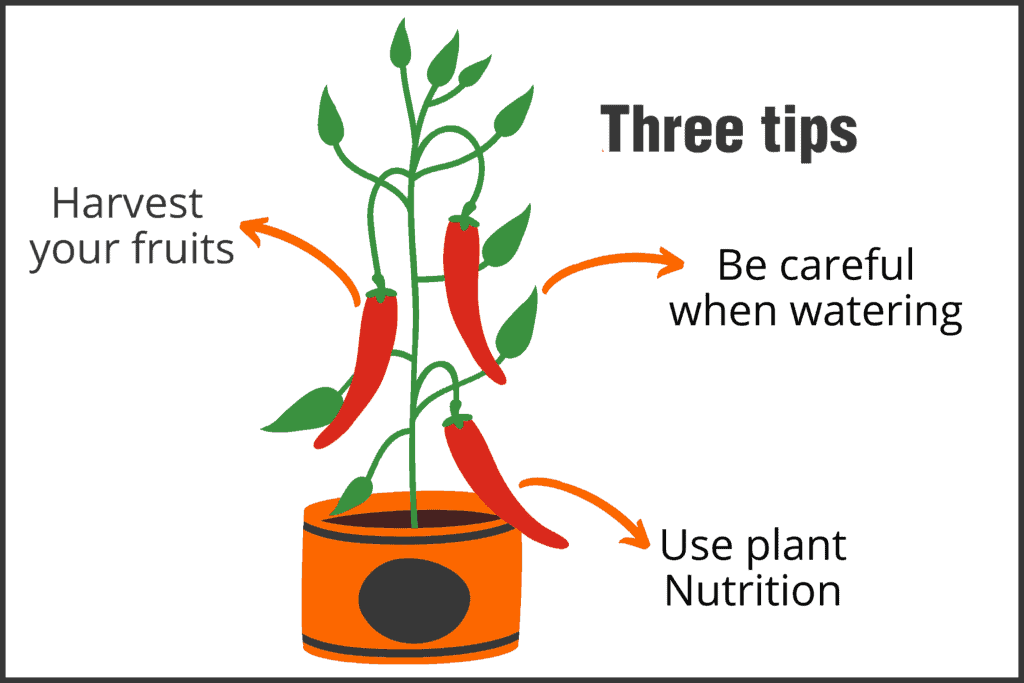
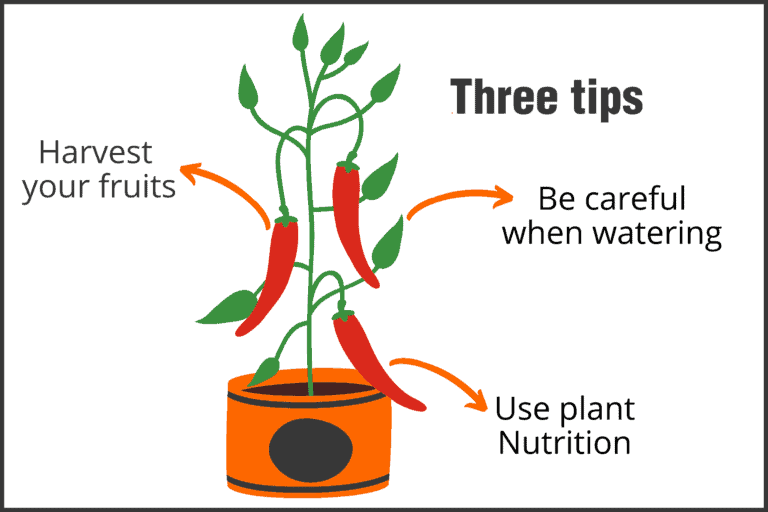
Having a pepper plant on your balcony or in your garden looks super nice, but it's even better when you can actually harvest your own homegrown peppers from it! We often get questions from people who are trying this at home. Many manage to grow a few plants from seeds in the spring. But sometimes things go wrong after that, because once your pepper plant has survived all the gusts of wind, downpours, and the hottest week of June, there comes a time when quite a few fruits are hanging on the plant. And that's when your plant starts to struggle...
Often, the plant is in a pot on the balcony or directly in the ground in the backyard. At this stage, your pepper plant needs a lot of nutrients because it's loaded with fruits that demand everything from the plant. The basic nutrients in the potting soil or garden soil are often depleted at this point, so you'll need to supplement them. Sprinkling fertilizer pellets won't do much good, as they're designed to release their nutrients slowly, and your pepper plants need nutrients 'now'. You can often spot a nutrient deficiency by discolored leaves and leaf drop (when leaves fall off). Use liquid fertilizers; you can buy these everywhere nowadays, and even a 'cheaper' bottle from the supermarket or Action will work just fine. Just stick to the dosage on the label, and you can't go wrong.
As a true enthusiast, you're naturally super proud when your plant is full of colorful peppers, and you'd love to see it completely covered in red ones. Unfortunately, your plants have other ideas, and it's a must to regularly harvest the ripe fruits. You'll find that by doing this, you'll ultimately get more fruits from your plants.
Once the longest day in late June has passed and you're carefully heading towards August with a plant full of peppers, you need to be careful not to overwater, because pepper plants don't like that either. Pepper plants naturally don't have a huge, sturdy root system, so the risk of overwatering is significant. A good tip if your plant is in a pot is to occasionally lift it to gauge its weight. This will give you an idea of the pot's weight when your plant is happy. If the pot's weight feels right, you can easily skip watering sometimes or just give it a little bit of water. It's also no big secret that most houseplants in living rooms meet their end more often from too much water than too little.
Got some fresh peppers left over? You can easily dry them yourself! This makes them last longer and helps reduce food waste. Check out our blog here for the best ways to dry your own peppers, plus some extra tips.
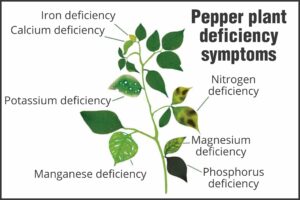
We know many pepper lovers also enjoy growing their own peppers. In this blog, you'll find a quick overview of the nutrients needed for your pepper plants to grow healthy.

The Scovillians have a YouTube channel where they review spicy food. Check out their videos here, where they eat and review different Westlandpeppers!
| Monday | 8:00 AM - 5:00 PM |
|---|---|
| Tuesday | 8:00 AM - 5:00 PM |
| Wednesday | 8:00 AM - 5:00 PM |
| Thursday | 8:00 AM - 5:00 PM |
| Friday | 8:00 AM - 5:00 PM |
| Saturday | from 8:00 to 12:00 |
| Sunday | Closed |
Burg. Crezeelaan 44A
2678 KZ De Lier
© Westlandpeppers | Webshop by Buro Staal
Our webshop will be closed this coming Friday. Orders placed after 9:30 AM on Thursday, July 31st, will be processed and shipped again on Monday. Thanks for your understanding!