
Red Peppers VS. Green Peppers
Peppers come in many different colors, but red and green are the most common. Check out our blog here to learn about the differences between red and green peppers.

Share:

Share:
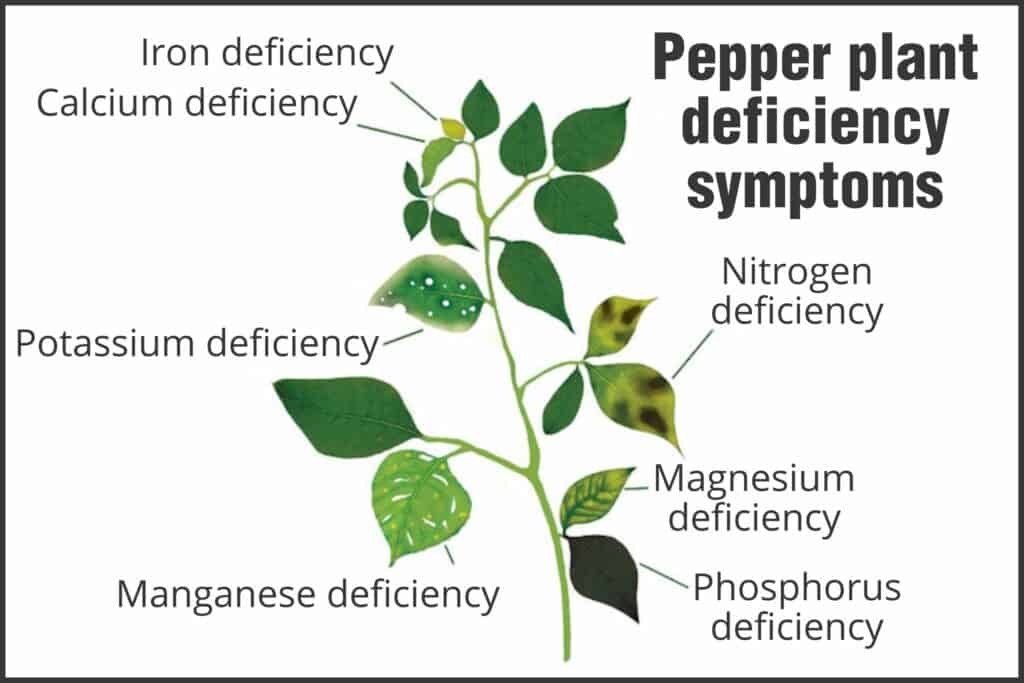
We often get questions from people, especially towards the end of summer, about problems with their pepper plants. A common reason is that folks forget how important good fertilization is for a fruit-bearing plant like a pepper plant. Luckily, you can easily use general plant food for this, which is available in many stores.
On the English website, worldofchillies, you'll find a great infographic explaining the common deficiency symptoms you might see in peppers. We've made a Dutch translation of it so you can figure out what's going on if your pepper plants aren't looking so healthy. And if things really don't work out and your plants give up, you can always order your much-needed peppers from our webshop.

Peppers come in many different colors, but red and green are the most common. Check out our blog here to learn about the differences between red and green peppers.

Fresh herbs add amazing flavor to your dishes, but they often don't last long. Read our blog here on how to keep them fresh longer, and how to store them for extended periods.

We're big fans of Nick Toet and his YouTube channel, Eten met Nick! Every week, he shares new recipes, often using peppers to spice up his dishes. Check out the videos here where he uses Westlandpeppers peppers.
| Monday | 8:00 AM - 5:00 PM |
|---|---|
| Tuesday | 8:00 AM - 5:00 PM |
| Wednesday | 8:00 AM - 5:00 PM |
| Thursday | 8:00 AM - 5:00 PM |
| Friday | 8:00 AM - 5:00 PM |
| Saturday | from 8:00 to 12:00 |
| Sunday | Closed |
Burg. Crezeelaan 44A
2678 KZ De Lier
© Westlandpeppers | Webshop by Buro Staal
Due to the holiday, our online store will be closed on Friday. Orders placed after 9:30 a.m. on Thursday, July 23, will not be processed and shipped until Monday, July 27. Pickup on Friday and Saturday will also not be available. Please keep this in mind and place your order in time. Thank you for your understanding, and have a great summer!
Our webshop will be closed this coming Friday. Orders placed after 9:30 AM on Thursday, July 31st, will be processed and shipped again on Monday. Thanks for your understanding!