- Direct from the grower
- Freshly shipped
- Quick delivery & pick-up point
- Spicy support


Korea, a peninsula in East Asia, is famous for its rich history, vibrant culture, and super flavorful cuisine. Divided into two countries, North Korea and South Korea, it offers a fascinating mix of traditional and modern elements. From ancient palaces and Buddhist temples to bustling cities packed with innovation and technology. Korean cuisine features a variety of dishes with unique flavors. It's a huge part of their culture and has become popular worldwide.
Korean cuisine is all about rice, noodles, meat, veggies, fish, seaweed, and tofu (dubu in Korean). These are usually seasoned with soy sauce, fermented soybean paste, garlic, ginger, red chili, and sesame oil. A key feature of this cuisine is banchan – that's the collective name for small side dishes like kimchi and other little bites that are always served with meals.
Korean food has totally taken over the world, and for good reason! The flavors are addictively delicious, the techniques are super innovative, and it's often really healthy too.
Korea was one country until August 15, 1945. On that day, the Japanese surrendered, officially ending World War II. Korea, which had been occupied by Japan since 1910, was then split into two parts. The north was governed by the Russians, and the south by the Americans. After the Korean War, a 3-year conflict, the border that had separated the north and south at the start of the conflict became permanent.
Because of this, the cuisines are pretty similar, but over the years, some differences have naturally popped up. For example, the main difference between North and South Korean food is how spicy it is. Food in the south tends to be a bit hotter. While North Korea definitely uses chili to flavor its dishes, it's often more subtle than in South Korea. And since North Korea is one of the most mysterious and isolated countries in the world, we don't know much about how their current cuisine is evolving. What we usually associate with and know about Korean food is often based on South Korean cuisine.
What we do know is that North Korean cuisine hasn't been touched by foreign influences. And due to economic restrictions and political isolation, they often have limited access to ingredients and different food varieties. This can lead to a more restricted diet in the north, focusing on simple, traditional dishes made with seasonal ingredients.


Rice is a super important food crop throughout Korea, and both North and South Korean cuisines use it extensively. Rice is often served as the main part of a meal and forms the base for many dishes. Unlike in Japan, rice isn't eaten with chopsticks; instead, people use a spoon.
Plus, there are lots of dishes featuring noodles, often made from wheat, sweet potato starch, or buckwheat. These noodles are served in soups or with stir-fried dishes. And guess what? Noodles *are* eaten with chopsticks, just like the side dishes!
Korea has a long history of fermenting food, which has led to the development of fermented products like kimchi, doenjang (fermented soybean paste), and gochujang (fermented red pepper paste). These fermented foods are a key part of Korean cuisine and are often used as banchan (side dishes) or flavor enhancers.
Kimchi isn't the only iconic dish; tasty favorites like bulgogi (marinated grilled meat), bibimbap (rice bowl with various toppings), and kimchi jjigae (kimchi stew) are super popular too. And it's not just about how the food tastes; a lot of effort often goes into the presentation as well, usually with vibrant colors and plenty of banchan (side dishes).
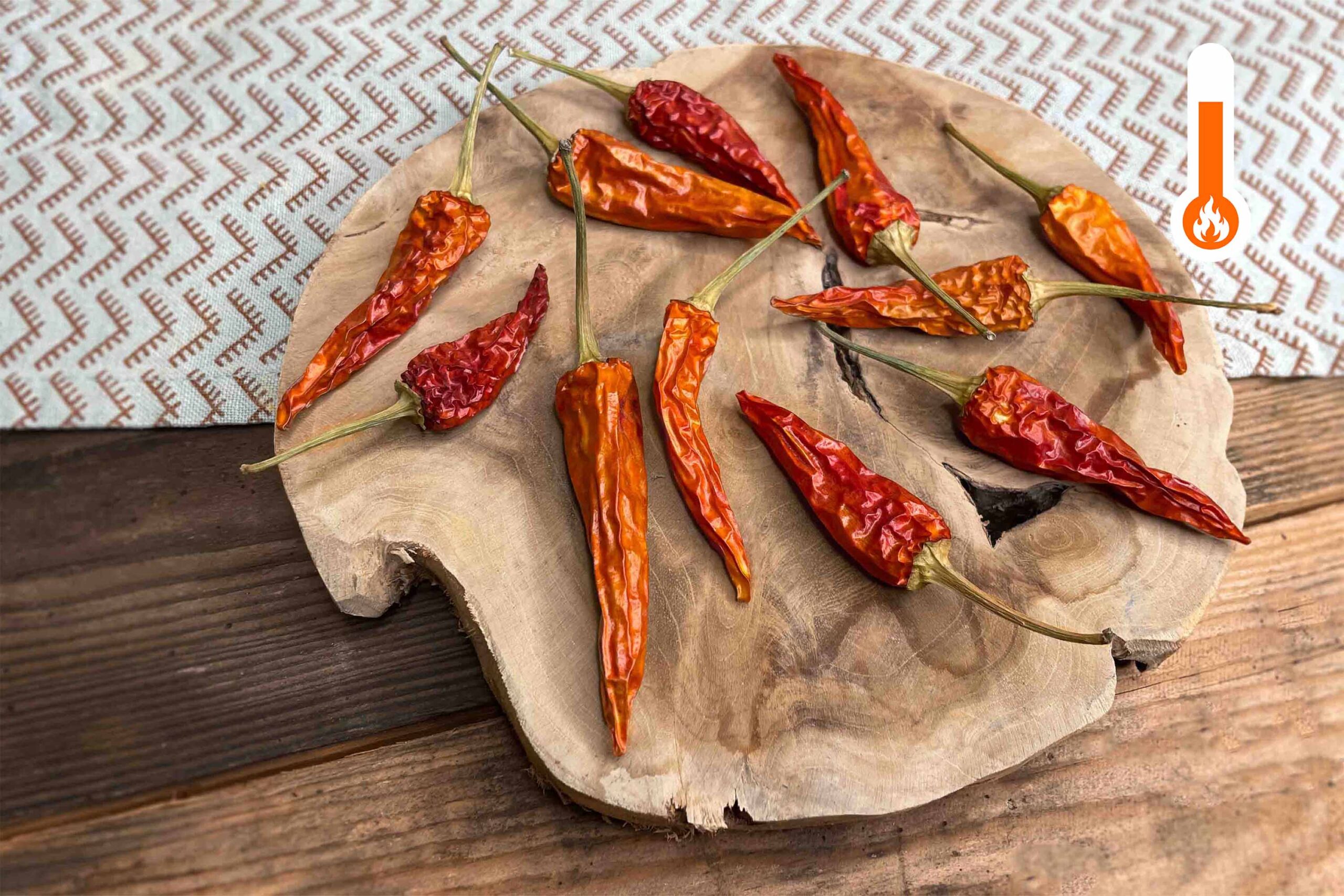
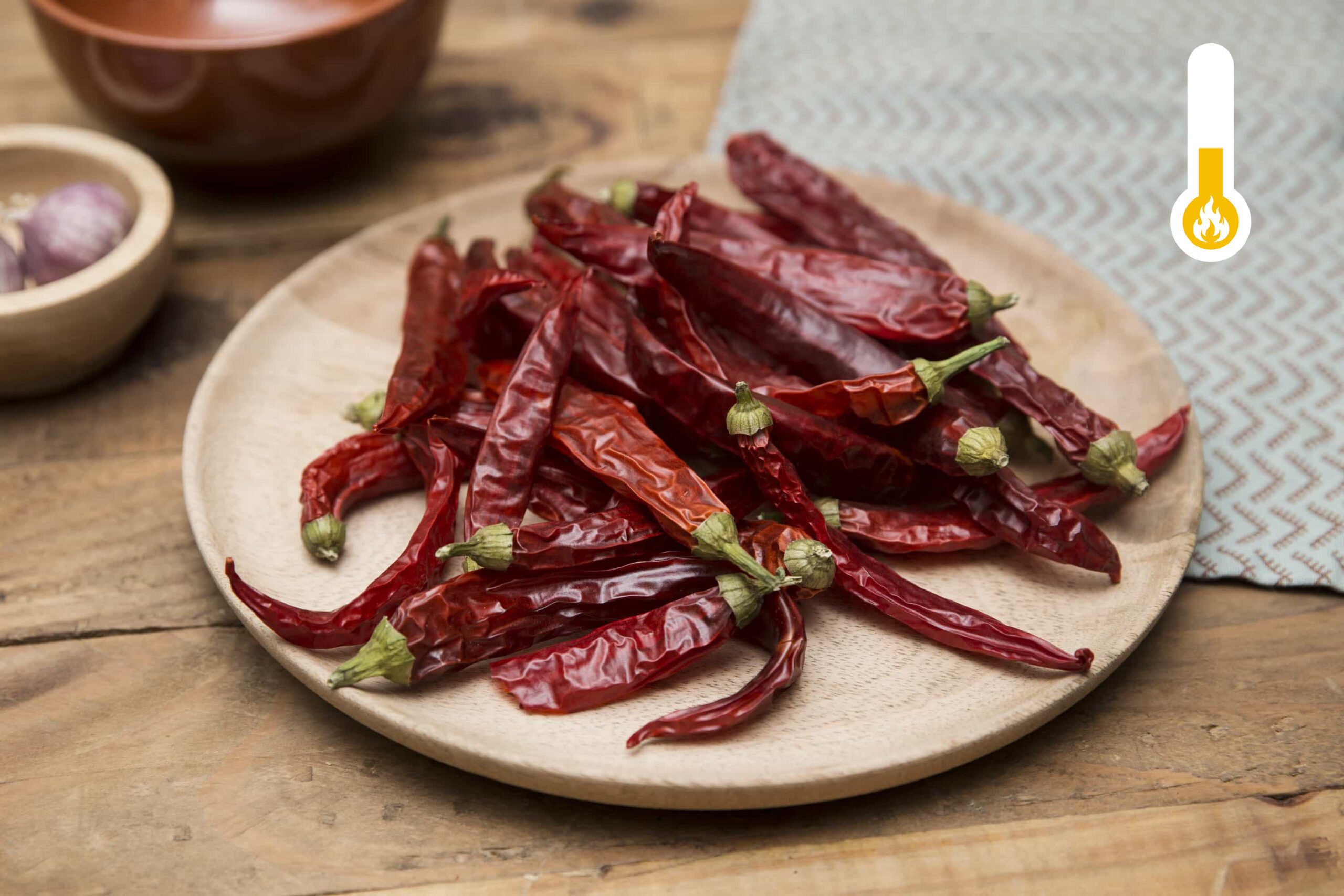
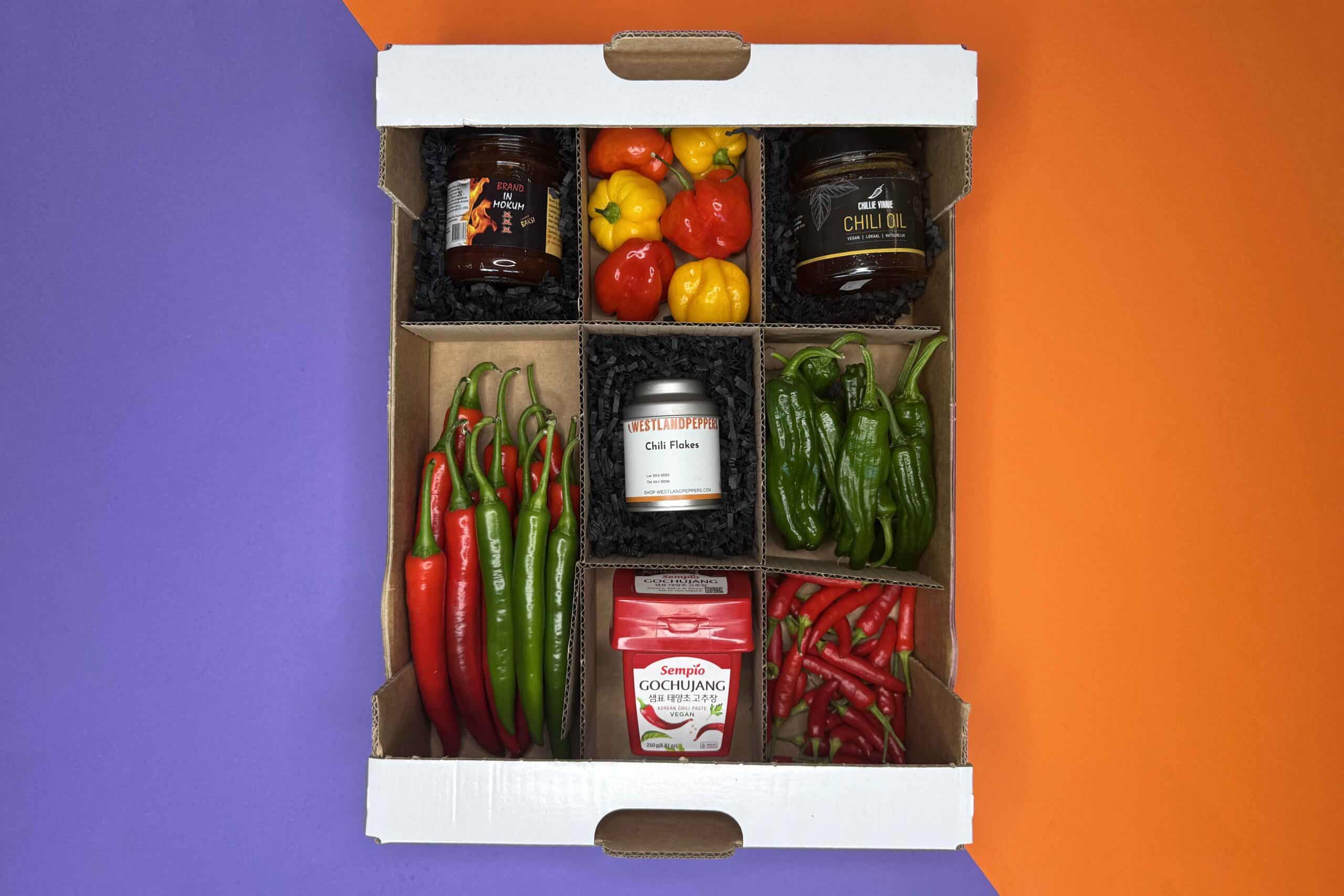
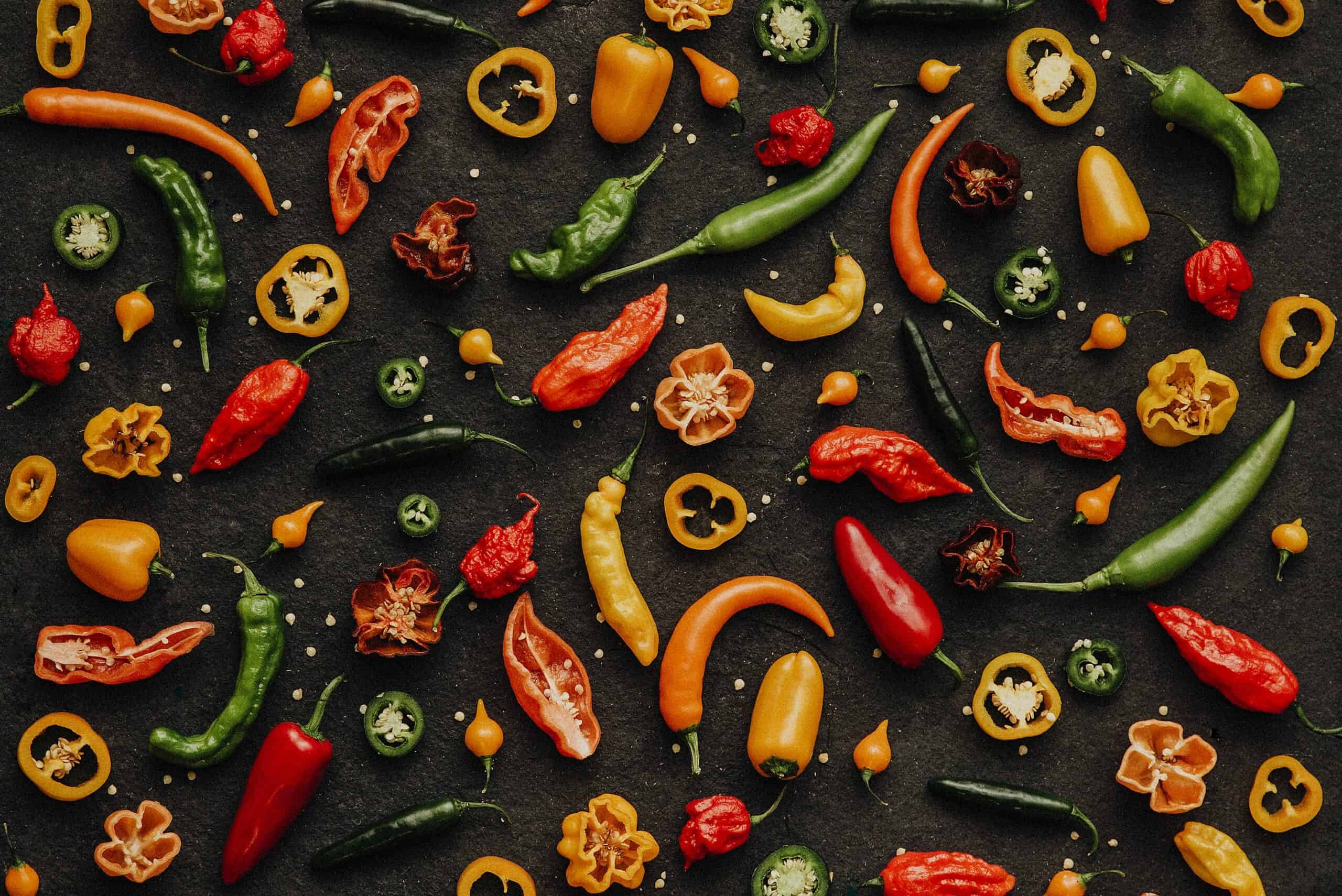
Korean cuisine is famous for its love of spicy food, and chili peppers are used in almost every dish to add flavor. From mild to extremely hot, there's something for every taste preference.
Gochu (고추) is Korean for chili pepper. “Gochu” can also specifically refer to: Korean chili pepper. Green peppers are called put-gochu and red ones hong-gochu. Korean peppers are used in all aspects of their cuisine. Not just in main courses, but also in side dishes and sauces. Side dishes like kimchi and other pickled vegetables are often flavored with chili peppers, giving them an extra kick. Plus, chili peppers are frequently added to sauces and dips to bring a spicy flavor to dishes like bibimbap and kimbap.
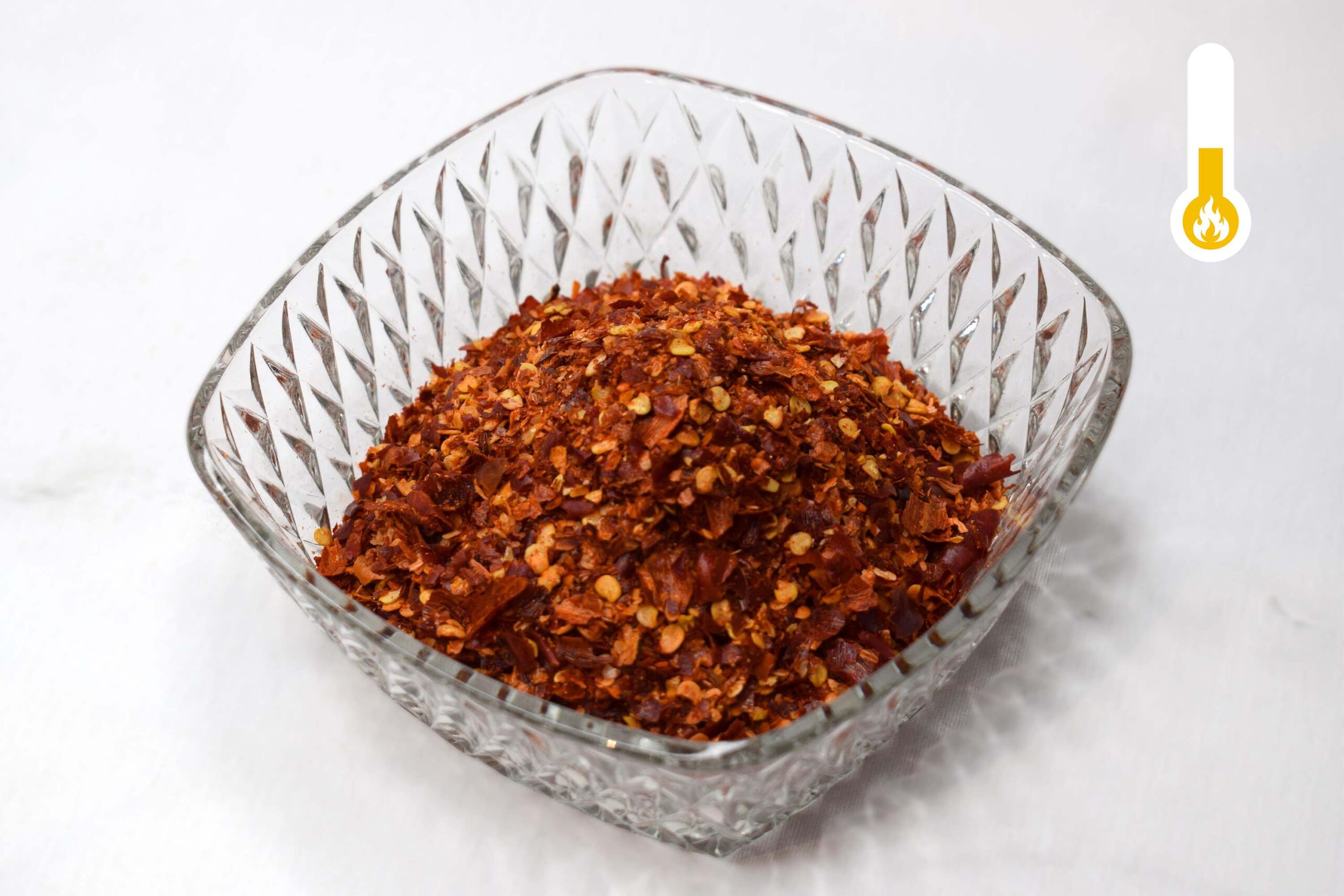
Gochugaru is a super important ingredient in Korean cuisine. It's a chili powder made from ground dried red peppers. It adds extra color, spiciness, and a subtle sweetness to dishes. Its sweet flavor makes it unique compared to the Cayenne/chili powder we know here in the Netherlands. It's widely used in kimchi, stews, and various sauces.
Another essential product in Korean cuisine is Gochujang. This is a fermented paste made from chili peppers, rice, fermented soybeans, and salt. It has a unique flavor that's sweet, savory, and spicy. Gochujang is often used as a base for sauces, stews, and marinades, like for Korean chicken.


Fermentation is an ancient technique used to preserve food, make it last longer, and boost its flavor. In Korean dishes, fermentation naturally transforms ingredients, giving them a super complex taste.
Kimchi, made from fermented cabbage and other veggies, is the most famous example of fermentation in Korean cuisine. Kimchi's fermentation process happens thanks to lacto-fermentation, using natural bacteria like lactobacilli to ferment the vegetables. The base of kimchi is a mix of cabbage, carrots, radish, and a spice blend of garlic, ginger, and red pepper. Over time, kimchi develops its signature spicy flavor and crunchy texture, making it a versatile side dish served with almost every Korean meal.
While the most famous type of kimchi is made from cabbage, there are tons of regional variations and seasonal recipes out there. These variations can include different kinds of vegetables, fruits, fish, or seafood, depending on what's available and what people in the region prefer.
Besides adding amazing flavor to dishes, fermented foods like kimchi offer loads of health benefits. Kimchi is packed with fiber, vitamins, and minerals, while the probiotics created during fermentation can help support gut health and boost your immune system.
In Korea, people are absolutely crazy about barbecuing, whether it's on a small gas stove in a restaurant or over a charcoal fire. And this isn't just popular in Korea; you're seeing Korean BBQ restaurants pop up more and more worldwide. It's loved for its combo of flavorful, tender meat and the fun social experience with family and/or friends.
Korean Barbecuing is also known as “gogi-gui.” The word “gogi” simply means “meat” in Korean, while “gui” refers to grilling. The grill is usually built right into the dining table, letting guests grill their own meat while they chat. It all starts with picking out high-quality meat, like beef (bulgogi), pork belly (samgyeopsal), or chicken (dak-galbi). The meat is then thinly sliced and often marinated in a mix of soy sauce, sesame oil, garlic, and sugar. This marinade doesn't just add flavor; it also helps make the meat super tender.
A classic way to enjoy Korean barbecue is by wrapping pieces of grilled meat in lettuce leaves, along with a bit of rice, sauce, and banchan (side dishes). This creates a super tasty and refreshing bite that brings together all sorts of flavors and textures.


Kimbap (김밥): It's kind of like sushi, but with Korean flavors! It's a roll of rice, pickled veggies, meat or fish, and sometimes egg, all wrapped in toasted seaweed and sliced up.
Japchae (잡채): This dish features stir-fried noodles with veggies, meat (usually beef), and sometimes mushrooms. It's seasoned with soy sauce, sesame oil, and sugar, and tastes great whether it's hot or cold.
Tteokbokki (떡볶이): This is a popular street food dish with chewy rice cakes smothered in a spicy sauce. The rice cakes are made from glutinous rice flour and cooked until they're soft and delightfully chewy, then mixed with a sauce made from gochujang (Korean chili paste), soy sauce, and sugar. The result is an explosion of sweet, spicy, and savory flavors!
Kimchi Jjigae (김치찌개): A spicy stew made with kimchi, pork, tofu, and veggies. It's considered total comfort food, especially enjoyed on chilly days, and usually served with rice.


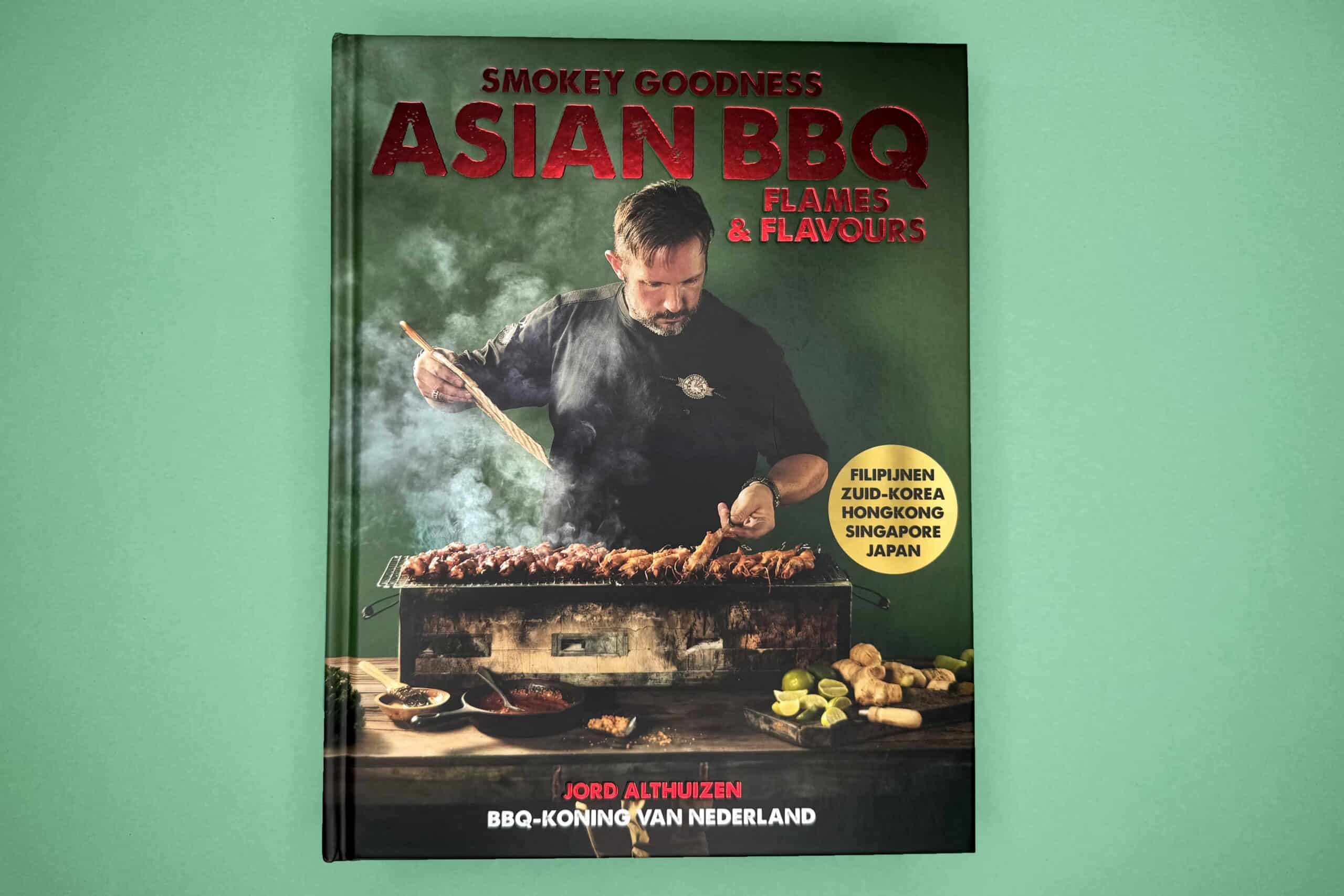
Jord Althuizen

Joanne Lee Molinaro

Caroline Hwang


Ae Jin Huys

Aaron Huh
English

Rotterdam & Amsterdam

Rotterdam

The Hague

Amsterdam, Rotterdam, Eindhoven & Antwerp

Arnhem

Amsterdam

Utrecht

The Hague

Paris
S3: Jeong Kwan
Netflix

S1 Ep 5: BBQ
Netflix

NPO

Ep 6: Seoul, South Korea
Netflix

Seoul, South Korea
Netflix

S3 Ep 4: Seoul
Netflix

Ep 2: Jang – Korean Fermented Sauce
Netflix
| Monday | 8:00 AM - 5:00 PM |
|---|---|
| Tuesday | 8:00 AM - 5:00 PM |
| Wednesday | 8:00 AM - 5:00 PM |
| Thursday | 8:00 AM - 5:00 PM |
| Friday | 8:00 AM - 5:00 PM |
| Saturday | from 8:00 to 12:00 |
| Sunday | Closed |
Burg. Crezeelaan 44A
2678 KZ De Lier
© Westlandpeppers | Webshop by Buro Staal
Due to the holiday, our online store will be closed on Friday. Orders placed after 9:30 a.m. on Thursday, July 23, will not be processed and shipped until Monday, July 27. Pickup on Friday and Saturday will also not be available. Please keep this in mind and place your order in time. Thank you for your understanding, and have a great summer!
Our webshop will be closed this coming Friday. Orders placed after 9:30 AM on Thursday, July 31st, will be processed and shipped again on Monday. Thanks for your understanding!