- Direct from the grower
- Freshly shipped
- Quick delivery & pick-up point
- Spicy support


Japan is nestled in East Asia, made up of four main islands (Honshu, Hokkaido, Kyushu, and Shikoku) plus thousands of smaller ones. Even with its busy, high-tech vibe today, Japan really shines with its simplicity, tradition, and harmony. You'll definitely spot this in Japanese cuisine too, where culinary traditions are super deeply rooted in the country's culture and history.
Japanese cuisine is famous for its amazing balance of flavors, textures, and how it's presented. Food presentation is a really big deal! Every dish is put together with incredible precision and simplicity, often taking nature as its main inspiration.
Sushi, with its versatility and sophistication, has really become an international symbol of Japanese cuisine. The combination of fresh fish, perfectly prepared rice, and beautiful presentation truly appeals to people all over the world.
Japanese cuisine is famous for using some pretty unique ingredients and flavors that are the foundation of many dishes. These dishes have super balanced flavors, where sweet, salty, sour, and umami all come together perfectly. Umami means 'essence of deliciousness' in Japanese, and it's often described as a savory, full-bodied taste that really gives a dish depth.
Rice
Rice is totally the backbone of Japanese food and the base for so many dishes. The quality of the rice is super important, and the way it's prepared and seasoned with vinegar makes it an absolute must-have in sushi and lots of other dishes.
Fish
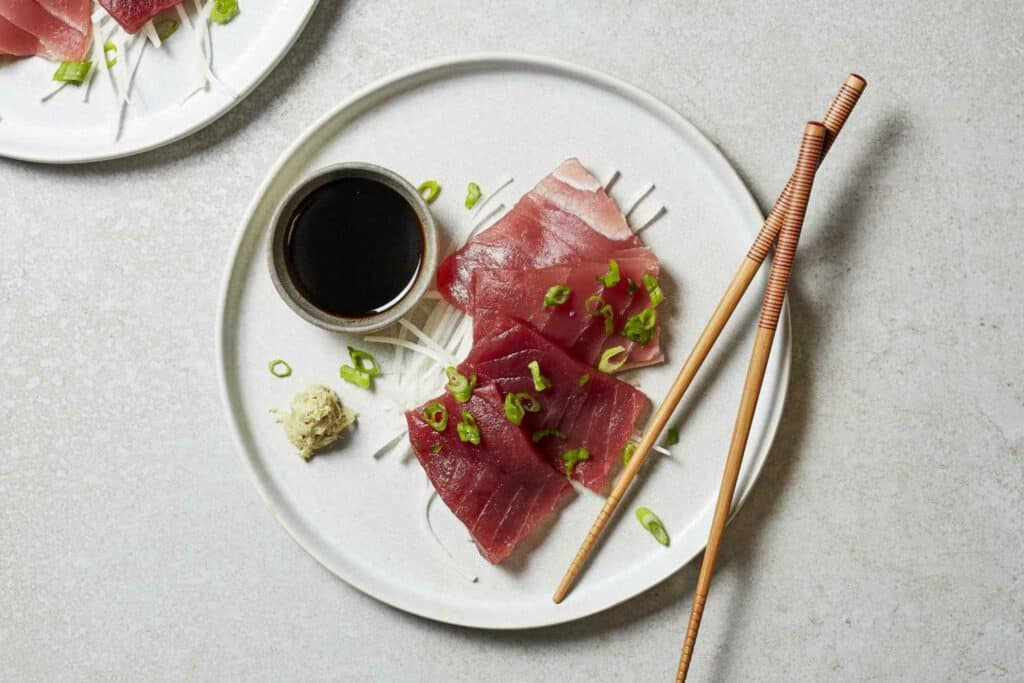
Being an island nation, Japan has a super rich fish culture. Fresh fish, like salmon, tuna, mackerel, eel, and trout, is used a lot in sushi, sashimi, and other dishes. Seafood such as shrimp, squid, crab, and lobster are also really popular. The fish and seafood are often eaten raw or lightly cooked to keep their natural flavors intact. Another Japanese fish specialty is Shiokara, where fish is salted and fermented, usually made from the entrails of squid, sardines, or mackerel.
Soy Sauce
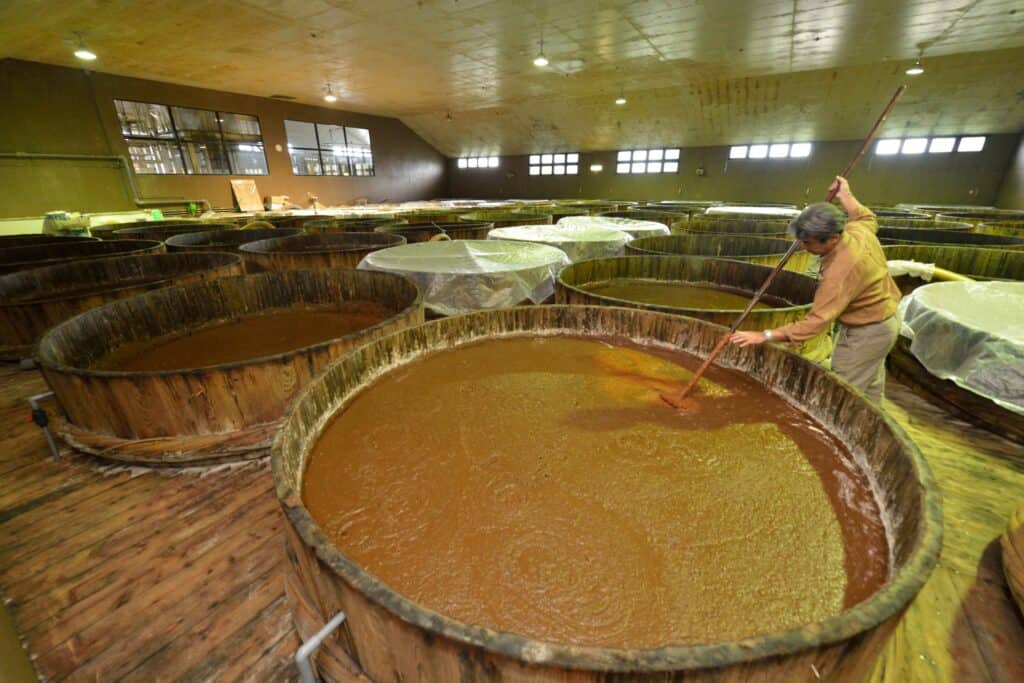
When making traditional soy sauce, they use four main ingredients: soybeans, wheat, salt, and water. Fermentation is a big part of the process, and the longer the soy sauce ferments, the deeper its flavor gets. Brewers can spend months or even years making high-quality soy sauce. It's used as a dipping sauce, a flavor booster, and a marinade.
Wasabi
This spicy green paste, which comes from the wasabi plant, is often mixed with soy sauce and used as a zesty kick with sushi and sashimi. More common and cheaper versions of wasabi are actually made with horseradish.
Seaweed
Nori is dried seaweed that's used to roll sushi and as a garnish. It has a distinctive salty taste and adds texture and umami to dishes. Wakame is another type of fresh seaweed that's super popular in Japanese cuisine. It has a crunchy bite with loads of flavor and aroma and is delicious as a topping or filling in sushi, sashimi, and salads.
Miso
Miso is a paste made from fermented soybeans. It's used to make miso soup and is a great base for sauces and marinades. It comes in different types, from sweet to savory, and really adds depth and complexity to dishes.
Dashi
Dashi is a broth that's used in Japanese cooking as the base for tons of recipes. This fish broth is made from Kombu (seaweed) and Bonito flakes (dried, smoked, and fermented tuna).
Matcha
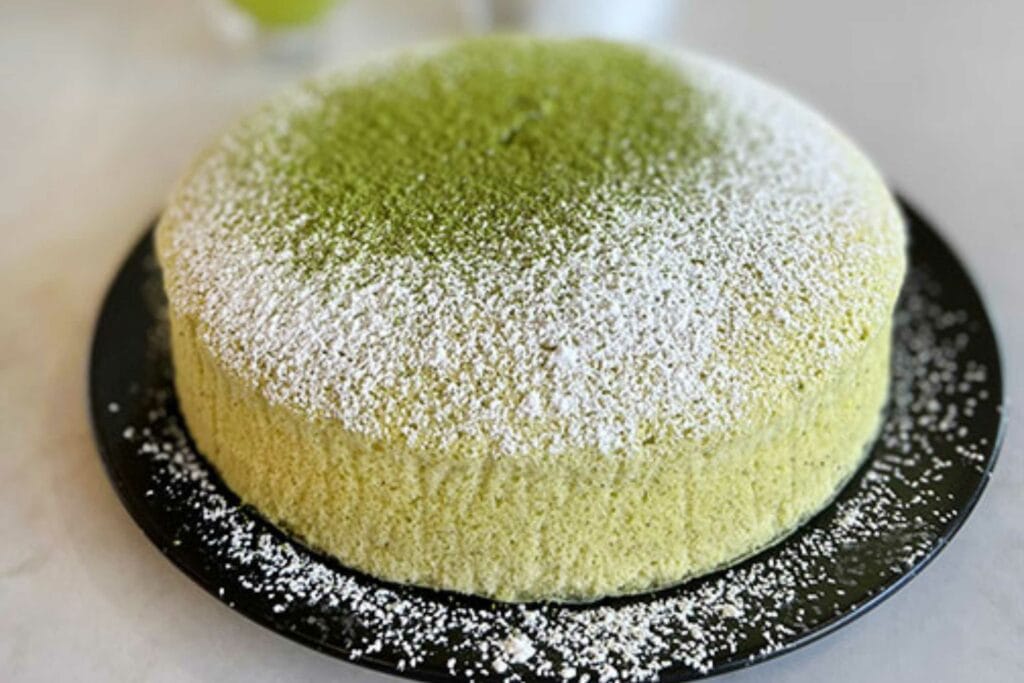
This is a finely ground green tea with a rich, earthy flavor. It's popular for tea ceremonies, but you'll also find it in cakes, ice cream, and even some savory dishes.
Rice Wine
Sake is a Japanese rice wine made by fermenting rice, not distilling it. It's served in special carafes (tokkuri) and small cups (choko or sakazuki). You can enjoy it both warm and cold, depending on the sake and what you prefer. Sometimes it's gently shaken before serving. It's meant to be sipped slowly to really appreciate all the flavors. You can also use it for cooking!
Mirin is Sake's low-alcohol, sweet cousin, often made with 40-50% sugar. Mirin is usually just for cooking.
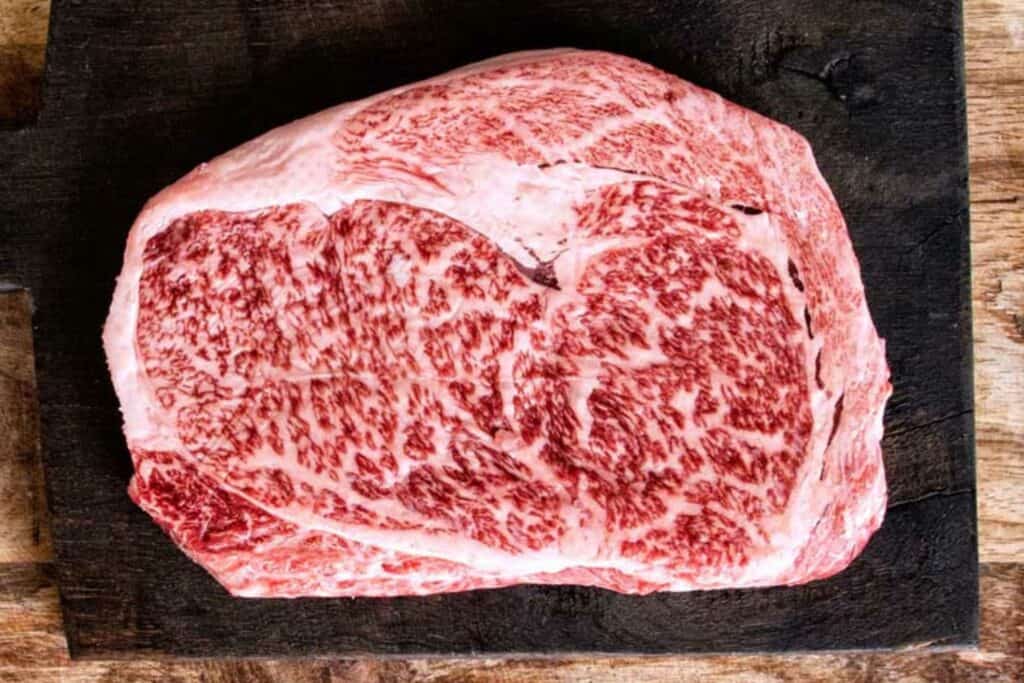
Kobe or Wagyu Beef
This is a super expensive type of beef that comes from Japanese Wagyu cattle breeds raised right there in Japan. These cows only get to drink pure water and are fed grains like rice, straw, corn, barley, and other grains. It's famous for its intense marbling, giving it a refined taste, amazing texture, and incredible tenderness.
Other popular ingredients you'll find are: yuzu, shiitake, edamame beans, sesame seeds (white and black), bamboo shoots, pickled vegetables, and ginger.
Peppers aren't as prominent in traditional Japanese cuisine as they are in some other Asian kitchens. Mildly spicy peppers and herbs are used to subtly enrich dishes with flavor, depth, and a touch of heat.
The most famous fresh Japanese pepper is the Shishito. This mildly spicy, green pepper has a firm and savory flavor. In Japanese, the name Shishito refers to 'lion's head,' which the bottom of the pepper resembles. In terms of culinary use, it's similar to Pimientos de Padron, but often paired with typical Japanese dishes. They're traditionally roasted in a pan with a bit of sesame oil and soy sauce. They're also delicious with teppanyaki, on a skewer with yakitori, or battered and deep-fried as tempura.
Shichimi togarashi is a spicy seasoning blend widely used to flavor dishes and add a touch of heat. It's often sprinkled over ramen, noodles, and grilled dishes. It consists of seven spices: Szechuan pepper, red chili pepper, sesame seeds (white and black), ginger, roasted orange peel, nori, and hemp seeds.
In modern Japanese cooking or fusion dishes, peppers are playing a bigger role! For example, they're used to whip up spicier curries, sauces, or marinades.

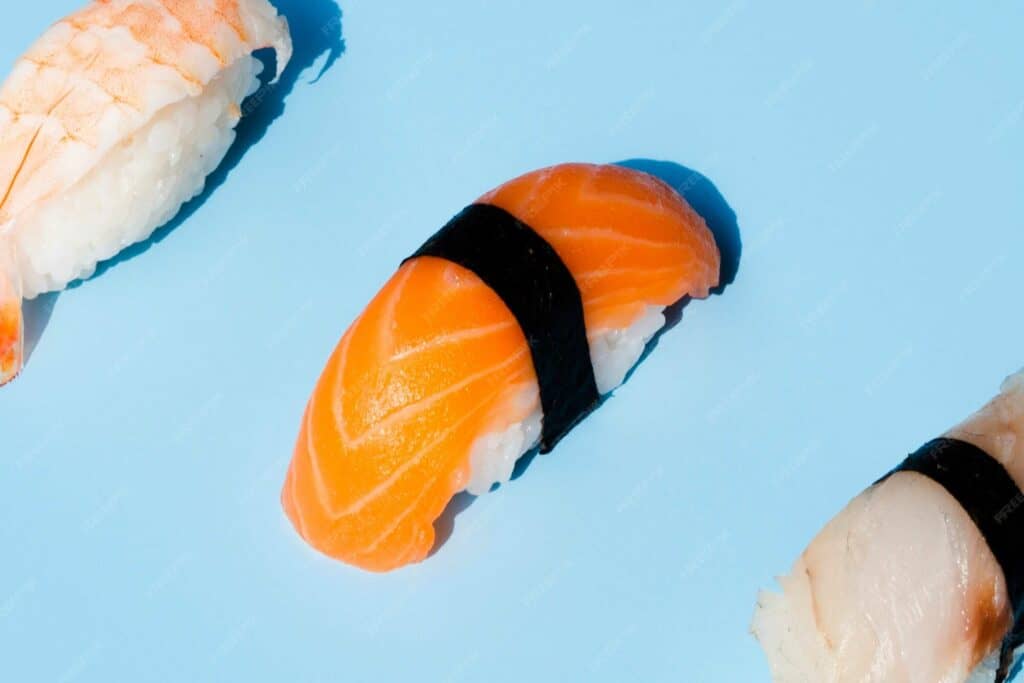
Sushi actually has a super rich history, going back over a thousand years in Japan! But the sushi we know today didn't actually start out as the familiar fish-on-rice combo.
Back in the 8th century, narezushi came about, which was an early kind of sushi. It was a preservation method where fish was fermented by mixing it with rice and salt. This process helped keep the fish fresh and ferment it, making it last longer. After some time fermenting, the rice was tossed, and the fermented fish was eaten.
By the 17th century, the technique had evolved into sushi, where fish was served on top of pickled rice. The fish was often eaten raw, but sometimes it was lightly pickled or fermented to boost the flavor.
The modern form of sushi, like nigiri sushi (fish on a ball of rice) and maki sushi (rolls), originated in 19th-century Tokyo. A chef named Hanaya Yohei is often credited with inventing nigiri sushi as we know it today. He started serving fresh fish directly on top of a ball of vinegar-seasoned rice, which really brought out the flavors and textures.
From that moment on, sushi spread worldwide and adapted to different tastes and ingredients, making it one of the most beloved and recognizable dishes from Japanese cuisine. It comes in various forms and styles, each with unique flavors and presentations. The most well-known types are:
– Nigiri: This is one of the most recognizable forms of sushi. It's a hand-formed ball of rice topped with a slice of fresh raw fish, like salmon, tuna, or shrimp, often with a touch of wasabi in between.
– Maki: These are sushi rolls, where rice, fish, and other ingredients are wrapped in nori (dried seaweed) and pressed into rolls. There are different types here too: Futomaki has multiple fillings, Hosomaki has just one filling, Gunkan maki is boat-shaped and often filled with salmon roe, crab, capelin roe, or seaweed.
– Uramaki: Just like maki, this is a rolled sushi. But while maki has the seaweed on the outside, uramaki has the rice on the outside. That's why it's also called 'inside-out' sushi.
– Temaki: These are hand-rolled sushi, also known as 'sushi cones'. They're cone-shaped nori sheets filled with rice, fish, vegetables, and other flavorings, similar to maki, but hand-rolled and often larger.
– Chirashi: Literally translated as 'scattered sushi'. This is a bowl of sushi rice topped with various kinds of fresh fish, sashimi, vegetables, and egg, often artfully arranged.

Ramen
A noodle soup that, just like sushi, is known and loved worldwide. The soup consists of noodles served in a rich broth with various toppings. Typical Japanese toppings include roasted pork (chashu), boiled egg, nori, bamboo shoots, and spring onion. Thanks to the flavors and textures of the broth, noodles, and toppings, the result is a tasty and filling dish. Variations differ by region, making each bowl of ramen unique, and offering endless combinations of different broths and toppings.
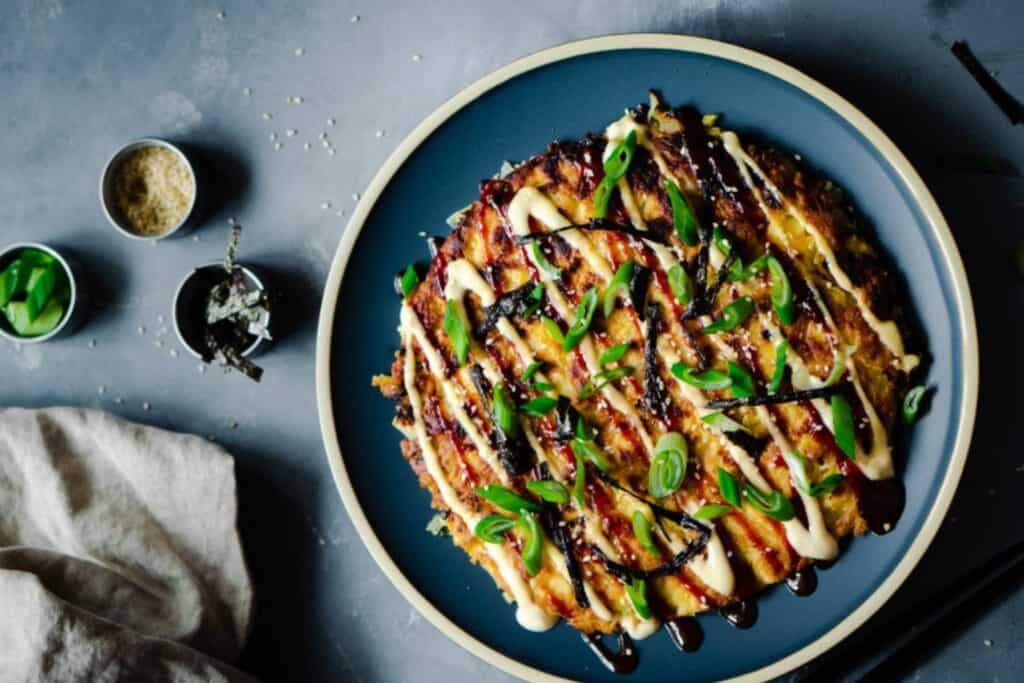
Okonomiyaki
A savory Japanese pancake, often compared to a loaded pizza. It's made from a batter of flour, egg, and cabbage with various additions like meat, seafood, vegetables, and bonito flakes, and it's topped with a special okonomiyaki sauce and mayonnaise.
Chawanmushi
A savory, soft, steamed egg custard often filled with pieces of chicken, shrimp, vegetables, or fish. It has a refined flavor and texture and is served in a small bowl.
Kare
Kare is the Japanese word for curry. Japanese curry is mildly spicy, slightly sweet, and soft in flavor.
Gyoza
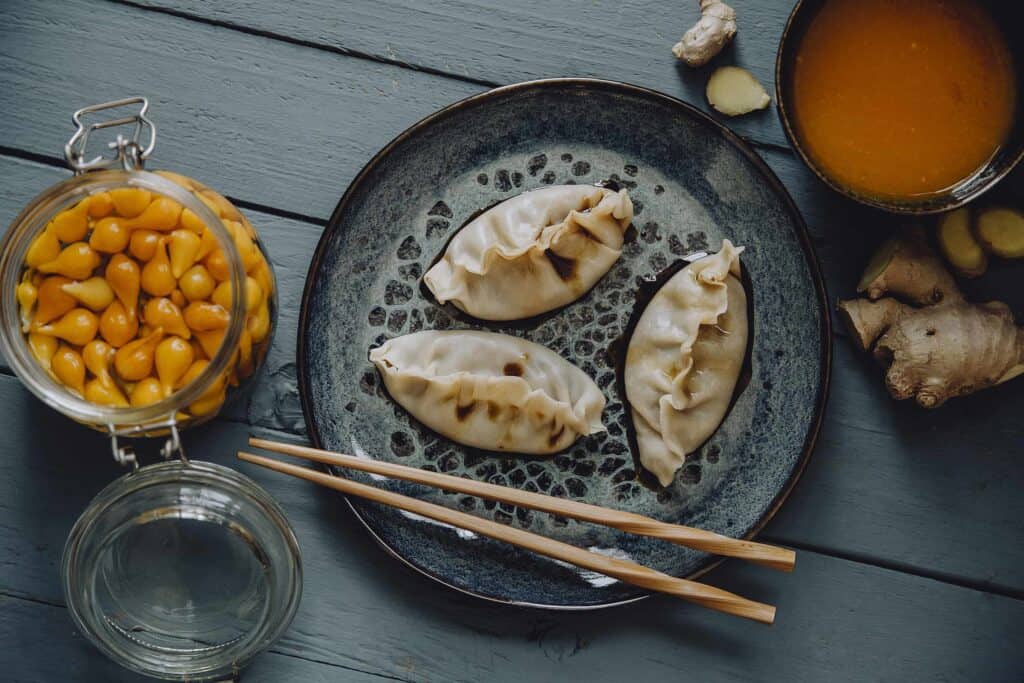
A Japanese dumpling filled with (pork) mince, vegetables like cabbage, chives, shiitake, and herbs. The filling is then wrapped in a thin dough wrapper, pan-fried, and steamed.
Yakitori
These are grilled chicken skewers. In Japan, yakitori can include different parts of the chicken, like liver, heart, skin, and sometimes vegetables are added to the skewers, then grilled over charcoal and often seasoned with tare sauce. This is a classic Japanese sauce made from soy sauce, sake, and sugar.
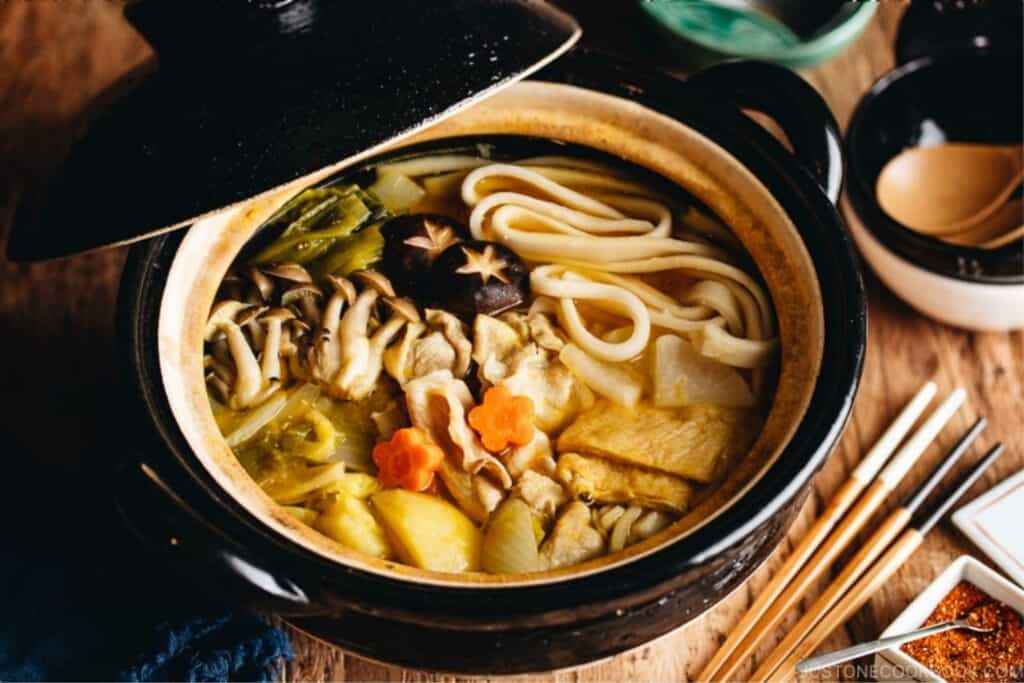
Hōtō
A type of noodle soup popular in the Yamanashi region. It features wide, flat noodles cooked in a hearty miso or vegetable broth with various vegetables and sometimes meat.
Kitsune Udon
A bowl of udon noodles in a light dashi broth, topped with fried tofu, which is often known for its sweet taste. This dish offers an interesting mix of flavors and textures.
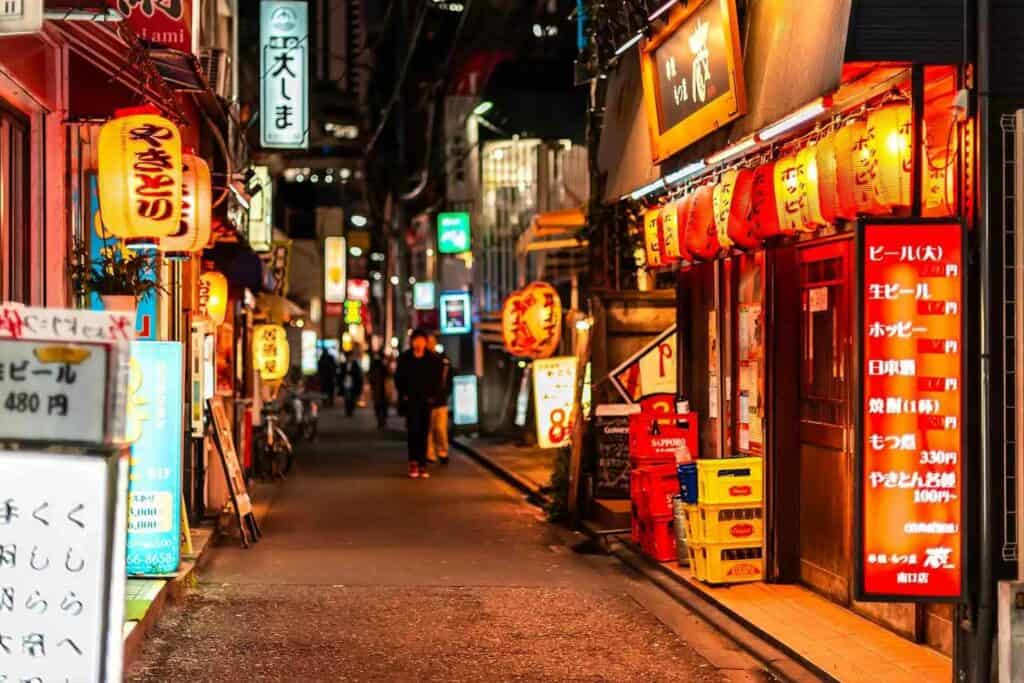
Japan's capital, Tokyo, is one of the best food cities in the world, with restaurants on every corner. It has its own authentic style of sushi, called Edomae sushi. 'Edomae' is Japanese for 'in front of Tokyo,' meaning the sushi is made with fish from Tokyo Bay. The focus is on daily fresh, high-quality fish and seafood. Edomae sushi is served as nigiri sushi, made with a specific rice called 'shari'. The rice is mixed with vinegar, sugar, and salt, then hand-formed into elongated rolls. The fresh fish and seafood go right on top of the rice ball, giving it a minimalist look. You'll often find unique fish types and specialties here that you can't get anywhere else, like sea urchin.
Monjayaki, a local Tokyo specialty, is a type of savory pancake with a liquid consistency. It's prepared with various ingredients like vegetables, seafood, meat, and batter, then mixed and cooked on a hot griddle until it gets a creamy texture.
Tsukemen is a ramen variation that's popular in Tokyo. It features thick noodles served with a separate bowl of hot soup or broth. You dip the noodles into the soup before eating them, making every bite super flavorful.
Another well-known dish is the Katsu Sandwich. This is a delicious sandwich made with a deep-fried pork cutlet (tonkatsu), often with fresh cabbage and a sauce. It's a popular snack you can find at many stalls and restaurants in Tokyo.
In Tokyo, you'll also find many Tendon restaurants. This is a bowl with tempura – deep-fried vegetables, seafood, or meat – served on a bed of rice with a special sweet and sour tempura sauce drizzled over it.


Tosao van Coevorden
Tim Anderson

Katinka Lansink
– About Peruvian-Japanese fusion cuisine
Tim Anderson
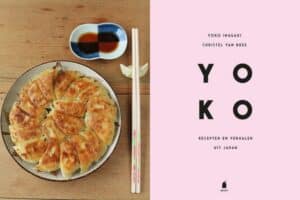
Christel van Bree
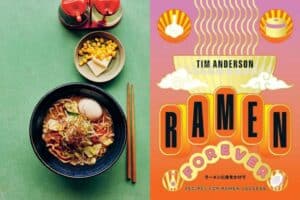
Tim Anderson
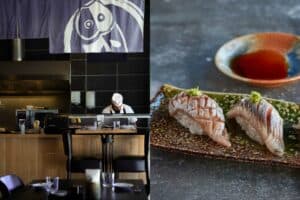
IJmuiden
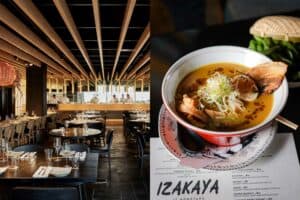
Amsterdam, Ibiza, Munich

Groningen
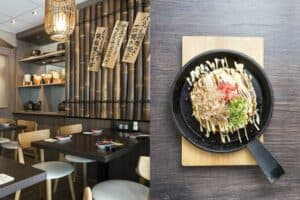
Düsseldorf
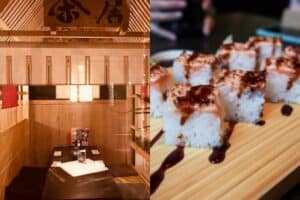
Arnhem, Den Haag, Rotterdam
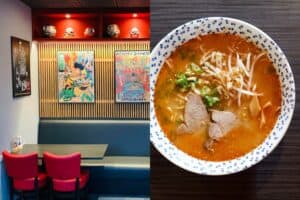
Rotterdam
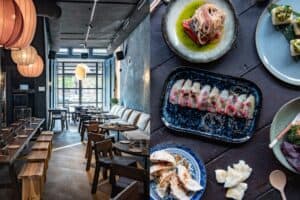
Amsterdam, Den Haag
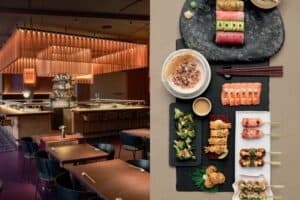
Berlin, Copenhagen & London
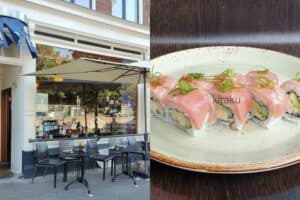
The Hague
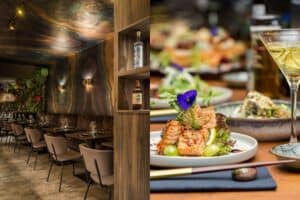
Rotterdam, The Hague
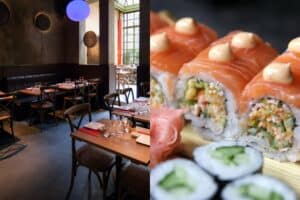
Antwerp
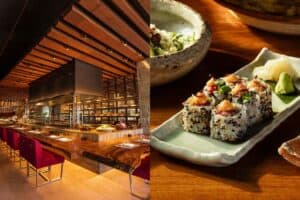
London, Madrid, Rome, and many other spots around the world.

Ep 2: Osaka, Japan
Netflix

S1 Ep 6: Sushi
Netflix

Ep 1: Tokyo, Japan
Netflix
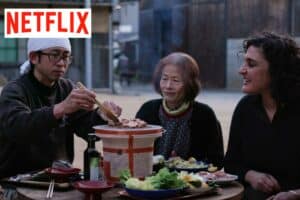
Ep 2: Salt
Netflix

S7 Ep 3: Kyoto
Netflix

S1 Ep 1: Pizza
Netflix

Netflix

S1: Niki Nakayama
S3: Ivan Orkin
Netflix
| Monday | 8:00 AM - 5:00 PM |
|---|---|
| Tuesday | 8:00 AM - 5:00 PM |
| Wednesday | 8:00 AM - 5:00 PM |
| Thursday | 8:00 AM - 5:00 PM |
| Friday | 8:00 AM - 5:00 PM |
| Saturday | from 8:00 to 12:00 |
| Sunday | Closed |
Burg. Crezeelaan 44A
2678 KZ De Lier
© Westlandpeppers | Webshop by Buro Staal
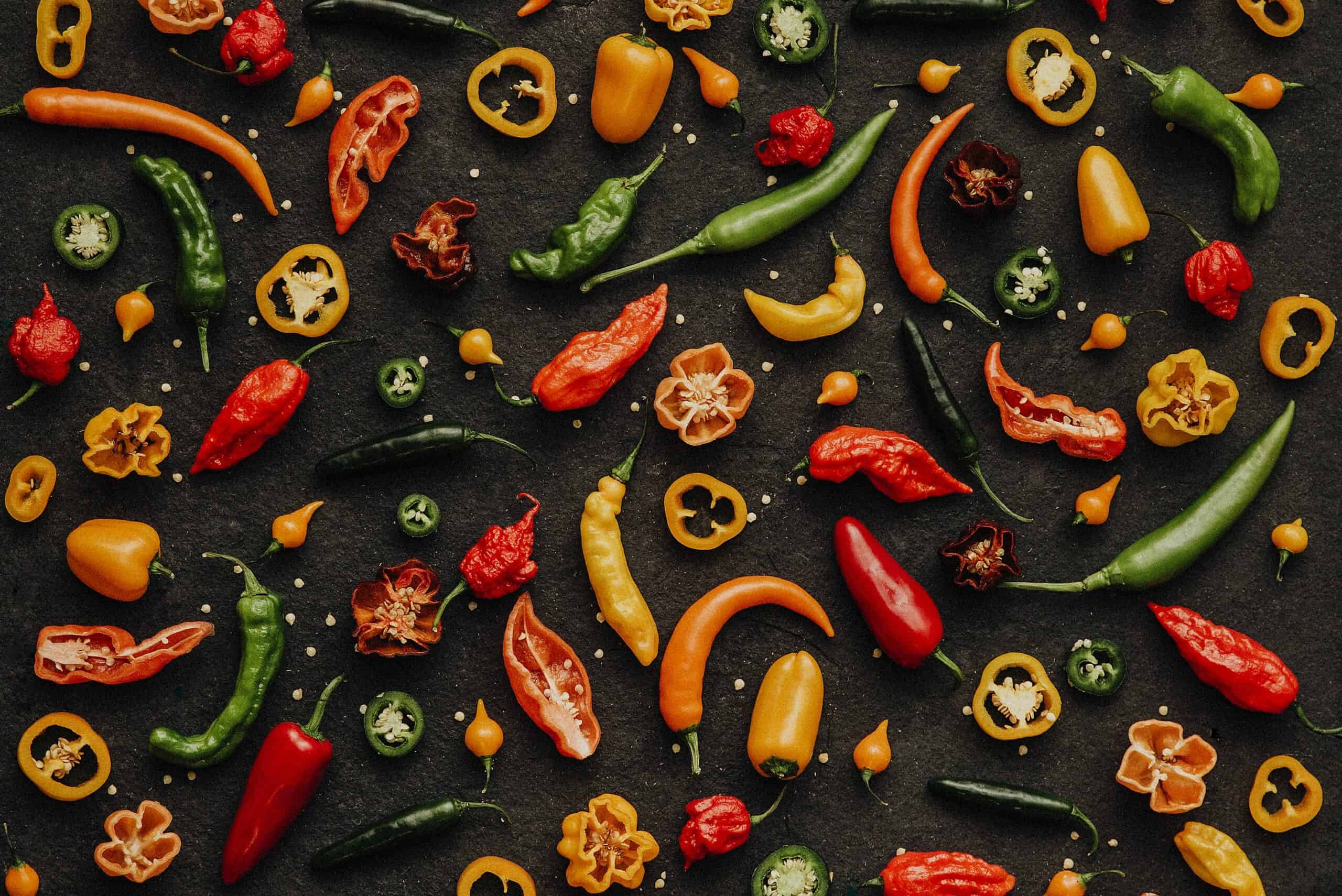
Our webshop will be closed this coming Friday. Orders placed after 9:30 AM on Thursday, July 31st, will be processed and shipped again on Monday. Thanks for your understanding!